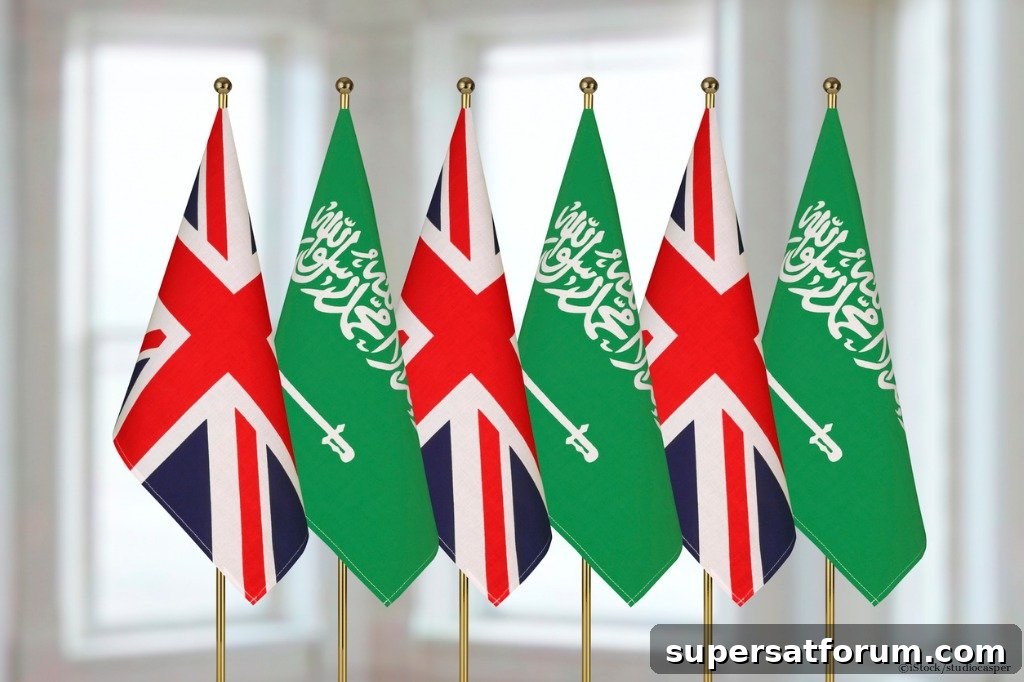
The UK government has approved the sale of telecommunications surveillance equipment to Saudi Arabia despite concerns surrounding the kingdom’s human rights record and the high-profile murder of journalist Jamal Khashoggi.
In addition to continuing arms exports to a country widely criticised for its rights abuses, British ministers signed off on five licences for telecommunications interception technology destined for Saudi Arabia.
Political news site PoliticsHome revealed these transactions following Freedom of Information requests. According to reporting, three of the deals, together worth £2.4 million, were authorised by the Department for International Trade (DIT), the department currently overseen by former Defence Secretary Liam Fox.
The DIT responded to questions by emphasising that human rights considerations are integral to its export licensing process. A departmental spokesperson said the government assesses each export licence application against the Consolidated EU and National Arms Export Licensing Criteria, using up-to-date information that includes NGO reports and input from the UK’s overseas networks.
Nonetheless, Saudi Arabia remains one of the UK’s major export destinations for military and defence-related goods, including weapons and fighter aircraft. These agreements routinely attract scrutiny from rights groups and some parliamentarians, who argue that selling sensitive surveillance capabilities risks enabling repression.
The international outcry that followed the killing of journalist Jamal Khashoggi inside the Saudi consulate in Istanbul heightened those concerns. While investigations and diplomatic fallout have variously implicated senior Saudi figures, critics warn that any export of equipment capable of monitoring or intercepting communications demands particularly strict oversight because it could be used to target dissidents, journalists, and political opponents.
Proponents of the exports argue that licensing processes are governed by established criteria intended to prevent transfers that would contribute to human rights violations. They note that each application is considered on its merits and that the government says risks are evaluated carefully.
Opponents counter that the record of rights abuses and the severity of cases such as Khashoggi’s murder mean that even technology framed as legitimate intelligence or counterterrorism tools can be repurposed to silence critics. They call for greater transparency in licensing decisions, tougher export controls for surveillance technologies, and parliamentary oversight to ensure that commercial relationships do not undermine human rights commitments.
The wider debate reflects a tension in foreign policy and trade: governments face pressure to protect national industries and jobs through export sales while also needing to uphold international human rights standards and avoid complicity in abuses. How the UK balances those priorities—particularly with states that remain strategic partners—continues to provoke discussion among policymakers, campaigners, and the public.
The controversy around these recent licences highlights broader questions about the ethical implications of selling dual-use and surveillance technologies. Even when licences are granted under existing criteria and with stated safeguards, civil society organisations argue for independent review mechanisms, greater disclosure of what is being exported, and stricter rules to prevent misuse.
As scrutiny persists, the UK government faces renewed calls to justify its decisions in each case and to demonstrate robust, transparent safeguards that prevent exported equipment from facilitating human rights abuses overseas.