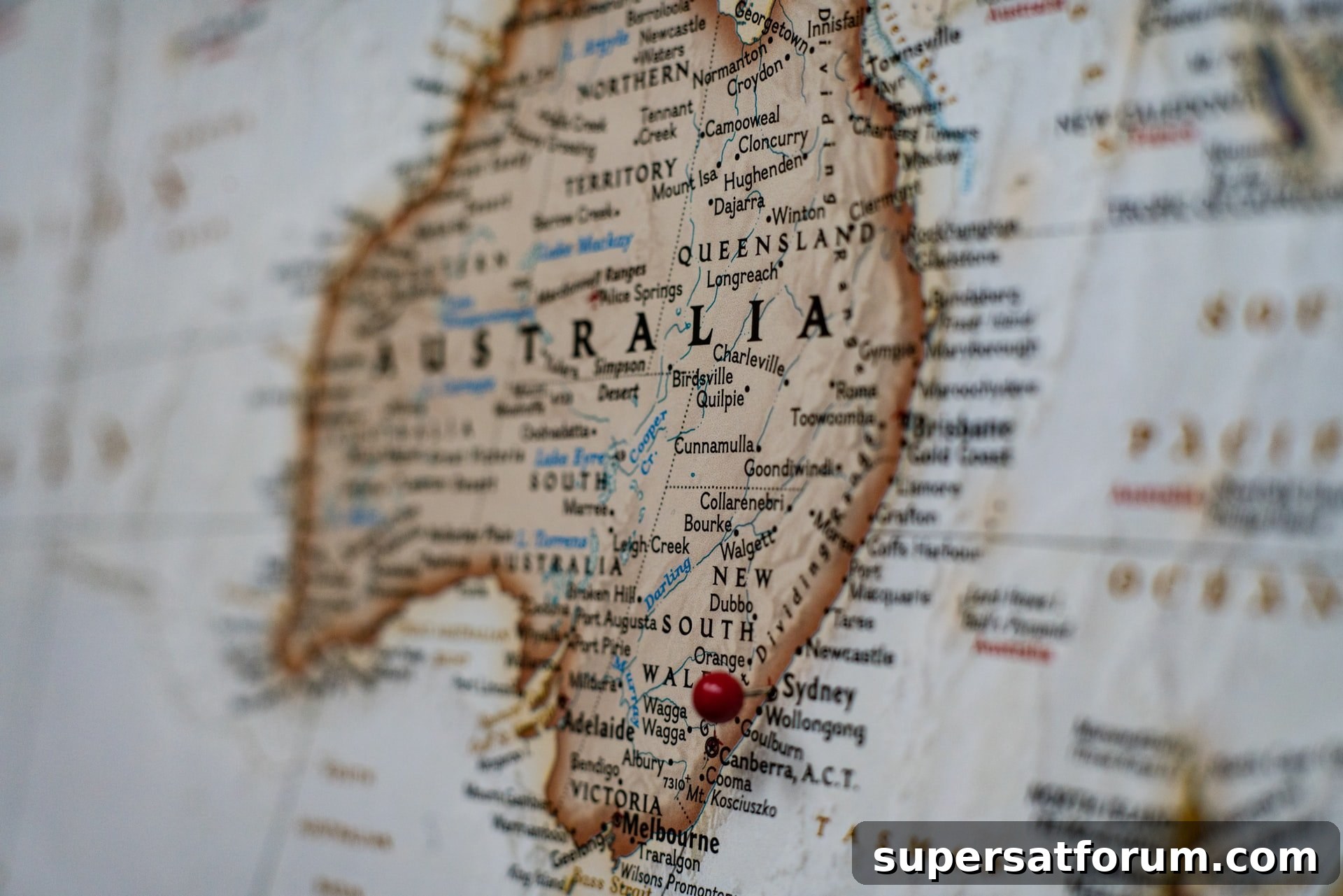
Former Australian officials say a state-linked cyber attack targeted the country, reportedly in retaliation for Australia’s decision to ban Huawei telecommunications equipment.
Australian Prime Minister Scott Morrison announced recently that a suspected state-sponsored cyber intrusion targeted government networks and critical infrastructure.
“We know it is a sophisticated state-based cyber actor because of the scale and nature of the targeting,” Morrison said at a press briefing.
Morrison stopped short of directly naming China—Australia’s largest trading partner—as the perpetrator, but former officials have been more explicit in their accusations.
Speaking to ABC, two ex-officials attributed the attack to Beijing, saying it was likely a response to Australia’s 2018 decision to ban Huawei’s equipment on national security grounds.
“This appears to be a concerted campaign against the Australian economy and political systems, aimed at gathering strategic information and inflicting economic damage,” one former official said.
Investigators say the attackers may have ties to China’s Ministry of State Security (MSS).
“Based on the evidence, I’d say it strongly leans towards MSS,” said cybersecurity researcher Robert Potter, who has extensive experience analyzing MSS-linked activity worldwide.
Australia banned Huawei’s equipment in 2018 after pressure from allied governments. Tensions between Canberra and Beijing have since escalated: China imposed an 80 percent tariff on Australian barley, restricted imports of beef from several major abattoirs, and advised Chinese students and tourists to avoid travel to Australia amid disputes that followed Australia’s public calls for an independent inquiry into the origins of COVID-19.
Positions of the “Five Eyes”
The United States has urged its “Five Eyes” intelligence partners—the UK, Canada, New Zealand, and Australia—to exclude Huawei equipment from national networks, arguing that allowing hardware from firms with strong ties to hostile states could compromise the intelligence-sharing alliance.
New Zealand moved to restrict Huawei equipment soon after Australia did. Canada is conducting a security review to determine its stance; relations between Ottawa and Beijing worsened after Canada detained Huawei CFO Meng Wanzhou on fraud-related charges, which was followed by the arrest of two Canadian citizens in China on alleged espionage charges.
After a multi-year review, the UK adopted a compromise earlier this year, permitting Huawei equipment in limited, non-core roles. The policy limits Huawei’s share of an operator’s Radio Access Network to 30 percent and bars the company from supplying sensitive sites such as military, government, and nuclear facilities.
That decision provoked criticism from allies, members of Parliament, and civil society groups. Reports suggest Prime Minister Boris Johnson has instructed ministers to draw up plans to remove Huawei equipment from the UK’s 5G networks entirely by 2023.
Because Huawei’s legal and commercial position remains uncertain in several Western countries, many network operators are exploring alternative vendors. All three of Canada’s major carriers have opted not to deploy Huawei equipment.
Several UK operators have made similar choices, though they have publicly debated a blanket ban versus more limited restrictions.
Operators and industry groups have warned that excluding Huawei could carry costs: Vodafone cautioned that a full ban could set back the UK’s 5G progress, while BT—owner of mobile operator EE—has estimated that complying with the UK’s restrictions could cost around £500 million.
(Photo by Joey Csunyo on Unsplash)
Interested in industry events where leaders discuss these topics? Conferences such as 5G Expo, IoT Tech Expo, Blockchain Expo, AI & Big Data Expo, and Cyber Security & Cloud Expo host speakers and sessions covering cybersecurity, telecom policy, and emerging technologies, with events held in cities including Silicon Valley, London, and Amsterdam.