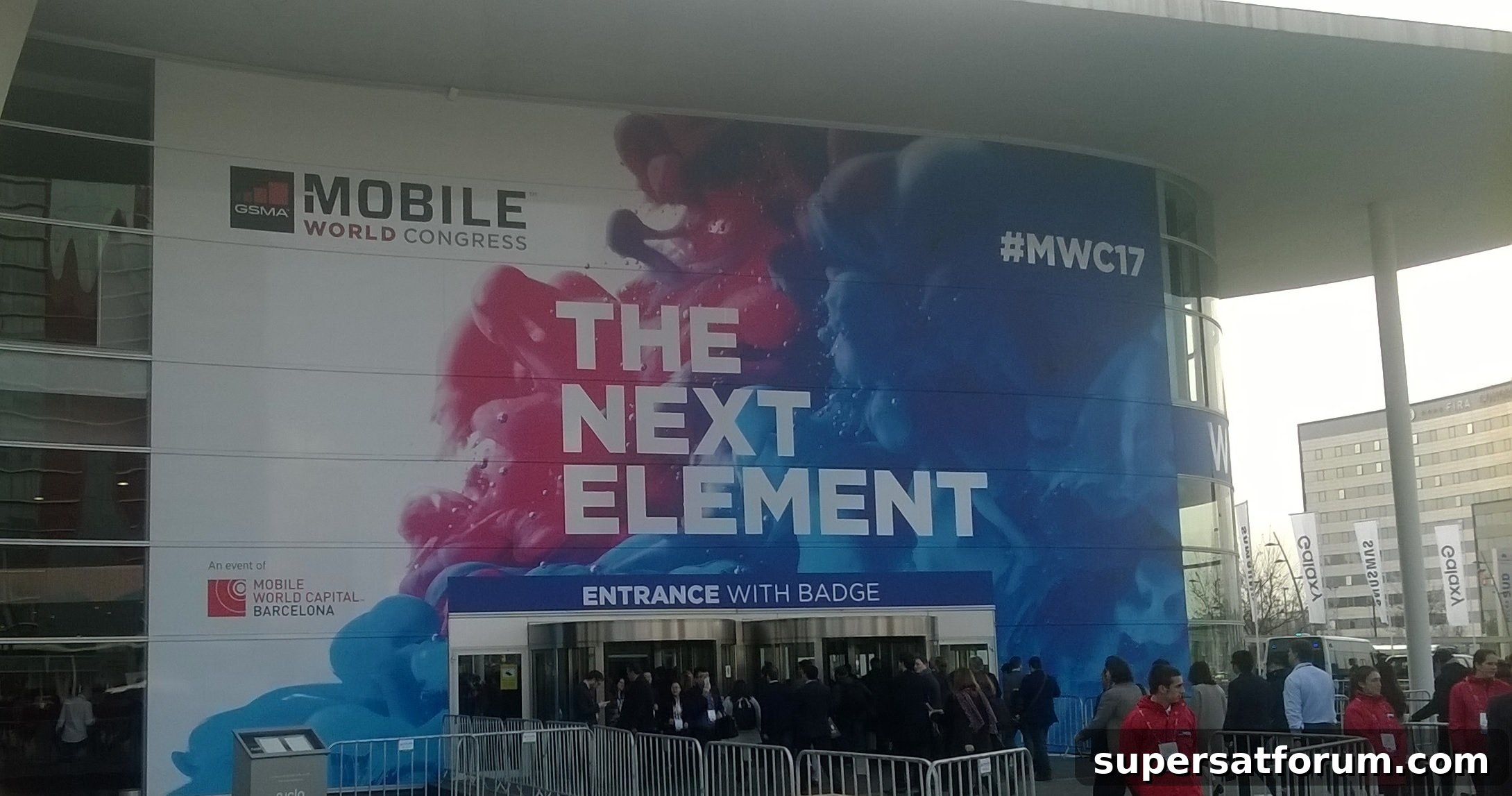
The Mobile World Congress in Barcelona remains one of the year’s most anticipated events, and this edition set new records: 108,000 attendees from 208 countries and around 3,000 exhibitors across the vast Fira Gran Via exhibition centre. The scale and diversity of the show made it a compelling showcase for the latest mobile and IoT developments.
IoT continued to be a central theme throughout the congress, with countless discussions focused on connectivity options and deployment models. While major manufacturers such as Samsung and LG captured attention with impressive new smartphones and features, two notable product comebacks generated particular buzz for their blend of nostalgia and practicality.
Nokia revived the classic Nokia 3310 with a modern makeover. The refreshed handset emphasizes core phone functions—calls and texts—while retaining the beloved Snake game, a clever nod to brand heritage that resonated with attendees. BlackBerry also made a strong impression with the launch of the KEYone. Combining a physical QWERTY keyboard with Android software, the KEYone caters to users who value tactile typing and security features, offering a compelling alternative for customers seeking choice and familiarity in a mobile market dominated by touchscreen devices.
From an IoT perspective, the show highlighted a wide range of opportunities for partners across the UK and Europe. Three technology trends stood out for their potential to shape the market:
- Narrowband IoT (NB-IoT): NB-IoT promises to accelerate IoT adoption by enabling low-power, wide-area connectivity suited to large-scale sensor deployments. Combined with falling sensor costs, NB-IoT is positioned to drive substantial market growth. Major network operators showcased their NB-IoT capabilities, and many ecosystem partners are preparing to capitalise on the new services and use cases this technology makes viable.
- eSIM: The embedded SIM (eSIM) specification, formalised by the GSMA, was visible in several vendor offerings. eSIMs enable device profiles to be provisioned remotely, allowing resellers and end users to switch providers without changing a physical SIM card. This capability simplifies migration and management, particularly for large M2M and fleet deployments, and is likely to deliver strong operational benefits once widely adopted on UK networks.
- Low-Power Wide-Area Networks and Cellular Alternatives: Debate continues between cellular-based IoT (NB-IoT and LTE-M) and unlicensed LPWAN technologies such as Sigfox and LoRa. Operators are advancing NB-IoT and LTE-M across their networks, while independent providers and some solution designers prefer Sigfox or LoRa for their simplicity and cost characteristics. Rather than a single winner, the market will likely support parallel streams; the optimal choice depends on customer requirements, coverage, battery life, latency and total cost of ownership. Evaluating both approaches across an ecosystem ensures the best outcome for each solution.
Many mobile network operators—including Vodafone, Deutsche Telekom and Telefónica—used their exhibition stands to demonstrate NB-IoT and LTE-M devices and services, offering attendees a chance to compare live implementations and weigh their respective advantages. These live demos helped clarify real-world trade-offs when selecting a connectivity strategy for IoT projects.
One memorable highlight was the Cisco Jasper stand. Cisco Jasper consistently presents impactful use cases, and their presence showcased connected scooters, smart vending machines and plans for city-wide smart infrastructure rollouts. Discussions with Cisco Jasper and their customers underscored the practical, commercial applications that are driving IoT deployments today.
Overall, the Mobile World Congress delivered a valuable mix of cutting-edge vendors, practical demonstrations and networking opportunities. Beyond the technology, the event provides an energetic environment—both on the show floor and in the city—that makes attendance worthwhile for anyone involved in mobile or IoT. Thanks to the GSMA team and organisers for putting together a well-run, engaging event.
Picture credit: TelecomsTech