Ericsson, FET (Far EasTone), and OPPO have confirmed that 5G standalone (5G SA) network slicing can now support performance-based connectivity models.
Mobile operators continue to face pressure to monetise their 5G infrastructure beyond basic connectivity fees. While broad coverage is largely in place, premium service tiers that guarantee specific performance levels remain uncommon.
Most consumer mobile services today operate on a best-effort basis. Periods of heavy traffic often cause congestion and degraded user experiences, making it difficult for operators to guarantee throughput for business-critical or latency-sensitive applications.
Ericsson ConsumerLab research indicates that about 40 percent of consumers experience moments when guaranteed performance would be attractive, and roughly half of those users would be willing to pay for it. The key challenge has been delivering performance guarantees dynamically and without manual intervention.
Testing 5G slicing in high-density environments
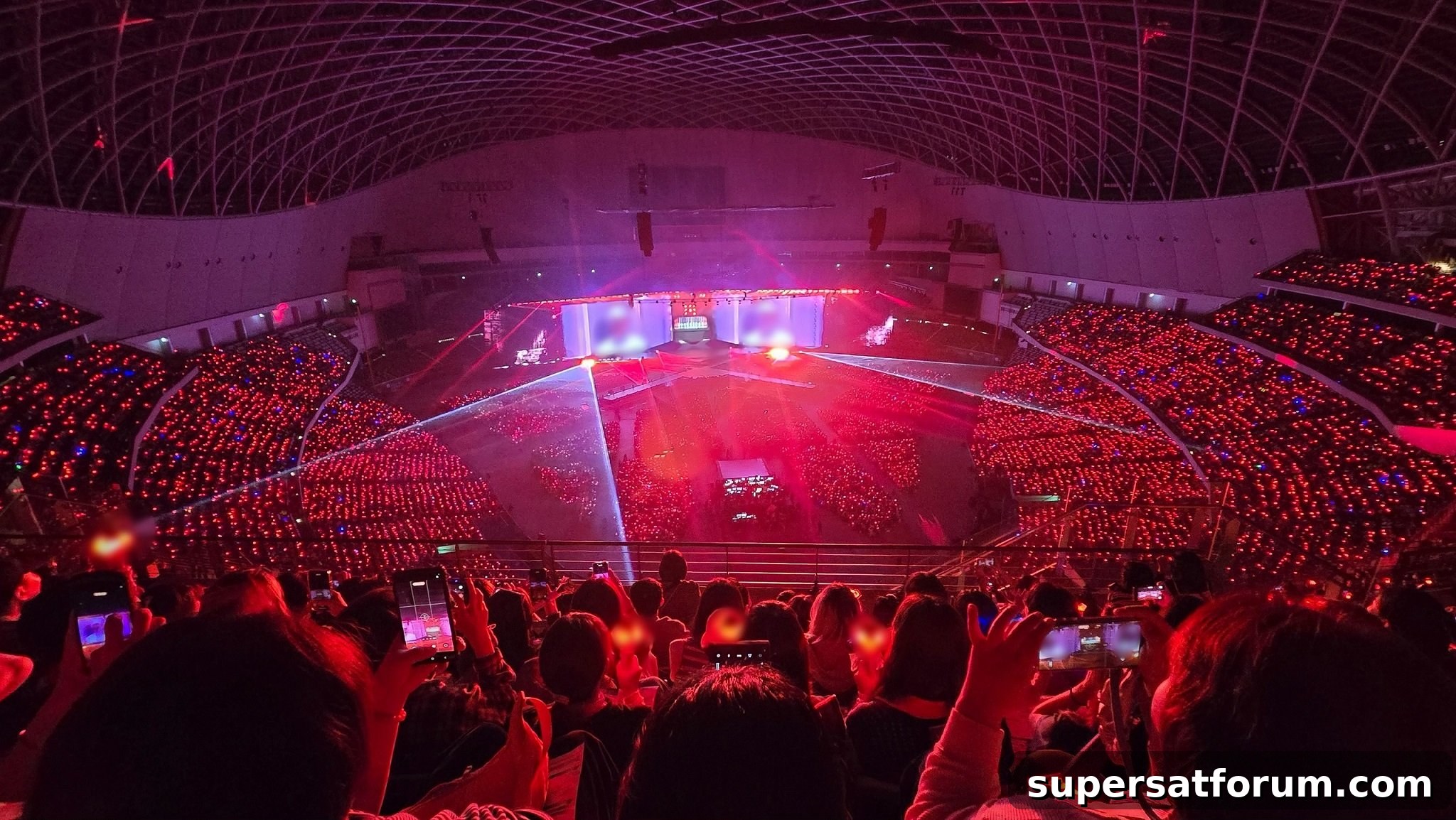
The validation took place on Far EasTone’s live 5G SA network during a concert at the Taipei Dome. The event, attended by approximately 40,000 people, created an ideal high-density environment to stress-test differentiated connectivity. The trial integrated the network core with OPPO handsets running on-device AI designed to monitor application performance.
In this setup, the device AI continuously detects in-app experience degradation in real time. When it identifies performance issues, the handset activates a User Equipment Route Selection Policy (URSP) to request application-specific slicing.
A layered API architecture then adjusts radio resource policies to move the user from a congested standard slice to a performance-guaranteed 5G network slice. During the trial, this mechanism helped users maintain stable connections for live streaming and other latency-sensitive interactions despite the heavy network load.
Chee Ching, President of Far EasTone, said: “Far EasTone and Ericsson have been long-standing partners, working closely to continuously enhance the network experience for our users.
“We are pleased to collaborate with OPPO to validate an innovative differentiated connectivity service in a large-scale concert environment by enabling customised 5G connectivity with lower latency and higher efficiency.”
Device-side intelligence and API integration
Embedding AI on the device changes how Quality of Service (QoS) is managed. Instead of relying solely on the network’s packet-level metrics, the handset reports real application performance, enabling more accurate, application-aware decisions.
Vincent Liu, CEO of OPPO Taiwan AED, commented: “AI enables real-time, on-demand in-app performance enhancements to deliver a better user experience when it matters most.”
This architecture relies on standardised APIs that allow devices and applications to request specific network resources. Operators can use these APIs to monetise distinct performance tiers based on guaranteed metrics such as latency, throughput, or stability.
David Chou, President of Ericsson Taiwan, added: “5G Standalone provides the foundation for differentiated connectivity at scale, enabling guaranteed performance through network slicing and standardised APIs.”
Commercial models for enterprise connectivity
IT decision-makers may soon purchase mobile connectivity in new ways. Programmable networks make it possible to define application-specific metrics tailored to distinct usage patterns, from latency-sensitive gaming to real-time data exchange at large events.
The 5G network slicing trial supports a B2B2C commercial model. In this approach, an application developer or service provider pays for upgraded connectivity and bundles that cost into the user-facing service. This model shortens time-to-market for performance-based offerings and enables communications service providers (CSPs) to monetise differentiated experiences while allowing device makers to showcase enhanced hardware capabilities.
“Looking ahead, we are focused on helping CSPs fully unlock the potential of 5G SA, transforming network performance into commercial services that can be monetised with confidence and drive sustainable long-term growth,” said David Chou.
See also: AT&T integrates AWS cloud with fiber and satellite networks
Want to learn about the IoT from industry leaders? Attend IoT Tech Expo events in Amsterdam, California, and London, run by TechEx and co-located with events such as the AI & Big Data Expo and the Cyber Security Expo.
Telecoms is powered by TechForge Media. Explore other upcoming enterprise technology events and webinars.