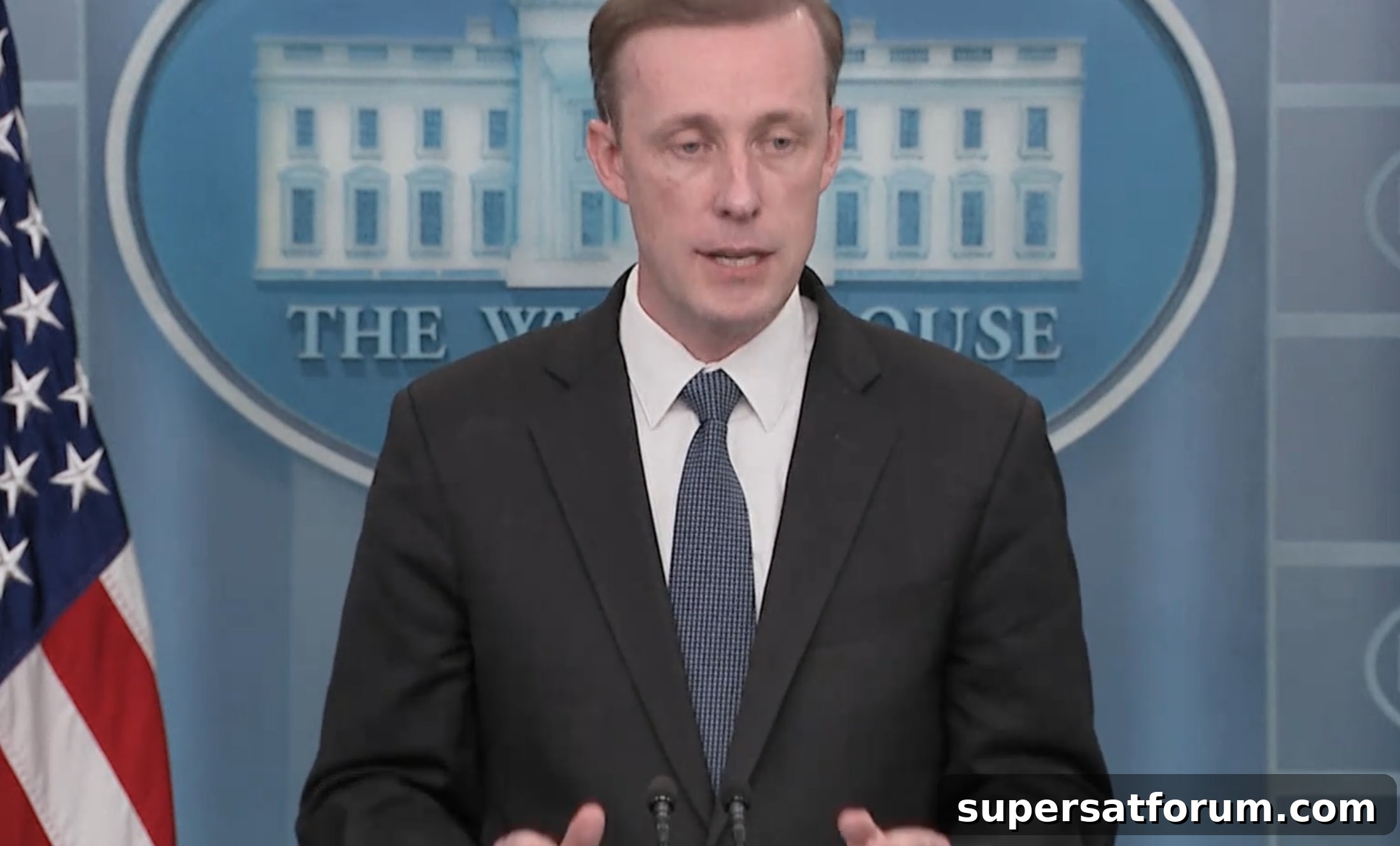
White House National Security Adviser Jake Sullivan has warned that a Russian cyberattack on a NATO ally could prompt a collective response from the alliance.
“We could see circumstances in which a collective response by the alliance to a cyberattack would be called by an ally,” Sullivan said. “That is absolutely something where we and other countries could bring capabilities to help a country defend itself and respond.”
Sullivan’s statement followed President Biden’s remark that “evolving intelligence” indicates Russia may be “exploring” retaliatory cyberattacks in response to sanctions imposed after its invasion of Ukraine.
NATO was established in 1949 to provide collective security against the former Soviet Union. As a defensive alliance, it commits only when a member’s security faces an imminent threat.
At NATO’s core is Article 5, which obliges members to respond collectively if any one member is attacked. Article 5 has been invoked only once, after the attacks of September 11, 2001.
While traditional military attacks are relatively easy to define, cyberwarfare is much more ambiguous despite its growing destructive potential. NATO leaders have emphasized that cybersecurity is a priority and that the alliance is prepared to confront modern threats.
“Cybersecurity is an alliance issue; it is an issue where collectively NATO is prepared to pull together to enhance resilience, enhance defenses, and if necessary to use the appropriate tools to respond,” Sullivan added.
A key challenge in cyber incidents is attribution — reliably determining whether a state is responsible. Misattribution or actions by a lone actor could unintentionally trigger a major escalation.
Deciding what constitutes a response-worthy cyberattack is another complexity. Intelligence-gathering intrusions, similar to traditional espionage, typically do not provoke armed retaliation. But disruptive attacks targeting transport systems, power grids, or other critical infrastructure—where casualties or significant harm are possible—raise difficult questions about proportional response.
“If you take an example of the Russians accidentally, or on purpose, knocking out public services or power for a NATO‑aligned country … if you consider the fact that cyber warfare can have detrimental effects—quite real tangible effects—then there’s no reason why it couldn’t escalate into a military response,” explained Andrew Egoroff, Senior Cybersecurity Specialist at ProcessUnity, in a recent interview.
Ukraine is not a NATO member, so the alliance has not deployed ground forces in its conflict with Russia. Still, several NATO countries share borders with Ukraine, and the possibility of spillover remains a concern.
Individual NATO members have provided Ukraine with defensive equipment and other support, which could, in turn, make those countries targets for cyberattacks.
Many analysts expected a major Russian cyberoffensive early in the conflict with Ukraine, given Russia’s extensive cyber capabilities. Yet large-scale cyberattacks of the sort predicted have not materialized to the extent feared.
One reason for the restraint may be the risk that a widespread cyberattack could unintentionally affect a neighboring NATO member and trigger a collective response, as Sullivan suggested.
A notable precedent is the 2017 NotPetya outbreak, which began by targeting Ukrainian government and financial institutions but quickly spread worldwide, causing billions of dollars in damage. In today’s tense geopolitical climate, a similar event would likely be treated with far greater urgency.
Concerns persist about Russian President Vladimir Putin’s unpredictability. International observers hope that both sides will avoid actions that could escalate into direct confrontation between Russia and NATO.
Preventing conflict now requires vigilance across multiple domains—military, diplomatic, and cyber—to reduce the chances of miscalculation and unintended escalation.
Related: ‘Protestware’ emerges amid Russia-Ukraine crisis
Interested in hearing from cybersecurity industry leaders? Consider attending Cyber Security & Cloud Expo events, which bring together experts to discuss resilience, defense strategies, and emerging threats in cybersecurity.
Explore other upcoming enterprise technology events and webinars powered by TechForge to stay informed about developments in cyber defense and related fields.