When I was a child, my parents gave me the kinds of presents most kids get: mostly toys. I was very protective of my things and rarely shared them with anyone except my sister. We’d disappear into the garden that surrounded our house and use it as a makeshift fortress, blocking anyone who tried to peek inside. Even so, my sister grew bored quickly, especially with toys that were more for boys.
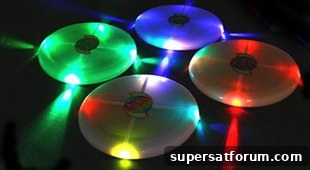
One summer I received a flying disc as an “end of school” gift — one of those saucer-like toys you throw at the beach. But mine had an exciting twist: LEDs around the rim that glowed as it flew, making it look spectacular. I thought I’d found a real treasure. Being secretive, I only played with my sister at first, but she soon left to play role-playing games with her dolls. I was left alone with an incredible new toy, and to enjoy it I needed other people.
I took the disc out of the garden and shared it with neighborhood kids. They were ecstatic; for a while I felt like a hero. Friends would beg to borrow the disc for a day so they could show it off to their own groups. Before long, almost every kid in town had one, and by the end of the summer it was the hottest game after skateboarding. I watched new ways of playing develop — creative twists I never would have imagined if I’d stayed cooped up in the garden. I’m fairly certain I was the first person to own that particular model, and it’s possible my parents’ purchase helped make it viral: the dealer had brought a dozen samples to local shops.
The lesson stuck early: a fresh idea can spread incredibly fast if you bring it to the right people — those who will try it out, adapt it, invent new uses for it and take it to the next level.
I see a similar potential with NFC (Near Field Communication). For the past seven years I’ve read countless emails and articles from tech writers calling NFC “the new kid on the block” for mobile transactions. It might be, but adoption hasn’t exploded yet — at least not in the mainstream.
What if we start at the grassroots and build upward instead of waiting for top-down pushes from financial institutions or carriers? Make NFC useful for small, everyday tasks first. Use it to interact with social media, automate simple phone behaviors, or connect devices with a tap. That kind of approach helps a technology spread and stick, particularly among younger, tech-curious users who often shape handset makers’ choices about which features to include.
Take Samsung’s TecTiles as an example: programmable stickers that trigger actions on compatible phones when they’re tapped. Stick one on your desk and it silences your phone. Put one in your car and it launches navigation. Put one near your front door and it checks you in on a location service. These are simple, tangible use cases that help people discover what NFC can do without needing a banking integration or complex infrastructure.
I’m not going to debate sticker price, brand exclusivity, or predict whether a particular product will ultimately win. Those are valid concerns, but they don’t negate the idea. The main limitation today is that unlike QR codes, which anyone can generate and print for free, programmable NFC tags aren’t yet as easy or inexpensive to create at home. That’s a solvable issue.
The real advantage of small, playful NFC experiences is that they invite exploration and experimentation. When people begin using tags for convenience and social interactions, they become familiar with the behavior and the technology. That creates an opportunity to introduce more serious applications later — payments, secure authentication, and other services that require broader trust and infrastructure. Waiting for banks or big corporations to lead the way risks delay; grassroots adoption can plant the seeds and show the value first.
In short: make NFC fun and useful for everyday tasks. Let people play with it, adapt it, and invent new uses. Once the behavior is widespread and habits form, it will be much easier to layer in the heavier, more regulated use cases that unlock NFC’s full potential.