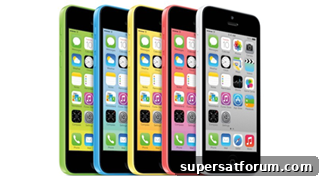
Apple has long been regarded as a premium brand. That reputation made me uneasy in the days leading up to the recent keynote amid the rumours about a lower-cost iPhone 5C.
Most observers assumed Apple would price the 5C significantly below the higher-end 5S so it could compete in the mid-range market and put an iPhone within reach of more consumers. In the short term, a well-priced mid-range iPhone could have driven strong sales.
For example, a mid-range handset like Google’s Nexus 4 sold very well at around $370 (£239), demonstrating that appealing mid-tier pricing can move large volumes. But in the longer term, introducing a markedly cheaper iPhone risks diluting Apple’s premium image — it would be like finding a designer label next to discount goods.
When Apple unveiled the 5C, they avoided releasing a truly cheap product. However, by introducing a mid-range variant at all, they may have created new problems for themselves.
First, consider the pricing. The 32GB iPhone 5C is priced at £549 ($649), while the flagship 5S starts at £629 ($749). That’s only an £80 ($100) gap for a much more advanced device. At these prices many buyers will naturally choose the superior handset.
Material choices also matter. The 5C uses polycarbonate, a solid plastic similar to the original iPhone’s shell, which is better than some of the lightweight plastics found on competing models. Still, for many consumers, plastic carries a perception disadvantage compared with metal bodies.
Francis Sideco, director for consumer electronics and communications technologies at IHS, commented: “In light of this pricing, the 5C appears to be a midrange product that cannot significantly expand the available market for the iPhone line to lower-income buyers.” He added that the 5C’s arrival “will not spur a major increase in iPhone sales in the second half of 2013 compared to previous expectations.” Consequently, IHS did not raise its forecast for total iPhone shipments.
Competition is also a factor. The aluminium HTC One, widely praised and considered by many to rival or surpass the iPhone 5S in some respects, was available around £424 ($599). With strong alternatives at competitive prices, the 5C’s target market becomes harder to define.
Perhaps Apple expected the 5C’s bold colour options to attract buyers the way Nokia’s colourful Lumia range did. Yet social response was mixed: a study from We Are Social found that 81% of online conversations about the iPhone 5C were negative, suggesting the colourful approach didn’t resonate as hoped.
The iPhone 5S, meanwhile, looks set to be another strong seller. It represents a meaningful upgrade for many users, especially owners of the older 4S, and remains the best iOS option unless someone decides to switch platforms.
By contrast, the iPhone 5C risks becoming Apple’s first model that underperforms expectations. Its pricing and positioning leave it squeezed between premium buyers who will choose the 5S and budget-conscious consumers who have attractive, lower-cost alternatives.
Ultimately, the 5C may serve niche customers who value the iOS ecosystem and prefer colourful, simpler styling. But as a device intended to broaden Apple’s reach into lower price segments, it faces substantial challenges.
What do you think about Apple’s iPhone 5C? Will it find a decent market?