Vodafone and Ericsson have collaborated to deliver the UK’s first on-demand 5G network slicing service.
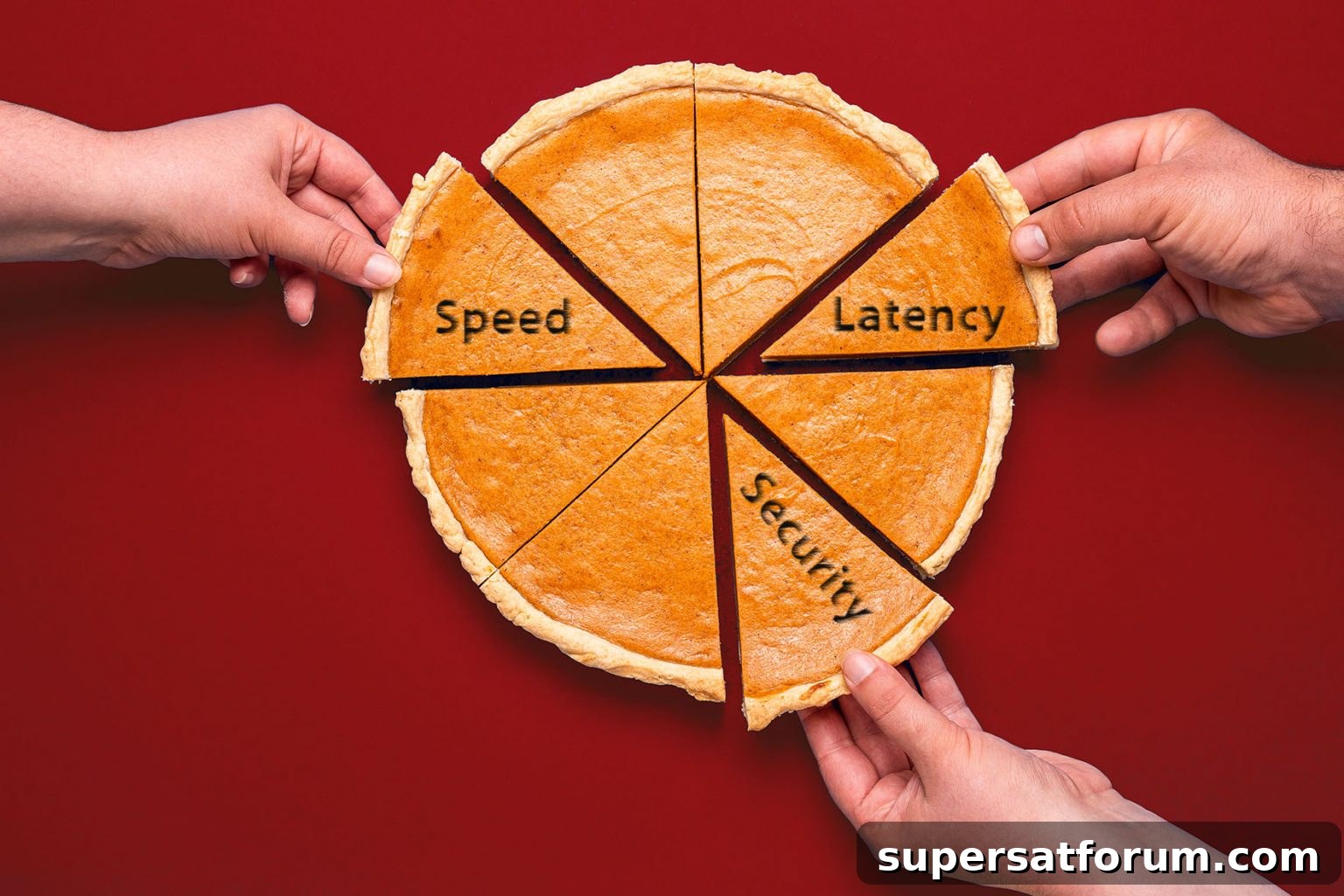
Network slicing allows multiple virtual network “slices” to run on the same physical infrastructure while remaining isolated from one another. Each slice can be tailored to meet distinct performance and security needs, ensuring a reliable, predictable experience for specific applications.
Andrea Dona, Chief Network Officer at Vodafone UK, said:
“Network slicing is an incredibly valuable step forward. By segmenting our network and customising different slices for different requirements, we can bring to life new ideas that would be impossible otherwise.
When we configure our network to empower new services, industries like gaming, entertainment, and healthcare can enter a new era. What might seem like science fiction is one step closer thanks to network slicing.”
In a lab demonstration, Vodafone and Ericsson showcased a virtual reality deployment in a retail setting using an on-demand 5G slice.
The joint engineering teams created a dedicated slice for the VR scenario that guaranteed a download speed of 260 Mbps and a latency of 12.4 milliseconds.
Andrea Spaccapietra, VP of Digital Services at Ericsson UK & Ireland, commented:
“Network slicing will play a crucial role in enabling new and innovative 5G services for consumers and enterprises.
With tools to manage network resources efficiently and deliver differentiated services with dedicated performance, operators like Vodafone can support new business models and use cases across industries and unlock fresh revenue opportunities to realise 5G’s full potential.”
The entire process—from placing the order to carrying live traffic on the slice—took just 30 minutes.
Each slice can be customised for specific needs, including guaranteed minimum speeds, maximum latency, capacity, enhanced security, and geographic scope (from a single site to nationwide coverage).
Matthew O’Neill, Head of Networks at NTT DATA UK, added:
“This trial is an important step towards broader deployment of 5G network slicing, which will transform network capabilities across the UK, support new use cases, and accelerate digital transformation in many industries.
Network slicing reduces the need to build separate private networks while enabling operators to offer highly flexible services on demand, aligned to service requirements. This improves the overall value of the network and expands revenue opportunities for carriers.
Businesses will benefit from the reliability, low latency and high bandwidth that network slicing provides, enabling premium customer experiences. While this trial focused on enhancing VR, it paves the way for many other applications.
Low latency and reliable connectivity from network slices will be essential for the Internet of Things, accelerating the development of smart cities and a more connected society.”
Performance of the private VR slice compared with the public network:
| Key Performance Metric | Virtual reality network slice (controlled environment) | Public internet |
| Download speed (Mbps) | 260 | 49.41 |
| Upload speed (Mbps) | 16.5 | 8.17 |
| Latency (milliseconds) | 12.4 | 35 |
| Jitter (milliseconds) | 1.22 | — |
Ericsson estimates that roughly 25–30% of potential 5G use cases will require network slicing to meet their performance or security needs.
(Image Credit: Vodafone)
Want to learn more about 5G and industry opportunities? Explore events like 5G Expo for presentations and discussions from leading experts. Upcoming editions of the event have been scheduled in several locations throughout the year.
Discover other upcoming enterprise technology events and webinars powered by TechForge through their events listings.