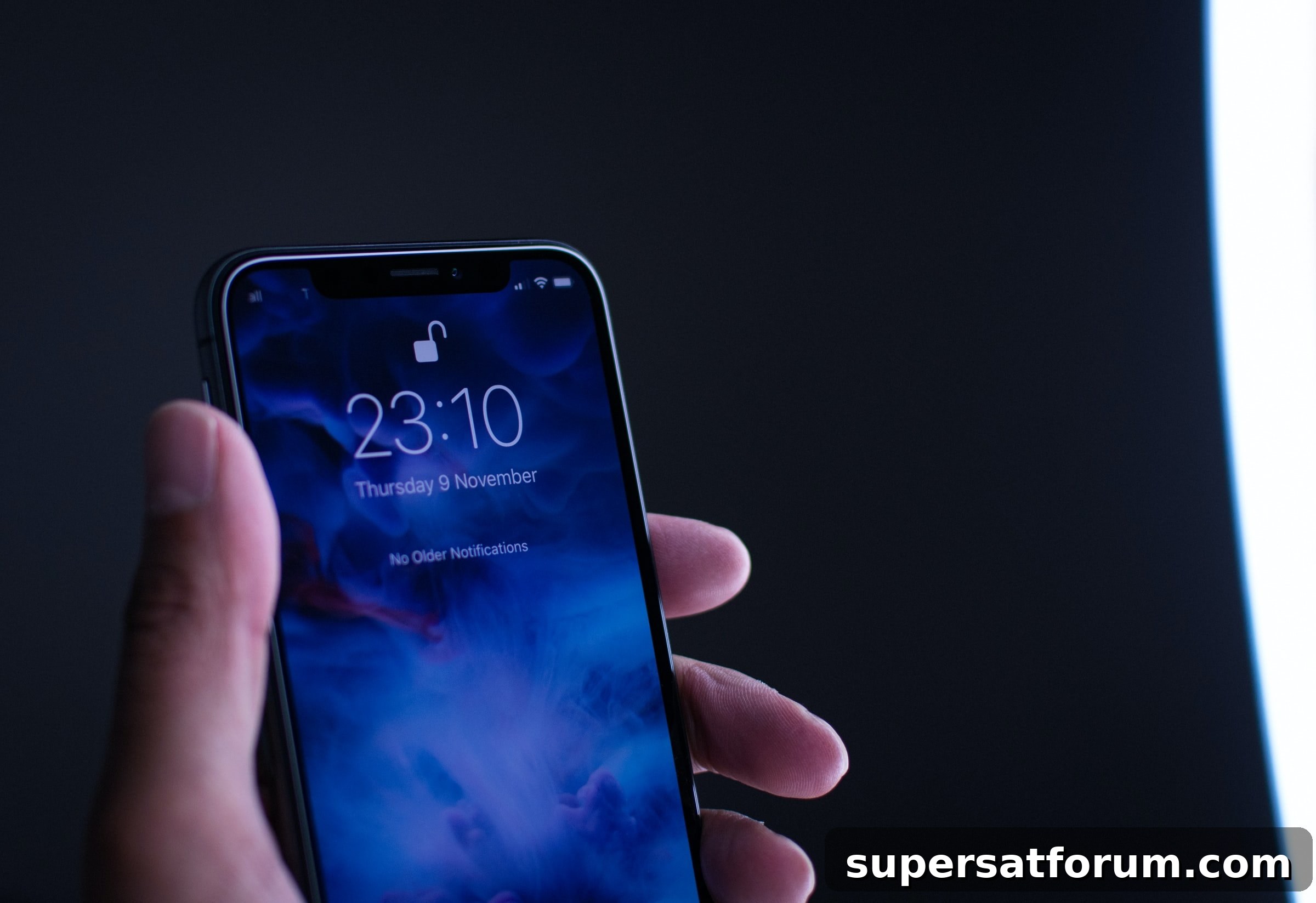
The telecoms regulator Ofcom has announced a ban on mobile operators selling network-locked phones after December 2021.
Locking handsets to specific networks often confuses consumers and creates barriers to switching providers when contracts end. Consumers can face delays, non-working unlock codes, or even loss of service if they only discover a phone is locked while trying to move to a new network.
Selina Chadha, Connectivity Director at Ofcom, said:
“We know that lots of people can be put off from switching because their handset is locked. So we’re banning mobile companies from selling locked phones, which will save people time, money and effort – and help them unlock better deals.”
Some operators have defended device locking as a measure to deter theft and fraud, but Ofcom’s new rule aims to remove an obstacle that frequently prevents customers from taking advantage of better deals and greater competition.
Several UK providers already sell unlocked phones, including:
- Three UK
- Sky Mobile
- Virgin Mobile
- O2
Operators that currently sell locked devices—such as BT/EE, Tesco Mobile, and Vodafone—will no longer be permitted to do so once Ofcom’s rules are in force. A Vodafone spokesperson said the company “stands ready to implement these changes when they come into force,” indicating it will comply but not change policy earlier than required.
Currently, unlocking a phone typically costs around £10 when customers meet the carrier’s eligibility criteria. For example, EE allows devices to be unlocked after six months for a fee of £8.99. Despite these options, Ofcom highlights that about half of consumers experience problems when attempting to unlock their handsets, which reinforces the case for banning locked sales at point of purchase.
Dion Price, CEO of Trustonic, warned of potential risks from the ban:
“Clearly this news will cause some concern for several mobile operators. While companies like O2 have not locked their phones for some time, the likes of EE will be rightly concerned about the potential jump in multiple types of fraud and theft. Each year, the larger UK mobile operators spend around €1bn buying phones. This is clearly a significant investment and even modest increases in overall theft and fraud will drive millions in additional losses.
Unfortunately, 400,000 phones are reported stolen each year in the UK; and if you were to consider the amount of phone thefts that are not reported, this number is likely to be 2-3 times higher.
The news is a true double-edged sword; on one hand, the consumer has more freedom and can be more network agnostic with their device purchase. On the other, the industry could face a consistent increase in fraud and theft, which impacts profits.”
Industry voices suggest updated handset security could address both consumer freedom and operator concerns. Price added that carriers could adopt more modern locking technologies that activate only when fraud indicators appear, a practice that would protect investments while allowing customers greater flexibility.
Ofcom’s change aims to make switching networks simpler and more transparent. By removing the routine sale of locked handsets, consumers should save time, avoid unnecessary costs, and find it easier to access better deals. At the same time, operators will need to balance fraud prevention and device security through improved technology and processes rather than relying on blanket locking at point of sale.
(Photo by Harpal Singh on Unsplash)