T-Mobile has provided an explanation for this week’s outage that affected millions of customers and drew the attention of FCC Chairman Ajit Pai.
On Monday, T-Mobile customers experienced a major interruption to voice and text services that lasted more than twelve hours. The outage coincided with an unusual surge in downtime reports, prompting some observers to speculate that the United States had been hit by a large-scale DDoS attack.
Cloudflare CEO Matthew Prince argued that a DDoS attack was unlikely, noting there was no corresponding spike in traffic at major internet exchange points—an indicator normally seen during true DDoS incidents.
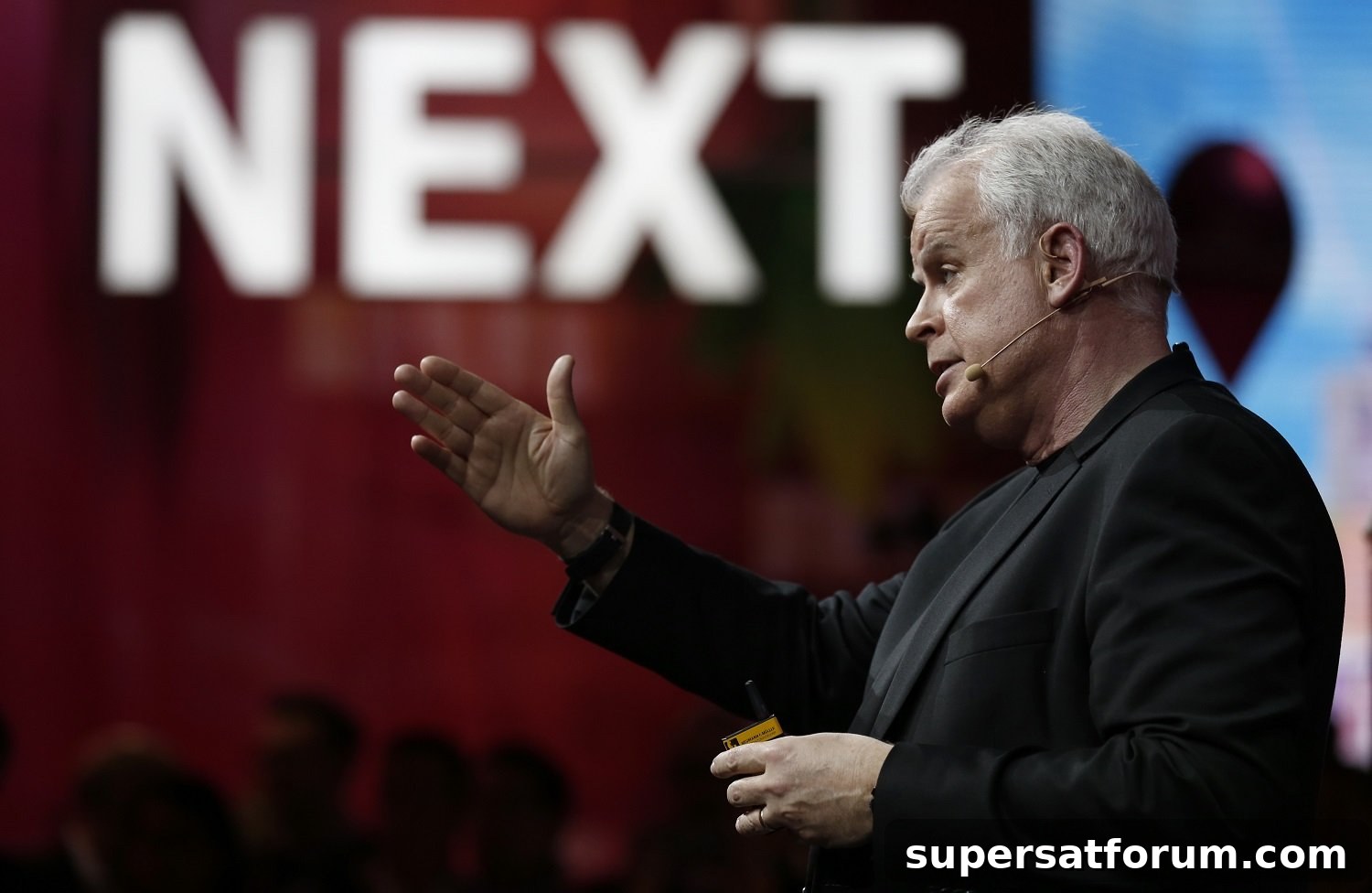
Neville Ray, T-Mobile’s President of Technology, posted on Twitter to clarify the company’s findings and end rampant speculation about the cause of the outage.
According to T-Mobile’s update, the immediate trigger was a failing fiber circuit owned by another provider in the southeastern United States. Network mechanisms intended to protect traffic and reroute connections in such events instead generated a flood of signaling and data that exceeded T-Mobile’s capacity, causing widespread service disruption.
The timing of the outage was especially consequential: it occurred during the COVID-19 pandemic when reliable connectivity is particularly critical. The FCC has launched initiatives such as “Keep America Connected” to help consumers and businesses stay online during these challenging times. In response to the outage, the FCC announced an investigation and has demanded explanations from T-Mobile.
Historically, the FCC under Chairman Pai has often issued stern statements but rarely imposed strong penalties on carriers. For example, its inquiry into carrier responses after Hurricane Michael found service shortcomings and roaming coordination failures, but it did not result in significant enforcement actions.
This outage is not the only controversy T-Mobile faced this week. One of the company’s main arguments in support of its $26 billion merger with Sprint was job creation. Former CEO John Legere previously claimed the combined company would employ 11,000 more people by 2024 than the two companies would separately.
However, tensions over staffing surfaced after reports — citing TechCrunch — that around 400 former Sprint employees were told they would be made redundant after August 13. T-Mobile has since posted an update confirming workforce changes while stating plans to hire 5,000 new employees over the next year.
(Image Credit: Neville Ray Manu Fernandez/AP Images for T-Mobile)
Interested in industry discussions on topics like this? Events such as the 5G Expo, IoT Tech Expo, Blockchain Expo, AI & Big Data Expo, and Cyber Security & Cloud Expo bring together leaders and experts to explore trends and challenges across connectivity, security, and emerging technologies.