(Image Credit: iStockPhoto/omersukrugoksu)
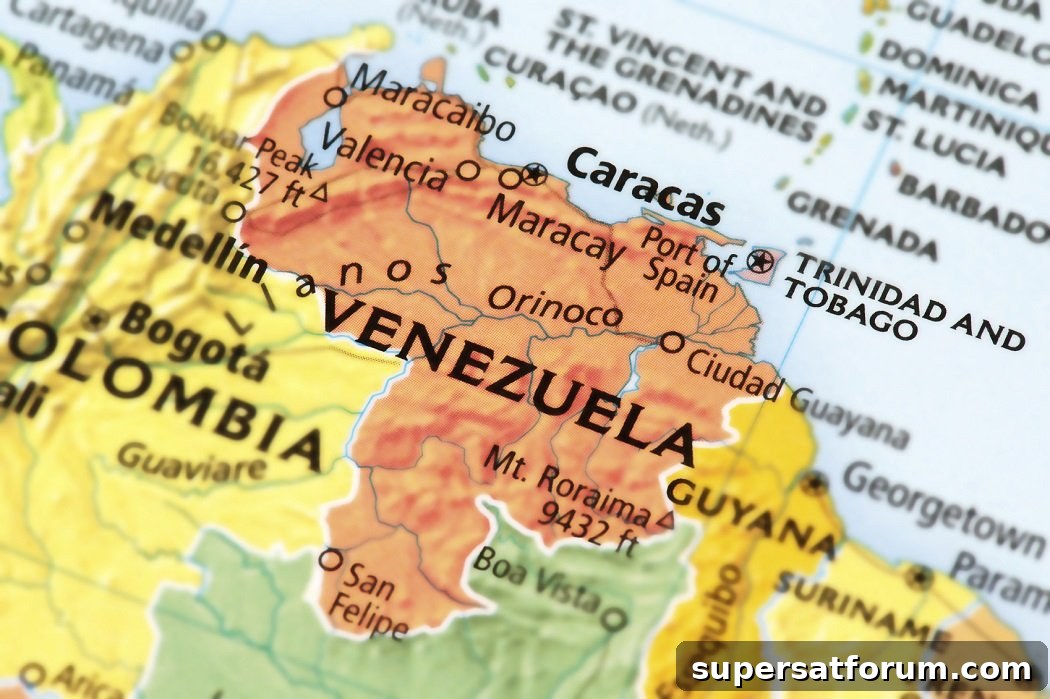
The long-running dispute over Three UK’s proposed merger with O2 is expected to reach a conclusion next week as the European Commission prepares to reject the deal. O2’s chief executive, Ronan Dunne, has sharply criticized UK regulators and compared the country’s spectrum allocation to “Venezuela,” highlighting concerns about how radio frequencies are distributed among mobile operators.
Dunne singled out Ofcom for particular criticism, arguing the regulator mishandled the UK mobile market after it allowed BT to acquire EE, the country’s largest mobile network operator, which significantly strengthened BT as a combined fixed-line and mobile provider.
Hutchison-owned Three, the UK’s smallest mobile network operator, made a £10.25 billion bid to take over Telefonica-owned O2. Three said the takeover was intended to rebalance the market following BT’s acquisition of EE, but regulators opposed the merger, arguing that reducing the number of major mobile network operators from four to three would harm competition and risk higher prices for consumers.
Speaking to The Telegraph, Dunne argued that Ofcom had failed to consider the alternative scenario in which four operators remain: “Ofcom have simply not considered the counter-factual of what happens if we continue with four operators. BT just gets stronger.”
O2’s analysis found that, among Telefonica’s operating markets, the UK stood out for its unequal distribution of spectrum—O2 holds roughly 40 percent of available spectrum in the UK, a situation the company said is comparable only to Venezuela in its portfolio of countries. After Ofcom’s strong objections, Hutchison and Telefonica requested a review of the proposed merger by the European Commission.
Ofcom’s chair, Sharon White, submitted arguments and supporting documents to the EU explaining why the merger should not proceed. The submission included a study commissioned by Ofcom from WIK Consult that examined how fewer operators in a market can affect consumer prices. Critics — including investment research analysts — questioned the study’s methodology and produced counter-analyses suggesting that comparable mergers, such as those involving T-Mobile and other regional operators in Europe, had little or no measurable effect on consumer pricing.
In recent months Hutchison offered a range of concessions aimed at persuading regulators to approve the merger. These included a five-year “price freeze,” a commitment to invest £5 billion in the network—at least 20 percent more than previously planned—and promises to enable other meaningful competitors to access the network. Hutchison also proposed giving fixed-line providers, such as Virgin Media and Sky, access to part of its network infrastructure.
Hutchison contends that its limited share of the airwaves hampers its ability to compete effectively. Virgin Media CEO Tom Mockridge emphasized the consequences of recent spectrum concentration, noting that BT/EE now controls about 45 percent of the UK’s total spectrum and around 60 percent of the higher-frequency bands best suited to urban 4G services. By comparison, Vodafone holds roughly 28 percent, O2 about 15 percent, and Three about 12 percent. Mockridge argued this imbalance makes it difficult to establish a viable new fourth mobile network operator.
Dunne also raised concerns about a government contract intended to improve emergency communications, which runs alongside EE’s commitment to expand 4G coverage from 60 percent to 95 percent of the UK by 2020. He suggested the arrangement may raise questions under European state aid rules and said O2 would seek rights to place its equipment on masts erected under the government program.
The European Commission is due to announce its decision on the Three/O2 merger next week.
What do you think about Ofcom’s management of the UK market? Share your thoughts in the comments.