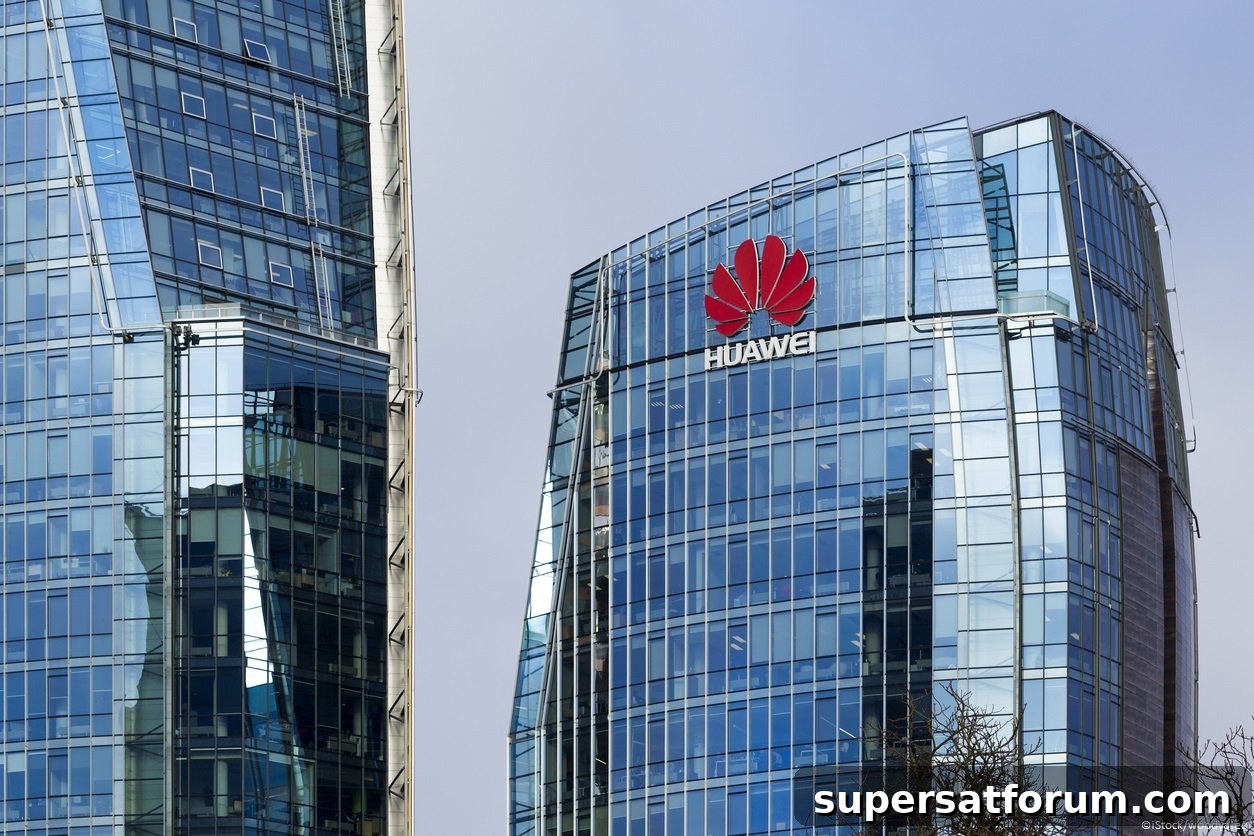
Huawei’s Senior Vice President and Global Cybersecurity Officer John Suffolk says the company faces roughly one million attempted cyberattacks each day.
In an interview with Japanese news outlet The Mainichi, Suffolk explained that most of these attacks are aimed at stealing intellectual property. Because Huawei leads in many technology areas, it is an attractive target for attackers seeking valuable trade secrets and proprietary information.
The volume of attacks could grow as Huawei is restricted in multiple countries, leaving opportunities for competing vendors with similar technology to capitalize on gaps in supply chains and market presence.
Earlier reports in September included allegations from Huawei that some U.S. agencies had carried out “cyberattacks to infiltrate Huawei’s intranet and internal information systems.” Huawei also stated that current and former employees had been “threatened, coerced, and enticed” by U.S. law enforcement, though Suffolk did not attribute the recent daily attack figure to any particular nation or threat actor.
Suffolk emphasized the sheer scale of the threats the company faces. While most intrusions are detected and blocked, some attacks have succeeded, especially against legacy systems that are no longer fully patched or supported. He described common attack methods as including targeted phishing campaigns that deliver malware via email to exfiltrate confidential information.
Western coverage has often concentrated on concerns that Huawei itself might pose security risks. On that point, Suffolk defended the company’s leadership and independence. He quoted Huawei’s CEO, Ren Zhengfei, asserting that the CEO would “flatly refuse” any attempt to compromise Huawei equipment, and that if pressured to act against the company’s integrity, he would rather shut the business down.
The prevalence and persistence of attempts to breach Huawei underline the broader reality that major technology firms are frequent targets for espionage and theft. Companies in similar positions must continuously invest in security monitoring, rapid patching, employee training, and incident response to counter sophisticated, high-volume campaigns.
According to Suffolk, Huawei’s defenses succeed in stopping most intrusions through a combination of automated detection, network segmentation, and human-led forensic investigation. Still, incidents that penetrate older or unmaintained systems highlight the importance of lifecycle management and timely upgrades across global infrastructure.
For organizations evaluating supply-chain and vendor security, the situation illustrates two key points: first, advanced vendors attract sustained adversary attention simply because of the value of their research and products; second, transparency about security practices and robust independent testing can help build trust, though they cannot eliminate the risk of persistent, well-resourced attackers.
As geopolitical tensions and technology competition continue to shape the global market, large industry players like Huawei will likely remain high-priority targets. The company’s experience underscores why enterprises and governments need comprehensive cybersecurity strategies that combine proactive defenses, regular audits, and contingency planning to protect intellectual property and critical systems.
Interested in industry discussions on topics like these? Consider attending relevant technology conferences and expos where experts examine cybersecurity, artificial intelligence, blockchain, and IoT trends across major tech hubs.