The Federal Aviation Administration (FAA) has approved roughly 45 percent of U.S. commercial aircraft to conduct low-visibility landings at some airports where 5G C-band service will be activated, but airline leaders warn of an imminent aviation crisis if broader operations proceed without safeguards.
Last week, the FAA issued more than 1,400 safety alerts to pilots notifying them that certain onboard systems might be disrupted by 5G C-band transmissions. On Sunday, the agency certified two radio altimeter models that are widely installed across Boeing and Airbus fleets, enabling operations at as many as 48 of the 88 airports the FAA identified as most directly affected by potential 5G C-band interference.
Chief executives from major U.S. passenger and cargo airlines described a “catastrophic” scenario if telecom operators deploy 5G C-band services without adequate protections. In a joint letter, the CEOs of Delta Air Lines, Southwest Airlines, American Airlines, United Airlines and others warned that unless key hub airports are cleared, most passenger and freight movements could be grounded.
The airline leaders estimated that on a day like the previous one, more than 1,100 flights and some 100,000 passengers could face cancellations, diversions or significant delays if mitigations are not in place.
In February, the Federal Communications Commission (FCC) completed a C-band (3.7–3.98 GHz) auction and granted licenses to several wireless providers to deploy 5G. The FCC determined that a 220 MHz separation buffer would adequately protect radio altimeters that operate between about 4.2 and 4.4 GHz.
A study from the Aerospace Vehicle Systems Institute (AVSI) that suggested C-band 5G could interfere with altimeters prompted concern in the aviation sector. Airbus Americas and Boeing executives said in a letter to U.S. Transportation Secretary Pete Buttigieg that interference “could adversely affect the ability of aircraft to safely operate.”
However, critics questioned aspects of the AVSI study’s methodology. Regulators noted test scenarios that included unrealistic conditions—such as a 20-degree aircraft roll at very low altitude and placements of aircraft relative to cell towers in unlikely orientations—that do not reflect normal operations.
The FCC concluded that the AVSI study did not demonstrate that harmful interference would likely occur under reasonable or reasonably foreseeable scenarios.
Moreover, mid-band spectrum similar to C-band has been used for cellular services in many countries for years without reported widespread issues. Dozens of countries already deploy C-band for 5G; their real-world experience has not produced evidence of harmful impacts on aviation equipment.
“Air safety is of paramount importance, but there is no evidence that 5G operations using C-band spectrum pose any risk to aviation safety, as the real-world experience in dozens of countries already using this spectrum for 5G confirms,” a Verizon spokesperson said.
Despite industry debate, the FAA chose a precautionary path and pressed AT&T and Verizon to delay parts of their C-band rollout. The carriers initially agreed to postpone activations until January 5, then accepted an additional two-week delay, moving the new activation date to January 19.
“Effective spectrum policy requires everyone to take responsibility for the functioning of their wireless systems and work cooperatively to ensure harmful interference does not endanger lives or property,” said Joe Kane, Director of Broadband and Spectrum Policy at the Information Technology and Innovation Foundation (ITIF). He criticised airlines for repeatedly seeking postponements instead of following established advisory processes and urged adherence to federal procedures for resolving interference disputes.
Under the agreement, carriers may proceed with bringing many C-band sites online, while operations near about 50 airports will use reduced power levels or other mitigations to protect critical aviation systems.
Update (January 19): AT&T and Verizon agreed to further delay activations near certain airports, despite expressing frustration with the FAA’s approach. AT&T said it was disappointed that the U.S. regulator has not followed the example of nearly 40 other countries that have deployed 5G without reported aviation disruptions.
President Joe Biden acknowledged and thanked Verizon and AT&T for the additional delay, saying the agreement preserves flight safety and helps prevent significant disruption to aviation operations while expanding high-speed internet access for millions of Americans.
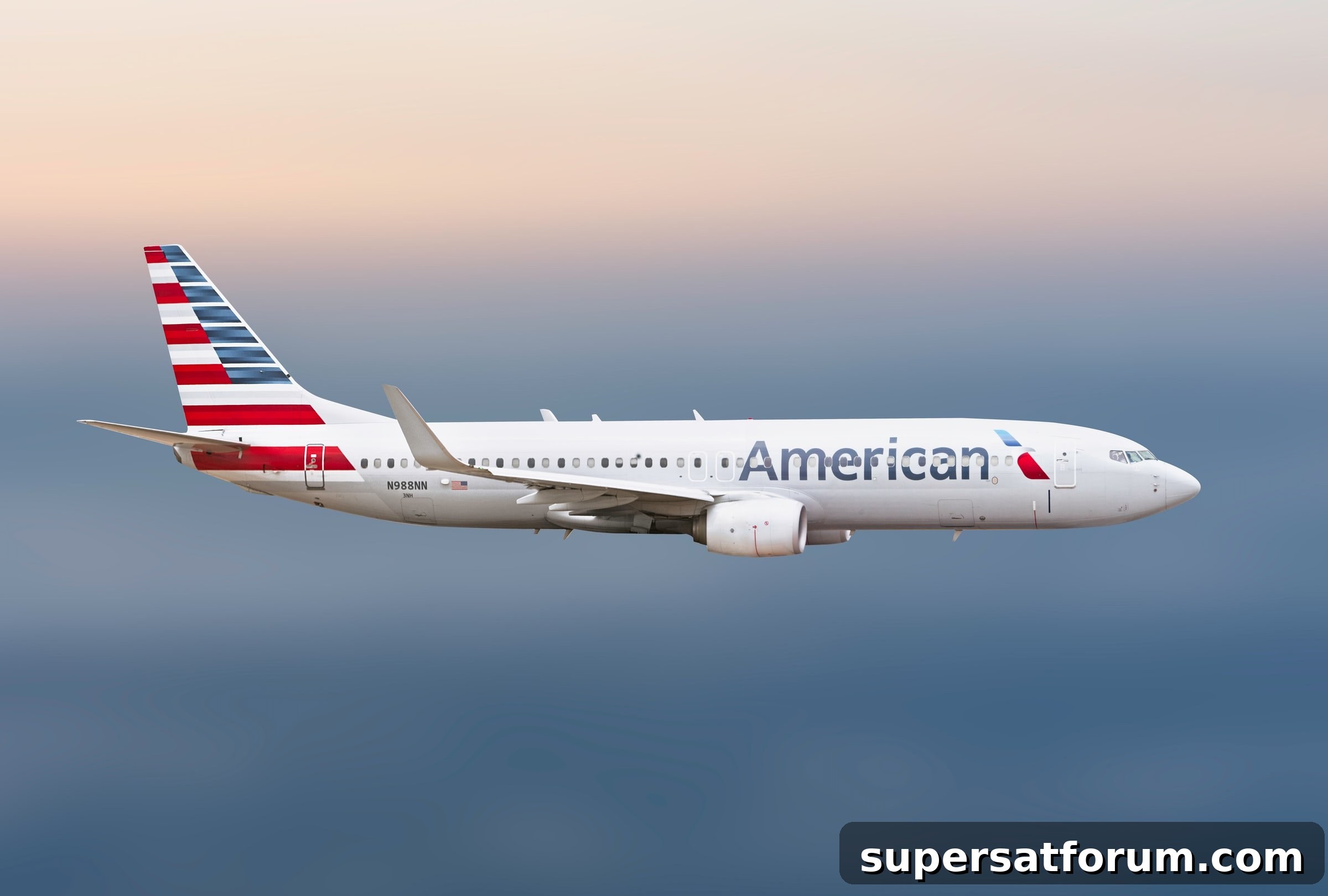
(Photo by Ross Sokolovski on Unsplash)
The discussion highlights the balance regulators and industry must strike between protecting aviation safety and accelerating the rollout of advanced wireless services. Ongoing coordination among airlines, manufacturers, regulators and telecom operators is being used to refine mitigations, certify equipment, and ensure that both air travel and wireless broadband can operate safely and reliably.
If you follow developments in aviation safety, spectrum policy and 5G deployment, expect continued testing, certification updates for radio altimeters, and targeted mitigations at airports where concerns remain—measures intended to minimize disruption while enabling broader 5G service expansion.