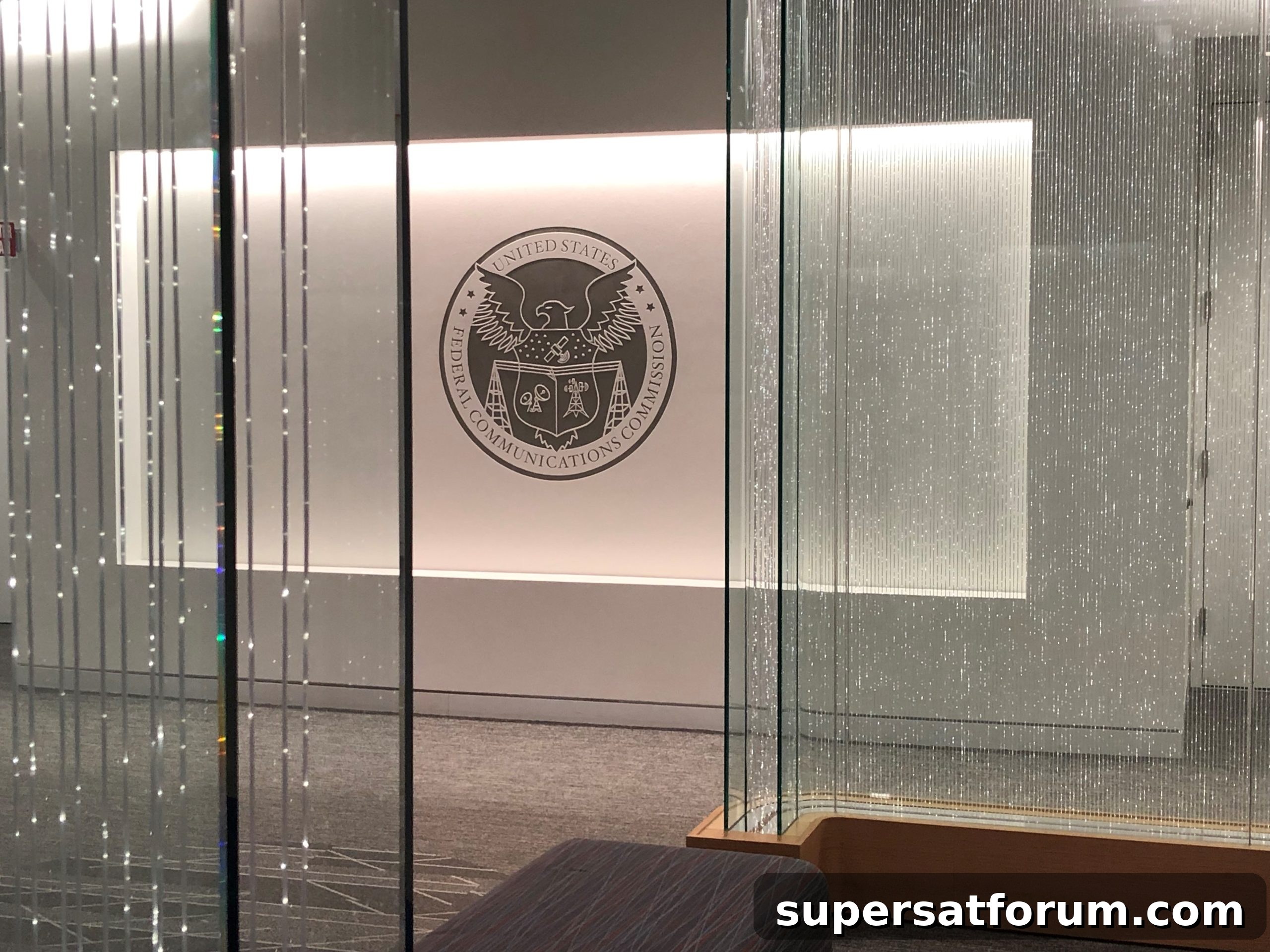
Outgoing FCC Chairwoman Jessica Rosenworcel is proposing a fast-tracked spectrum auction to fund the removal and replacement of Chinese telecommunications equipment from US networks.
The issue returned to the forefront after the Salt Typhoon disclosures showing that Beijing-linked threat groups had infiltrated US telecom networks. While specific compromised hardware has not been publicly detailed, removing Chinese-made telecom equipment is widely viewed as essential to protecting US communications infrastructure from hostile foreign actors.
This effort is part of the “Rip and Replace” initiative, officially the Secure and Trusted Communications Networks Reimbursement Program. Initially backed by $1.9 billion in federal funding, demand exceeded the available funds and left a significant shortfall.
Congress recently addressed that gap in the National Defense Authorization Act (NDAA), authorizing the FCC to borrow up to $3.08 billion from the US Treasury. That loan is intended to be repaid using proceeds from a proposed spectrum auction.
“With ‘Salt Typhoon’ and other recent incidents, we are all acutely aware of the risk posed by Chinese hackers and intelligence services to our privacy, economy, and security,” Chairwoman Rosenworcel said, underscoring the urgency of the proposal. “Today’s proposal is a critical step toward finally filling the shortfall in the Rip and Replace Program. I am confident that the FCC’s world-leading and award-winning auction team will meet this important moment.”
A spectrum auction for national security
Chinese vendors such as Huawei and ZTE have long been identified by US officials as national security risks, with concerns that their equipment could be exploited for espionage by foreign state actors. The Rip and Replace program was created to help American network operators remove, replace, and responsibly dispose of equipment from those manufacturers.
To fund the remaining needs, the FCC plans to auction unassigned licenses within the Advanced Wireless Service-3 (AWS-3) bands. These bands—including the 1695–1710 MHz, 1755–1780 MHz, and 2155–2180 MHz frequencies—remain partially unlicensed for various reasons. The AWS-3 auction would be the FCC’s first since its general auction authority lapsed in March 2023.
Rosenworcel circulated a Notice of Proposed Rulemaking that recommends updates to the FCC’s competitive bidding rules to allocate these licenses. If adopted, the auction would apply revised small business definitions under the Small Business Act’s five-year lookback period, aligning bidding processes with current regulatory standards. These adjustments aim to promote fairness and regulatory compliance across the evolving telecom sector.
Crucial to bolstering network security
The Rip and Replace program plays a central role in protecting critical communications infrastructure from undue foreign influence. Although the government provided $1.9 billion in 2021, that amount was insufficient to cover reimbursements for all eligible providers facing the high costs of removing and replacing insecure equipment.
The funding shortfall threatened the complete removal of vulnerable Huawei and ZTE gear, leaving gaps in national network defenses. With Congress’s authorization through the NDAA for the FCC to finance the remaining needs via an AWS-3 auction, the program has gained renewed momentum.
Rosenworcel has frequently urged Congress to resolve the financing shortfall, sending multiple letters to lawmakers requesting action. She has also called for Congress to restore the FCC’s full spectrum auction authority, which expired in early 2023, arguing that auctions are essential to enabling technological progress, economic growth, and national security.
“For more than thirty years, the FCC’s authority to auction the nation’s airwaves proved to be an indispensable tool for harnessing the promise of new wireless technologies while also spurring economic growth, creating jobs, and strengthening our national security and international leadership,” Rosenworcel has written previously.
A sensitive technological and political tipping point
Recent incidents like Salt Typhoon emphasize the urgent need to secure US networks and remove insecure foreign-made equipment. Concerns about Huawei and ZTE’s connections to the Chinese government have prompted sustained scrutiny from US officials and allied governments.
As the US works to harden its communications infrastructure and advance technologies such as 5G, the proposed auction offers not only a funding mechanism for Rip and Replace but also an opportunity for emerging and smaller companies to gain access to valuable spectrum. Reallocating unused AWS-3 bands for auction would help maximize their utility while addressing national security priorities.
Despite the announcement, several challenges remain. The competitive bidding process for the AWS-3 auction will need to accommodate regulatory updates and real-world economic constraints. Policymakers and regulators must also balance reimbursement access for small and rural operators—who may be most affected by replacement costs—against broader goals to promote competition across the telecom sector.
Bipartisan support will be important to ensure the program’s success, particularly as the FCC navigates questions about its borrowing authority and the long-term reliability of spectrum auction revenue. Rosenworcel remains optimistic about the agency’s capacity to carry out this mission and has expressed confidence in the FCC auction team’s ability to meet these technical and security challenges.
The Chairwoman has formally proposed the Notice of Proposed Rulemaking to her FCC colleagues, initiating the rulemaking process as the agency prepares for its first spectrum auction in over a year. With renewed Congressional backing and regulatory updates, the auction could reinvigorate the next phase of Rip and Replace and reaffirm the FCC’s role in securing and advancing the nation’s telecommunications systems.
(Image Credit: FCC)
See also: China launches first satellites for GuoWang constellation
Want to learn more about cybersecurity and cloud technology from industry leaders? Consider attending Cyber Security & Cloud Expo, which runs events in Amsterdam, California, and London and is co-located with Digital Transformation Week, IoT Tech Expo, Blockchain Expo, and AI & Big Data Expo.
Explore other upcoming enterprise technology events and webinars powered by TechForge.