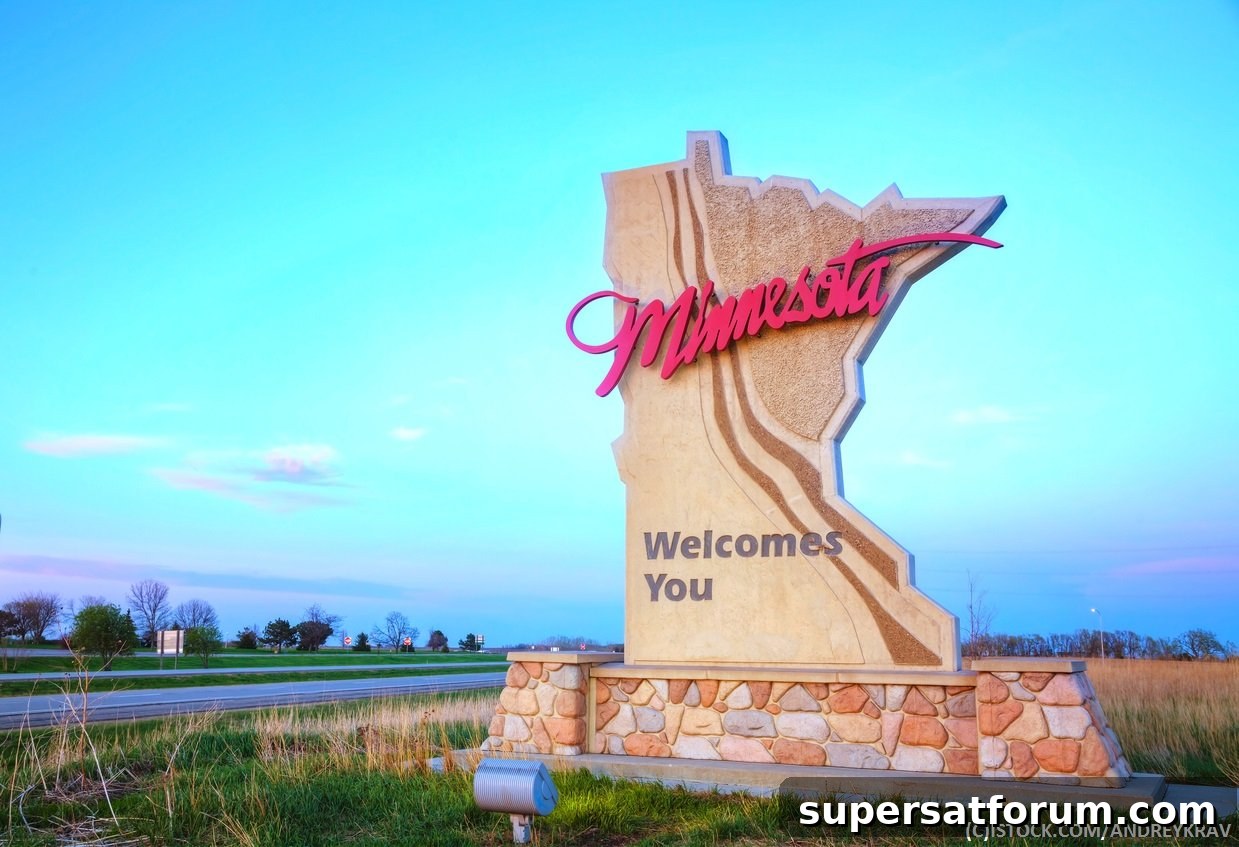
AT&T has praised Minnesota Governor Mark Dayton for signing a new law that streamlines and standardizes rules to accelerate the deployment of small cell technology. The measure clears obstacles and creates a predictable framework that will help speed the roll-out of next-generation high-speed wireless services across the Minneapolis–St. Paul metropolitan area, a region of particular focus as the company prepares its network for the 2018 Super Bowl.
Small cell technology plays a critical role in the evolution toward 5G. These compact, shoebox-sized antennas can be mounted on existing infrastructure such as traffic signals, streetlights, utility poles, and building facades. By placing additional coverage and capacity closer to users, small cells support faster mobile internet speeds, enable higher-quality streaming and data services, and provide targeted network resources in high-demand areas. They also form a foundation for future innovations including smart city systems, connected vehicles, and the broader Internet of Things.
To ensure strong service during major events and to improve everyday performance, AT&T plans to expand capacity at numerous existing macro cell sites and submit hundreds of permit applications for small cell installations throughout the Twin Cities. These deployments are intended to increase network robustness and deliver more consistent speeds and reliability for consumers and businesses alike.
Senator David Osmek commented on the new law, saying: “With this new law, Minnesota now has forward-looking rules that maintain the local control permitting process and will also allow for the acceleration of the deployment of next-generation high-speed wireless infrastructure in the state. 5G is the wave of the future and we want to make sure Minnesota is at the forefront of emerging technologies.” The legislation aims to balance local oversight with streamlined procedures so communities can manage public space while enabling faster, more efficient wireless upgrades.
AT&T’s network investments in Minnesota predate the new law. From 2014 through 2016, AT&T invested nearly $350 million in both wireless and wired network improvements across the state. In 2016 alone the company completed more than 1,350 wireless network upgrades in Minnesota, including the construction of new cell sites and capacity enhancements at existing sites to support growing consumer demand for data and connectivity.
By combining ongoing infrastructure investment with regulatory clarity provided by the new statute, Minnesota is positioned to benefit from improved mobile performance and expanded capacity. For residents and visitors in the Minneapolis–St. Paul area, that means better streaming, fewer dropped calls, and a more capable network as digital services and connected devices continue to expand.