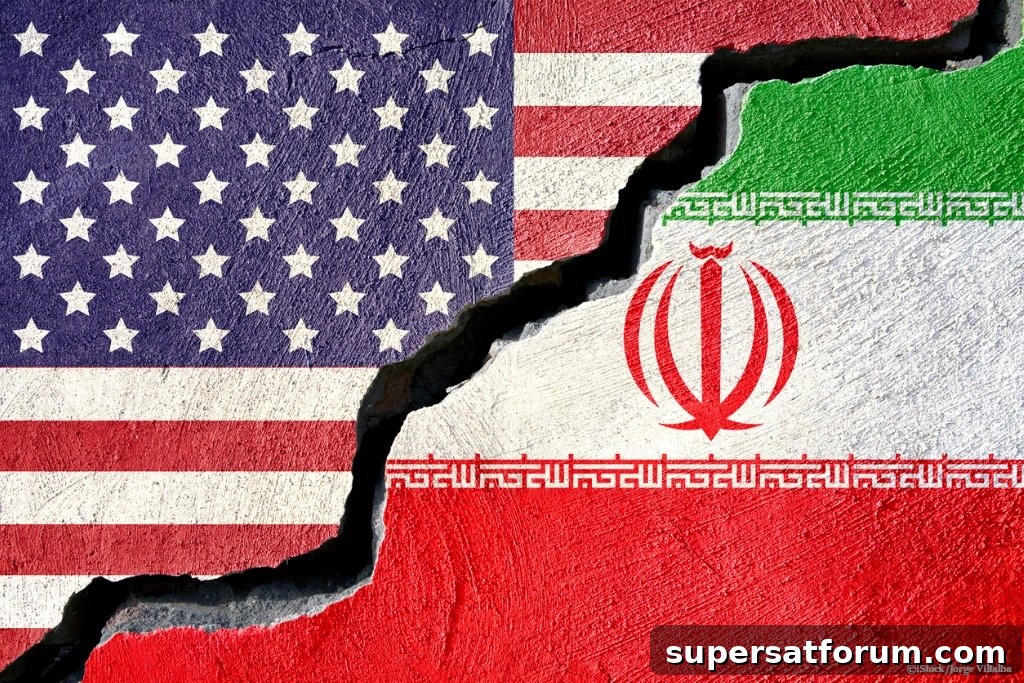
As the US government shutdown reaches its 34th day, Iranian-linked hackers have taken advantage by launching a DNS-hijacking cyberattack against federal networks.
The shutdown, caused by disagreement over President Donald Trump’s request for $5.6bn for a border wall with Mexico, is now the longest in US history. Because funding has not been approved, many federal employees are furloughed or working without pay, and some essential IT maintenance and monitoring have been reduced or delayed—leaving critical systems more exposed to cyber threats.
Security analysts attribute the recent attack to actors connected to Iran. DNS (Domain Name System) hijacking redirects internet traffic to attacker-controlled infrastructure, allowing adversaries to intercept, monitor or manipulate communications and to route users to malicious sites.
Chris Krebs, Director of the Cybersecurity and Infrastructure Security Agency (CISA), issued an emergency directive requiring immediate actions by civilian federal agencies to protect information systems from ongoing DNS hijacking and tampering. The directive underscores the urgency of patching vulnerabilities, enforcing multi-factor authentication, and tightening DNS configurations while agencies remain understaffed or underfunded.
US–Iran Tensions
Tensions between the United States and Iran have intensified over the past year. The Trump administration withdrew from the 2015 nuclear agreement in May and reimposed sanctions, asserting Iran continued illicit nuclear activities. Independent inspectors and some analysts, however, have reported that Iran largely remained compliant with parts of the original deal even after US withdrawal.
Many in Tehran perceive US policy as aiming to exert maximum economic pressure, with some officials warning that sustained sanctions could weaken Iran’s economy significantly. Iranian authorities estimate they can absorb current pressure through 2021, but analysts warn that renewed or escalated sanctions—particularly if combined with political shifts in Washington—could severely strain the country’s finances and stability.
Security experts caution that extreme economic pressure could prompt Iran to accelerate its nuclear program as leverage, or to conduct retaliatory actions against US and allied interests. In turn, US and allied responses to such provocations could be rapid and forceful, increasing the risk of broader confrontation.
The recent DNS-hijacking incident highlights how geopolitical tensions can quickly translate into cyber operations. Reduced staffing and resource constraints caused by the shutdown increase the attack surface for nation-state actors and criminal groups alike, making it essential for agencies to prioritize incident response, threat hunting, and resilient configurations even amid political stalemate.
Protective steps recommended by cybersecurity authorities include enforcing strong authentication across administrative accounts, restricting administrative privileges, auditing DNS records and registrar settings, deploying DNS security extensions (where appropriate), and maintaining up-to-date patching and monitoring to detect anomalous traffic. Coordination between federal, state, and private sector partners is also critical to identify and mitigate attacks that could affect public services and critical infrastructure.
As investigations continue, federal agencies and private organizations should assume persistent and adaptive threats in the current geopolitical climate and take proactive measures to reduce exposure while the government shutdown affects staffing and operations.
Interested in industry perspectives and practical guidance from security professionals? Events such as cybersecurity and cloud industry conferences bring together experts to discuss threats, defenses, and resilience strategies—providing opportunities to learn how organizations are mitigating risks in a tense international environment.