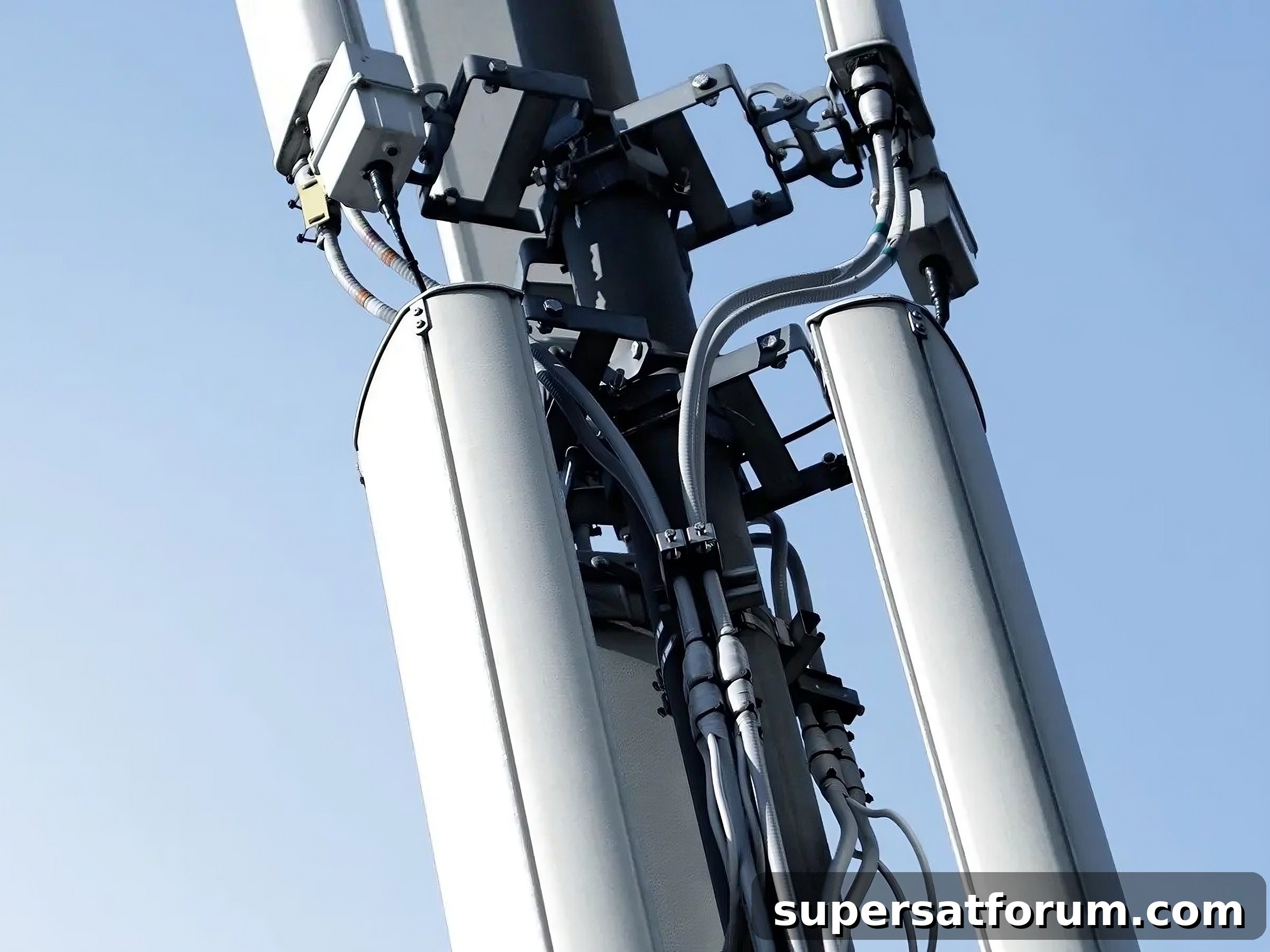
A misaligned antenna can be the difference between having a usable mobile signal and having none at all. To prevent that, Vodafone is using satellites to ensure precise antenna positioning.
Vodafone will roll out satellite-guided sensors embedded in new radio antennas across its network, starting in Albania this September and expanding to other markets thereafter. This industry-first approach aims to reduce signal dead zones that often appear at the most inconvenient moments.
Today, engineers climb masts that can reach 50 metres and manually align antennas, taking into account numerous technical factors such as azimuth (the angle relative to geographic north), tilt and elevation.
That process is intricate and can be imprecise. Weather, vibrations and occasional ground movement can nudge antennas out of alignment over time, degrading coverage and causing intermittent signal problems.
By integrating satellite-guided sensors that collect GPS data and performance metrics, Vodafone will be able to detect alignment issues in real time. The sensors report back to operations centres, enabling engineers to either adjust antenna orientation remotely or dispatch maintenance teams for more complex repairs.
Alberto Ripepi, Vodafone’s Chief Network Officer, explained: “As smartphones pack in ever more functionality, network precision is key. Antenna alignment is one of the most critical aspects when it comes to installing and maintaining high-performing mobile networks.
“By integrating sensors into new radio antennas, we can more easily fine-tune our radios to give customers the optimal signal quality.”
Beyond customer experience, correct alignment improves operational efficiency. Misaligned antennas waste energy, cause interference and trigger unnecessary service calls—outcomes that are costly for operators and frustrating for users.
For consumers, satellite-assisted antenna positioning promises faster data speeds, more responsive connections and fewer dropped calls at crucial moments.
Vodafone plans to go further than static adjustments. The company intends to dynamically adapt antenna orientation based on usage patterns—shifting capacity to serve morning commuter routes, focusing coverage on a stadium for a major event, or reorienting antennas toward a festival site when thousands of attendees gather.
This satellite guidance feature is part of Vodafone’s broader “Network as a Sensor” programme, which makes use of data from the company’s roughly 160,000 masts across Europe and Africa. Those mast-mounted sensors are already used for applications such as forecasting local microclimatic conditions and providing early warnings for flooding and other hazards.
For everyday mobile users, these improvements mean a simpler benefit: phones that work reliably when needed, without the familiar tug-of-war of walking a few steps to find a signal.
As dependency on mobile networks grows—supporting everything from video calls and streaming to emerging applications like autonomous vehicles and remote healthcare—consistent and reliable connectivity becomes essential rather than optional.
If Vodafone’s satellite-guided approach proves successful, other operators are likely to adopt similar systems, which could significantly reduce patchy and unpredictable mobile coverage over time.
See also: Ericsson: Firms say complex 5G rollout is holding back AI
Looking to revamp your digital transformation strategy? Learn more about Digital Transformation Week taking place in Amsterdam, California and London. The event is co-located with IoT Tech Expo, AI & Big Data Expo, Cyber Security & Cloud Expo and other industry gatherings.
Explore other upcoming enterprise technology events and webinars powered by TechForge.