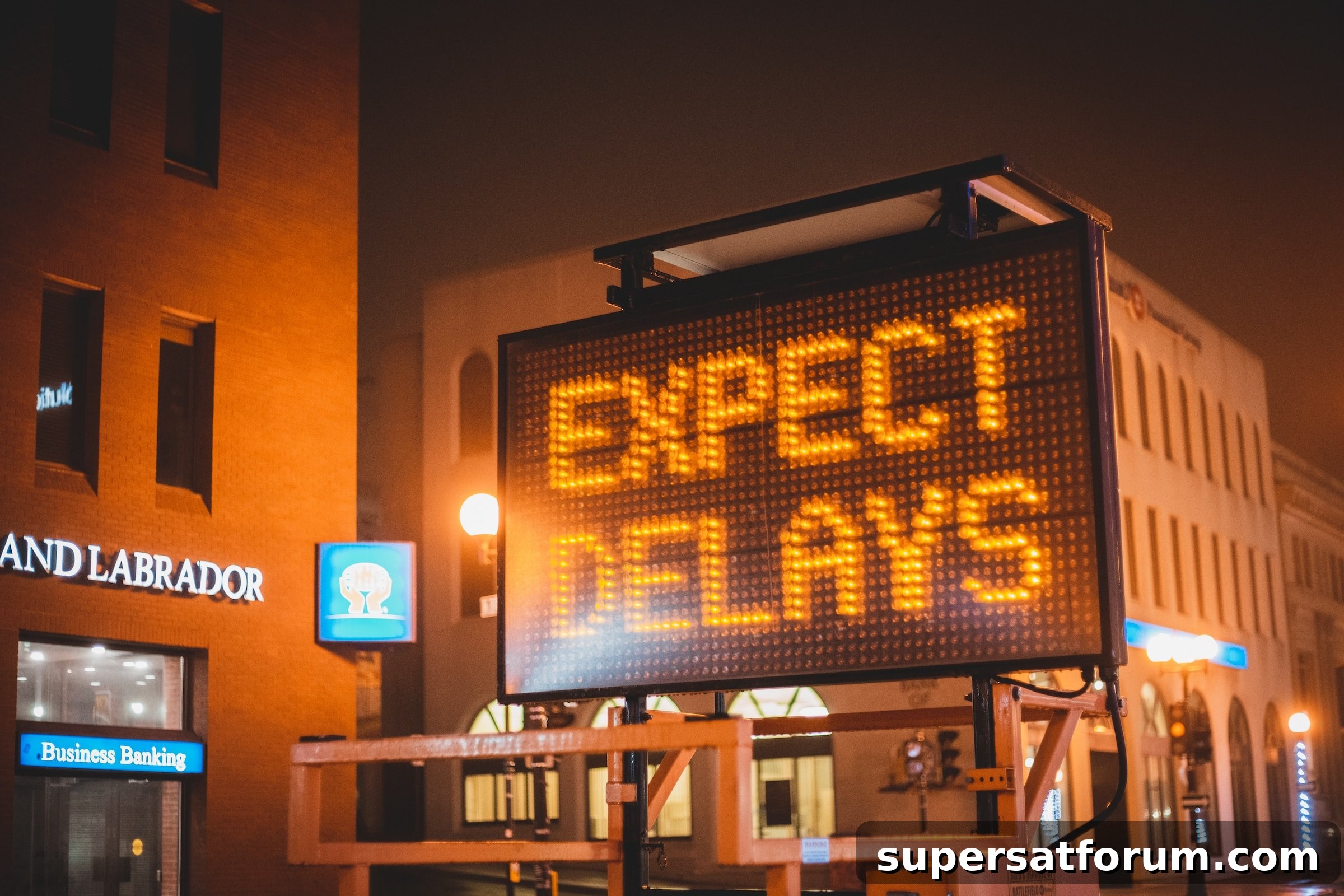
Research by TXO reveals that 85% of operators have suffered project timeline disruptions due to ongoing supply chain problems.
The study identifies sourcing new equipment from original equipment manufacturers (OEMs) as a primary challenge for operators worldwide.
More than a third of respondents (34%) experienced delays of six months or longer. Every operator surveyed reported that supply chain disruptions are affecting their business operations.
Over three-quarters (78%) had to wait more than three months for critical hardware, and 41% faced waits exceeding six months.
Delays are not the only issue: 54% of respondents reported hardware cost increases of 11–30% from OEMs, making new equipment procurement increasingly difficult.
The research surveyed more than 90 global mobile and fixed-line operators and systems integrators.
Fifty-eight percent of operators and 47% of systems integrators said their new business pipelines have been impacted. When it comes to customer satisfaction, 42% of operators and 79% of systems integrators reported declines.
Supply chain disruptions have affected revenue for 39% of operators and 58% of systems integrators, and have negatively influenced network performance for 45% of operators and 47% of systems integrators.
Darren Pearce, Group CEO of TXO, commented:
“The supply chain crisis is having a significant impact on global telecom operators, from delays in sourcing new equipment to rising costs. It’s clear this is damaging new business pipelines, revenue, network performance and customer satisfaction.
At the same time, operators are under pressure to expand connectivity and meet government targets for 5G and fibre rollouts.
While many are reluctant to scale up equipment deployments because of severe delays and higher costs, looming regulatory deadlines are increasing pressure to find alternative solutions.”
As supply chain disruptions persist, more operators are turning to the circular economy and recognizing its advantages. The research shows 38% of operators are actively sourcing from the secondary market or using refurbished equipment to address supply constraints.
About one-third (32%) currently do not use circular-economy practices but would consider them to mitigate supply chain disruptions. With equipment costs rising, 82% of operators say they would consider buying refurbished network equipment to reduce expenses.
“By embracing the circular economy and purchasing pre-owned equipment instead of new, operators can avoid long waits for hardware, cut costs, and accelerate deployments to meet government targets,” Pearce added.
“This approach helps protect their business models and revenue streams while they navigate the supply chain crisis. It also reduces carbon footprints and supports sustainability goals.”
Operators are adopting several other strategies to mitigate supply chain challenges, including increasing inventory levels (70%), expanding their supplier base (61%), repairing and reusing existing equipment more frequently (35%), and redesigning network architecture to reduce dependence on OEMs (38%).
For more detail, TXO has published a whitepaper on the circular economy and telecoms in which these findings are discussed in depth.
(Photo by Erik Mclean on Unsplash)
Looking to revamp your digital transformation strategy? Learn more about Digital Transformation Week, taking place in Amsterdam, California, and London.
Explore other upcoming enterprise technology events and webinars powered by TechForge.