Twilio has teamed up with leading caller ID apps to tackle the persistent problem of robocalls with a new initiative called “Verified by Twilio.”
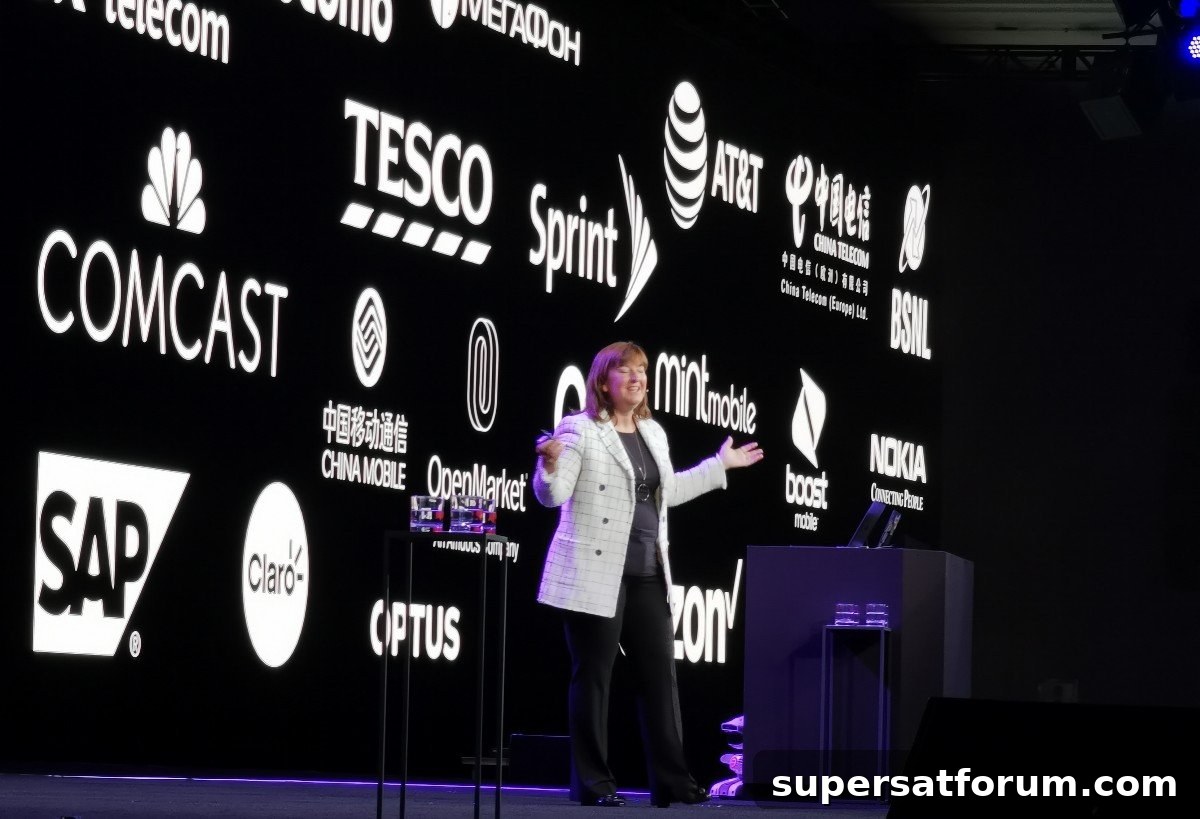
At the company’s Signal 2019 day two keynote, Christine Roberts, GM and VP of Super Network at Twilio, shared a personal story about unidentified calls—an experience many people recognize. Roberts showed a phone log filled with missed calls she chose not to answer. She’s not alone: research indicates three out of every four calls go unanswered when the recipient does not know the caller. That’s understandable given that there were roughly 48 billion robocalls in the US in 2018.
Roberts recalled a time when a ringing phone was a thrill—a potential call from a grandparent or a friend. “Maybe it was grandma saying she’s going to send me five bucks, maybe it was a friend calling to figure out if we could do a sleepover,” she said. “We all know that’s not what happens now. Today, when the phone rings, the sentiment is completely different.”
With Verified by Twilio, the company aims to restore trust in voice communication by ensuring calls are wanted and clearly identified. The service displays enhanced caller ID information that not only identifies who is calling but also explains the purpose of the call, helping recipients decide whether to answer.
As shown in the image shared at the keynote, caller ID can be customized with an organization’s branding, including logos and colors, to increase recognition and trust.
Twilio has partnered with apps that already offer more basic caller ID features—such as CallApp, Robokiller, YouMail, and Hiya—and plans to expand this functionality to reach over 200 million people by the end of 2019.
Reducing unwanted calls benefits both recipients and legitimate callers. Recipients can avoid unnecessary interruptions and identify important communications, while businesses and organizations that invest in voice outreach avoid wasted time and expense when recipients don’t answer. Roberts emphasized that beyond blocking spam, the priority is ensuring wanted calls get through.
“At Twilio, my team uses machine learning and analyzes traffic patterns to figure out who’s not using our platform for good,” Roberts explained. “We know it’s equally as important to let known, good, wanted communications get through.”
She recounted an example in which a school nurse called to report that her daughter had injured her ankle. If Roberts had ignored an unrecognized number, she might not have learned about the injury promptly. This illustrates how clear identification of callers can have real, immediate benefits.
Carriers and regulators are also deploying new measures to curb robocalls, but Twilio’s approach—verifying and explaining the reason for a call—offers a practical, broadly available solution that helps restore confidence in voice communication.
Twilio is inviting businesses and organizations—including carriers, operating system vendors, and app developers—to apply to participate in the private beta of Verified by Twilio. Consumers are encouraged to install one of the participating caller ID apps—CallApp, Hiya, Robokiller, or YouMail—to begin blocking unwanted calls today and to be ready to receive enhanced verified caller information when Verified by Twilio becomes widely available.
Interested in hearing industry leaders discuss topics like this? Attend events that explore emerging technologies, including IoT, blockchain, AI and big data, and cybersecurity and cloud innovations, with conferences held in locations such as Silicon Valley, London, and Amsterdam.