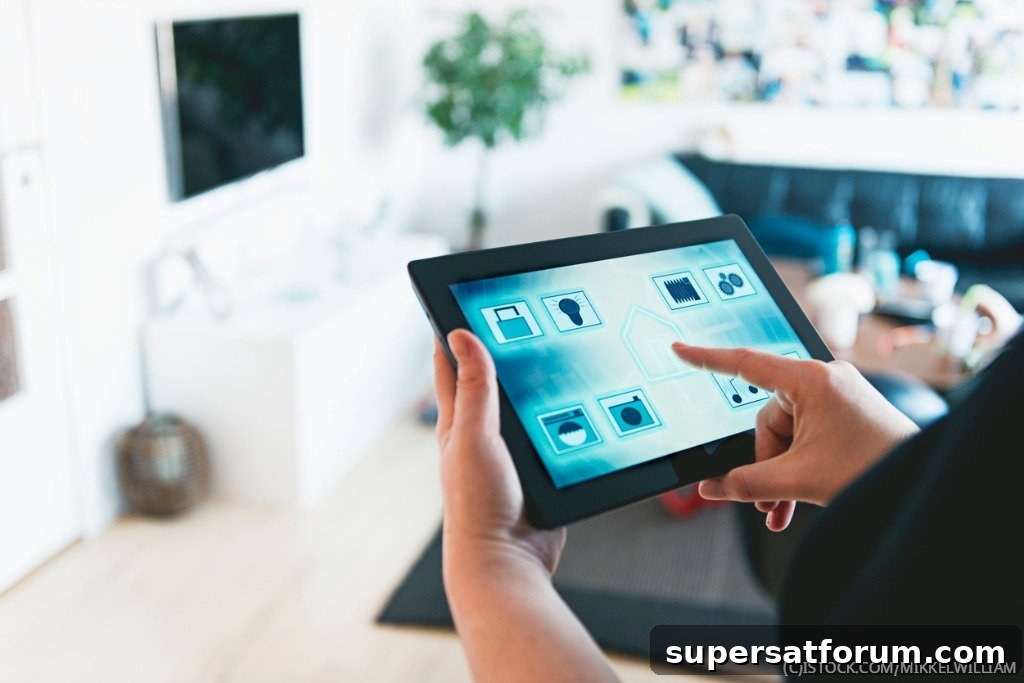
Not since Columbus discovered the Americas has a new market offered such vast potential. The smart home industry represents a new frontier of opportunities, with communication service providers (CSPs) and global brands such as Google, Amazon and Apple competing to capture a rapidly expanding audience.
In the UK, still considered an early-adopter market, more than four million people have invested in smart home devices; the market is currently estimated at around £30 million per year. This value is expected to rise sharply: Strategy Analytics predicted consumer spending on smart home systems and services would reach $157 billion by 2020. With that scale of growth anticipated, it is unsurprising that CSPs are actively pursuing the smart home sector to increase margins, grow their user bases and raise average revenue per user (ARPU).
The smart home market includes many segments—home automation, home entertainment, energy management and security—each populated by different players and technologies. CSPs have an opportunity to assemble these segments into a unified ecosystem that delivers a seamless, integrated experience for consumers.
What consumers want from their smart home
When it comes to smart homes, consumers tend to want two fundamental things:
- Interoperability – Users do not want to serve as the translation layer between dozens or hundreds of devices. Internet of Things (IoT) products—whether smart lighting, thermostats or voice assistants—must work together across connectivity, communication and integration protocols to provide an intuitive, low-friction experience.
- Reliable connectivity – The intelligence of the smart home relies on consistent, simple-to-manage connectivity. Devices should be easy to connect and maintain.
Yet many devices and platforms are still developed in isolation. Vendors often build offerings that function in silos, ignoring complexity, security, flexibility and the need for seamless inter-device connections across the smart home ecosystem.
This gap is where CSPs can deliver significant value. With large, established customer bases that already rely on them for broadband and other over-the-top (OTT) services, CSPs are well positioned to offer a unifying smart home framework. By leveraging their brand recognition, platforms and technical capabilities, CSPs can create a cohesive user experience while unlocking new revenue streams.
What CSPs must consider when building a smart home framework
Customer-centric platforms: The first priority is a clear, customer-focused value proposition. For CSPs, solving connectivity challenges and protecting core revenue streams—such as broadband subscriptions—will be essential.
Take command of the market: CSPs should build strategies to retain revenue and monetize indirectly through loyalty programs, churn-reduction initiatives and tailored customer-care offerings. By positioning themselves as a one-stop smart home platform and investing in product development and customized marketing, they can convert cautious consumers into engaged customers. Speed matters: rapid partnership and product rollout will be key to capturing demand from users who prefer a “wait and see” approach.
Partnerships: CSPs must decide which services to develop in-house and where to rely on partners. Open APIs and easy integration are critical for quickly onboarding third-party suppliers. Partner selection should be deliberate and vertical-focused so CSPs can offer comprehensive solution bundles that are difficult for niche players to replicate.
Flexibility and effective execution: CSPs already possess several advantages—brand recognition, existing customer relationships, infrastructure and engineering talent—that can help them lead in the smart home market. However, success requires flexible platforms that support a broad range of services, including home entertainment, security, automation and energy management. Those who deliver a diverse, well-executed suite of offerings will stand out.
Ultimately, profitability will follow CSPs that prioritize what customers actually want from their smart home experience rather than simply showcasing the latest technologies. CSPs already have a presence in many households; by partnering with suppliers and focusing on customer-centric platforms, they can build integrated solutions that turn smart homes from a luxury into a necessity and secure a dominant position in the market.
Interested in hearing industry leaders discuss topics like this and share practical IoT use cases? Attend the IoT Tech Expo World Series events, which take place in locations such as Silicon Valley, London and Amsterdam, to learn more.
The IoT Tech Expo is co-located with the AI & Big Data Expo, Cyber Security & Cloud Expo and Blockchain Expo, allowing attendees to explore the broader technology ecosystem in a single place.