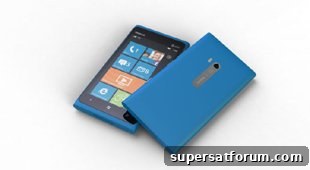
Shares of Finnish mobile manufacturer Nokia tumbled 14% after the company acknowledged a difficult market environment for smartphone sales, particularly in India, the Middle East, Africa and China, and revised its first-quarter outlook downward.
Nokia has struggled since moving away from its Symbian platform and committing to Microsoft’s Windows Phone 7 ecosystem. While the new Lumia line of Windows phones showed some momentum—Nokia reported selling more than 2 million Lumia handsets in the first quarter, roughly double the previous quarter—overall sales remain sluggish.
Competition is squeezing Nokia at both ends of the market. At the premium end, established rivals such as Apple with the iPhone and multiple high-end Android devices from manufacturers like Samsung dominate consumer attention and margins. At the low-cost end, aggressive producers of inexpensive handsets, including companies such as ZTE and LG, are pressuring prices and volumes.
Once a dominant force that controlled more than 40% of global mobile shipments, Nokia’s market share has fallen to less than 10% today.
For the first quarter, operating margins in the Devices & Services unit were approximately negative 3%, the company said in a statement, a notable decline versus prior expectations that had anticipated roughly break-even performance with a variance of about 2% above or below. Management signaled that second-quarter margins are likely to be in the same range or potentially weaker.
To address the shortfall, Nokia said it will increase investments behind Lumia to expand product availability across more markets, deploy tactical pricing measures within its mobile phone business, and pursue additional structural actions if necessary. The company emphasized a focus on bringing more Lumia models to more consumers as quickly as possible.
President and CEO Stephen Elop called the results “disappointing” while stressing that Lumia has established early momentum. He noted continued support from carriers and distribution partners for Windows Phone as a third mobile ecosystem, citing the recent launch of the Lumia 900 with AT&T in the United States as an example of carrier backing.
That endorsement came amid a setback: Nokia’s re-entry into the U.S. smartphone market with the Lumia 900 was hampered by a software defect that caused affected phones to drop off the AT&T network. Nokia has offered compensation to affected customers and said a software update would be made available shortly, but the incident still represents an unwelcome blow to the product’s rollout and consumer confidence.
Nokia plans to publish full first-quarter results on April 19. While critics and reviewers have generally praised the Lumia line for design and software, unit sales have yet to compensate for the steep decline following the company’s shift away from Symbian. Since announcing its strategic partnership with Microsoft, Nokia’s share price has slumped by more than 50%, reflecting investor concern about the company’s ability to regain its competitive footing.
The immediate priorities for Nokia are clear: accelerate Lumia distribution, maintain carrier and retail support, manage pricing pressure across segments, and execute structural measures to restore profitability. The company faces a complex challenge—rebuilding relevance in mature high-end markets while defending share in volume-driven, lower-cost regions. Success will depend on product execution, reliable software and network performance, and the ability to deliver competitive devices at the right price points in high-growth regions.
As Nokia navigates these headwinds, the upcoming earnings report will be closely watched by investors and industry observers for signs that the company’s increased investments and tactical actions are turning momentum in its favor.