(Image Credit: iStockPhoto/maljalen)
Last month we reported that 73 percent of Brits were “completely unaware” of the Investigatory Powers Bill, commonly known as the Snooper’s Charter. New research from the popular VPN provider HideMyAss shows that when people were presented with short extracts from the bill, two-thirds of respondents believed the passages came from dystopian fiction, citing works like 1984, Brave New World, The Hunger Games, and The Matrix.
For decades, writers such as George Orwell warned about societies subject to pervasive surveillance. Those who follow developments in digital privacy and investigatory legislation may be desensitized to alarming language in legal texts, but this survey highlights how distant that reality still feels to much of the public. Most people—without specialist knowledge—tend to assume extreme surveillance measures belong in novels and movies rather than in modern statutes.
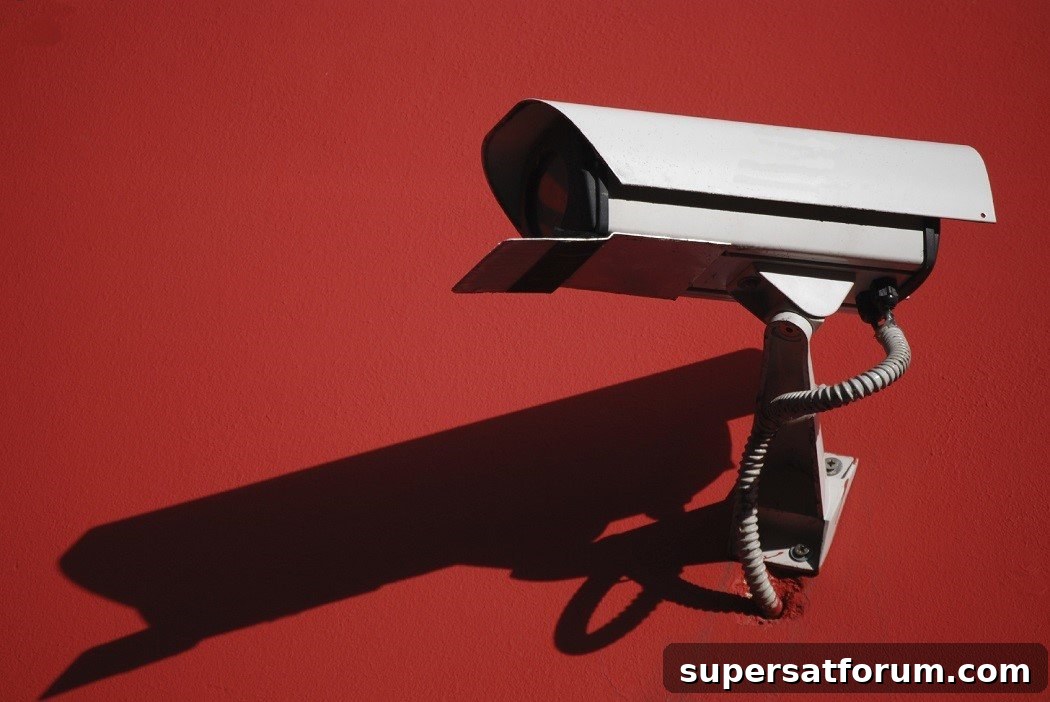
Joseph Cannataci, the United Nations Special Rapporteur on the right to privacy, argues that surveillance in parts of the UK already surpasses what Orwell imagined. He pointed to the ubiquity of closed-circuit television (CCTV) cameras across urban and rural areas: whereas Orwell’s character Winston Smith could retreat into the countryside in the hope of escaping the “screen,” today there are stretches of the English countryside with more cameras than Orwell could have envisioned. Cannataci’s point is that some current practices make the theoretical warnings of dystopian fiction feel dated.
The revelations from Edward Snowden, who disclosed extensive National Security Agency surveillance programs in the United States, shocked many and confirmed longstanding concerns among privacy advocates. Cannataci and others contend that the UK’s oversight mechanisms are weaker in key respects, which can make domestic surveillance even more troubling. Snowden’s leaks prompted a global debate about proportionality, transparency, and the legal frameworks governing mass collection of communications and metadata; yet critics say reform and oversight have not kept pace with technological capability.
The HideMyAss poll broke down public associations with the quoted extracts. On average, one in five respondents (20%) believed the lines came from Orwell’s 1984. Ten percent thought they were from the film Enemy of the State, while 7% linked the text to The Hunger Games. Alarmingly, 8% of those surveyed even said the passages reminded them of North Korean propaganda. These results suggest that many people equate legal language about investigatory powers with fictional or oppressive regimes rather than with routine democratic governance, indicating a significant gap between public perception and legislative reality.
Danvers Baillieu, Chief Operating Officer at HideMyAss, commented on the survey and the content of the Snooper’s Charter itself. He described the bill as “bewildering in its current form,” arguing that its language and provisions would give government bodies far-reaching technical capabilities to intrude into people’s private lives. While Baillieu stopped short of likening contemporary politicians to fictional dictators, he noted that the bill’s limited regard for privacy makes it easy to confuse with dystopian fiction. His remarks reflect broader concerns among privacy advocates and tech professionals about scope, safeguards, and accountability.
Public debate around the Investigatory Powers Bill has focused on several recurring themes: the balance between national security and individual liberty, how to define and limit bulk data collection, the transparency of warrants and interception processes, and the role of independent oversight. Supporters of broad investigatory powers argue they are essential for preventing serious crime and terrorism in a digital age; critics counter that such measures can be disproportionate, open to abuse, and are often implemented without sufficient public understanding or parliamentary scrutiny.
Efforts to improve oversight and increase transparency have included proposals for stronger judicial review of warrants, enhanced reporting requirements, and clearer limits on retention and use of communications data. However, whether these safeguards are adequate remains contested. Privacy campaigners emphasize the importance of independent oversight bodies with real enforcement powers, rigorous impact assessments, and meaningful public consultation so citizens can weigh the trade-offs between security and privacy with full information.
Education and public engagement are also important. The HideMyAss findings suggest that many people do not recognize the language of investigatory powers as part of existing law, which makes informed democratic debate difficult. Clear, accessible explanations of what the bill permits, who can authorize surveillance, what checks exist, and how data is stored and used would help bridge the knowledge gap. When citizens understand the precise implications of policy, they are better positioned to participate in discussion and demand accountability.
There are practical steps individuals can take to improve their own privacy posture regardless of legislative outcomes: using strong encryption where available, practicing good password hygiene, being selective about data shared with third-party services, and considering privacy-enhancing tools such as reputable VPNs, encrypted messaging apps, and regular software updates. These measures do not replace legal safeguards, but they reduce exposure to some common risks.
What are your thoughts on the Snooper’s Charter? Let us know in the comments.