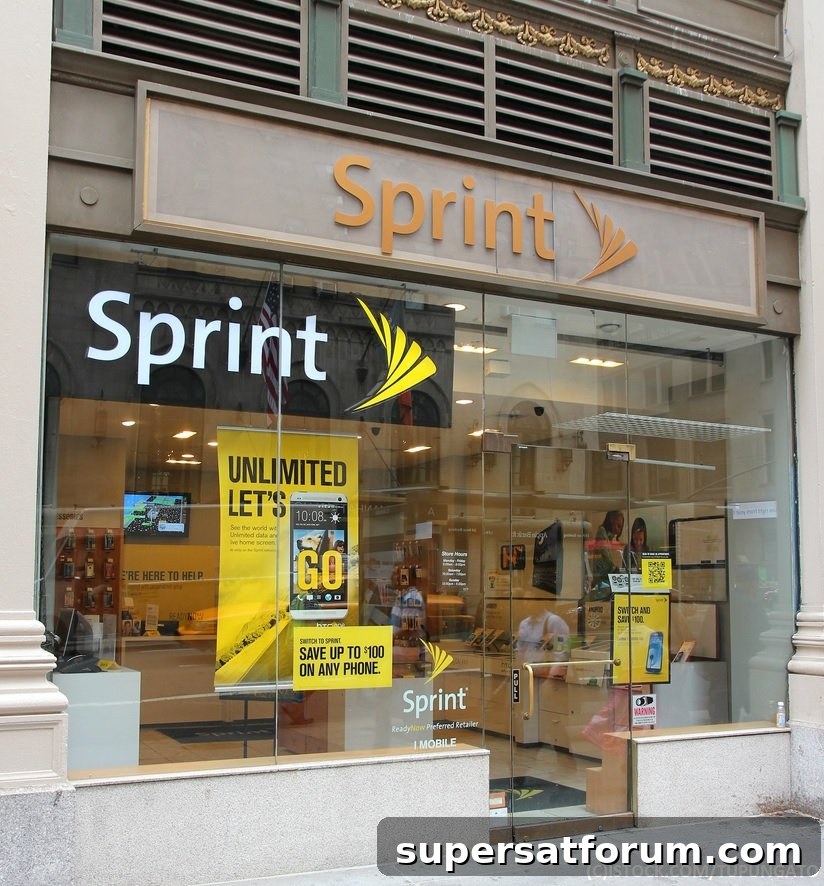
T-Mobile and Sprint have ended talks about a merger, with both companies saying they could not agree on mutually acceptable terms.
In statements released over the weekend, each company indicated it believes it can perform well independently. T-Mobile stressed that any deal would have to offer better long-term value than its current strong standalone performance, while Sprint emphasized the strength of its assets and said it would focus on advancing on its own.
“While we couldn’t reach an agreement to combine our companies, we certainly recognize the benefits of scale through a potential combination,” said Marcelo Claure, Sprint president and CEO. “However, we have agreed that it is best to move forward on our own. We know we have significant assets, including our rich spectrum holdings, and are accelerating significant investments in our network to ensure our continued growth.
“As convergence in the connectivity marketplace continues, we believe significant opportunities exist to establish strong partnerships across multiple industries,” Claure added. “We are determined to continue our efforts to change the wireless industry and compete fiercely. We look forward to continuing to take the fight to the duopoly and newly emerging competitors.”
T-Mobile’s response framed the situation differently. “The prospect of combining with Sprint has been compelling for a variety of reasons, including the potential to create significant benefits for consumers and value for shareholders,” said John Legere, president and CEO of T-Mobile US. “However, we have been clear all along that a deal with anyone will have to result in superior long-term value for T-Mobile’s shareholders compared to our outstanding standalone performance and track record.”
“Going forward, T-Mobile will continue disrupting this industry and bringing our proven Un-carrier strategy to more customers and new categories—ultimately redefining the mobile Internet as we know it,” Legere added.
Talk of a merger between the two carriers dates back to at least 2013. An earlier bid was dropped in August 2014 amid regulatory resistance, when Sprint was the number three U.S. wireless carrier and T-Mobile was number four.
Since then, market positions have shifted. According to industry data, as of Q2 2017 T-Mobile held roughly 16.9% market share in U.S. wireless subscriptions, ahead of Sprint at about 12.8%, and behind Verizon and AT&T, which held approximately 35.7% and 33.1% respectively. When John Legere became T-Mobile’s CEO in Q3 2012, the market shares were very different, with T-Mobile around 10% and Sprint near 17%.
In recent financial results, T-Mobile reported more than one million net additions for the 18th consecutive quarter, while Sprint posted its highest share of postpaid phone gross additions in the company’s history.
One day after the talks ended, SoftBank, Sprint’s majority owner, said it would increase its stake in the operator, though it did not plan to acquire the entire company. Masayoshi Son, chairman and CEO of SoftBank Group and chairman of Sprint, described Sprint as a critical component of SoftBank’s strategy to deliver widespread connectivity to American consumers.