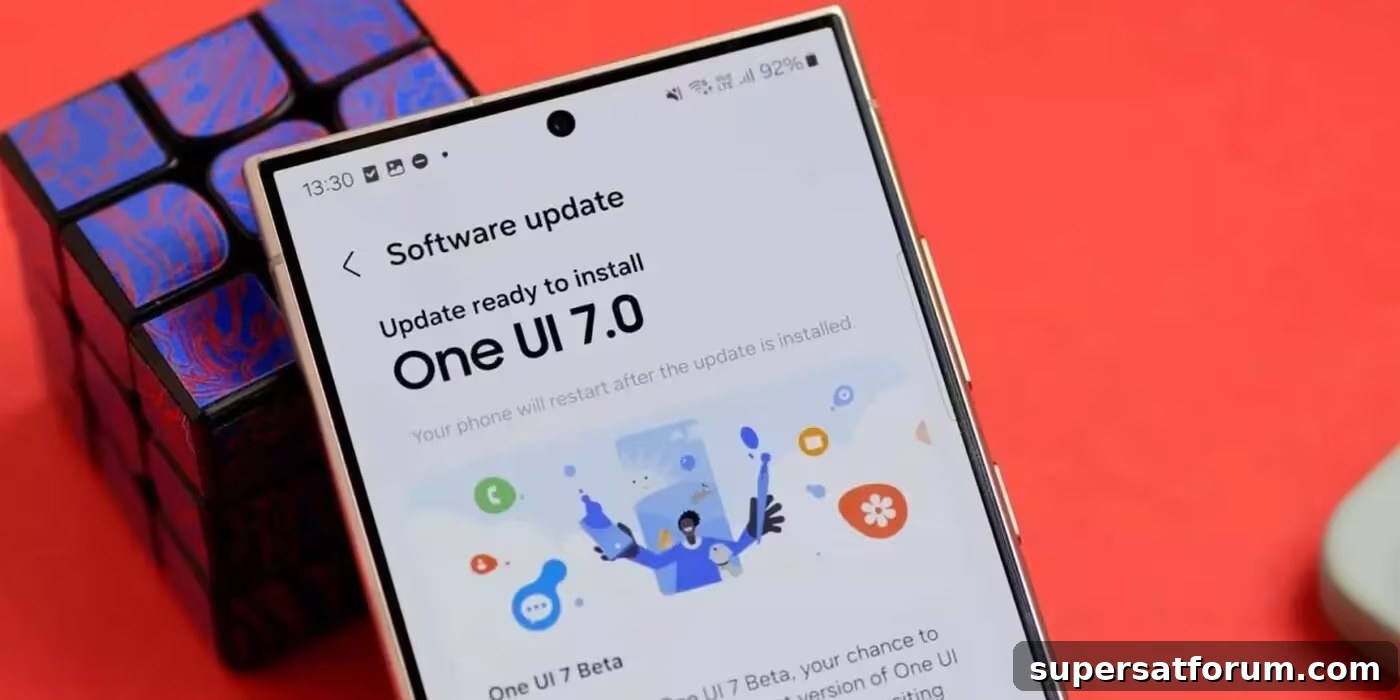
Google and Qualcomm have officially announced support for eight years of software updates for Android ecosystem partners. While this is an attractive and ambitious offer, uncertainty around the rollout of One UI 7 leaves me cautious about the promise’s practical benefits.
The Importance of Software Updates
Software updates are essential: they keep devices secure, add features, and extend usefulness after purchase. Regular updates improve performance, introduce new functionality, and help maintain user satisfaction over time.
Samsung at the Forefront
In the Android world, Samsung has emerged as a leader in providing long-term software support and monthly security patches. The company has built a reputation for promising up to seven OS upgrades for its flagship phones, setting an industry benchmark for post-sale care.
Competition: Pixel and Others
Google Pixel and Samsung Galaxy premium models each offer up to seven years of software support for high-end devices. By contrast, many Chinese manufacturers still lack comprehensive post-sale support strategies, leaving buyers with shorter update windows.
Benefits for Consumers
Extended software support is a clear win for consumers: it increases device longevity and protects the value of a significant purchase. Samsung’s commitment to seven-year updates for the Galaxy S24 series and upcoming Z Fold 6 and Flip 6 models demonstrates this trend. Those phones were designed with long-term support in mind and use Snapdragon 8 Gen 3 chipsets that help enable sustained compatibility and performance.
Challenges with One UI 7
Despite commitments, as of February 2025 none of the promised devices had received a major new update tied to One UI 7. Delays stem from the late development cycle and slow distribution of this software version.
One UI 7 represents a significant refresh: smoother animations, refined visuals, and a generally improved user interface intended to enhance the overall experience. However, the software has been held back by ongoing beta testing and stability concerns, leaving Galaxy S24 users waiting for a reliable public release.
This update was meant to be the first major delivery under the seven-year update program for one of 2024’s top smartphones. Over the past decade Samsung has steadily advanced its hardware and software integration, but the delayed rollout of One UI 7 highlights the complexities of upgrading a large, diverse device lineup.
Samsung’s Road Ahead
There are reasons to be optimistic about Samsung’s approach to software development: the company has consistently improved update policies and processes. Nevertheless, delivering years of updates and maintaining older models across many hardware generations remains a technical and logistical challenge.
Different device generations require separate development and testing tracks. As a result, phones launched two or more years earlier may need an extra two to three months—or potentially longer—to receive a new OS upgrade because manufacturers must ensure staged development and thorough stability testing.
The Galaxy S25 Ultra is expected to be among the first devices to ship with eight years of guaranteed updates. It will likely come with One UI 7 out of the box and receive One UI 8 (Android 16) as its first major upgrade. That would be a positive sign for S25 buyers, but meaningful progress will depend on Samsung accelerating development and rollout timelines and demonstrating reliable, timely updates in practice.