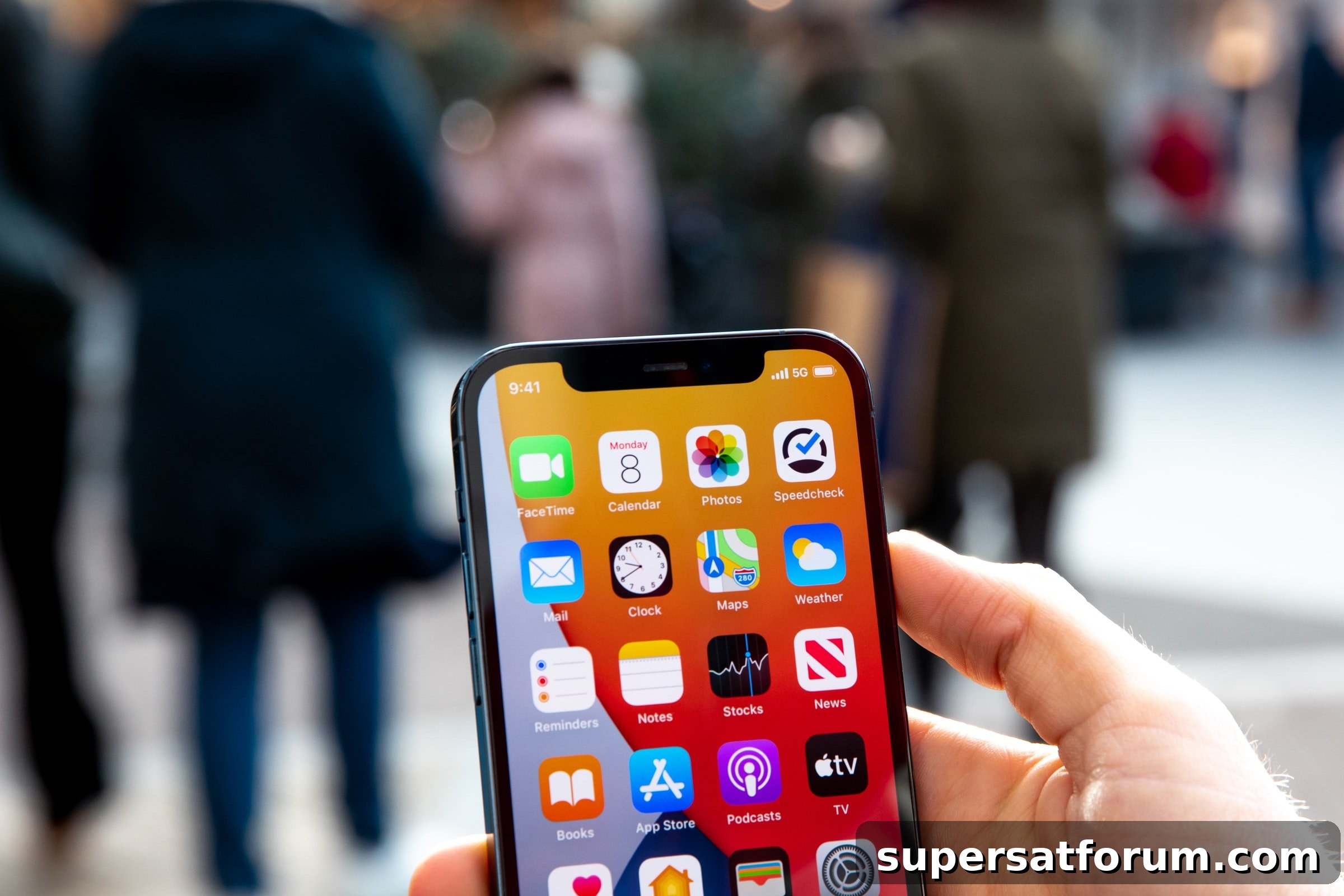
A joint report by InterDigital and Futuresource Consulting outlines audio and video experiences that will become possible only with 5G networks.
“Significant engineering and innovation has shaped the emergence of 5G, and we are beginning to realize the benefits of this enhanced wireless ecosystem—particularly for video and video-enabled experiences,” said Henry Tirri, Chief Technology Officer at InterDigital.
“This report, produced with Futuresource Consulting, highlights a wide range of 5G applications in the video domain, where consumers are increasingly demanding ubiquitous and immersive experiences.”
Each generation of mobile networks has enabled new applications. With its higher speeds, lower latency, and greater reliability, 5G will unlock fresh opportunities. Yet many consumers are still waiting for the applications that truly require 5G to emerge.
For the report, researchers sought “killer applications” that demonstrate why 5G does more than enhance existing services—it enables entirely new experiences. The authors also examined broader benefits that 5G will bring to audio-visual services.
According to the report, 5G will enable several important advances:
- Live broadcast video. The days of stuttering, delayed, and expensive mobile broadcasts are expected to fade. 5G will make it possible for influencers, journalists, and citizen reporters to stream near-real-time video with much higher quality and greater reliability.
5G promises to simplify and add flexibility to camera signal delivery, replacing the complex mixes of wired and wireless technologies previously required and reducing production costs for video delivery.
- Expanding reach. 5G will allow richer content to reach a wider range of devices, including AR and VR headsets.
Because LTE broadcast features are integrated into the 5G standard, 5G offers an alternative distribution path to satellite, cable, and terrestrial television. This can optimize bandwidth use and lower distribution costs.
- Transforming live events. 5G will change how live events are produced and experienced—especially in rural locations that lack fiber infrastructure. The pandemic accelerated remote production workflows, and 5G is positioned to support the media and broadcast industries’ future ways of working by extending bandwidth and improving transmission reliability.
Broadcasters already rely on wireless networks for tasks from uploading field reports to using LTE-enabled cameras at sporting events; 5G will further expand capacity and steadiness for these uses.
- Driving new VR and metaverse experiences. Interest is rising in how virtual reality and metaverse environments could change how we work and play, but earlier mobile networks often caused high latency that led to discomfort and limited adoption.
Combined with edge computing, 5G can deliver the ultra-low latency and high data density required for compelling mobile VR and metaverse experiences. Connecting future VR devices to cloud GPUs over 5G could also reduce device hardware requirements and cost, making advanced experiences more accessible.
- More efficient UHD content transmission through new codecs. Emerging codecs such as Versatile Video Coding (VVC) and Deep Neural Network Video Coding (DNNVC) will improve delivery of ultra-high-definition content, enabling higher quality streams to more users in more locations.
These compression advances—alongside existing codecs—allow richer video to be delivered at lower cost for providers and with lower latency to satisfy broadcaster demands.
“Unquestionably, all existing video applications will be ‘better on 5G,’” said Simon Forrest, Principal Technology Analyst at Futuresource. “The challenge now is for industry to develop new audio-visual experiences that can happen ‘only on 5G.’”
The full report is available from InterDigital (registration required).
(Photo by Frederik Lipfert on Unsplash)
Looking to update your digital transformation strategy? Learn about Digital Transformation Week events in Amsterdam, California, and London to discover practical strategies for advancing your digital initiatives.