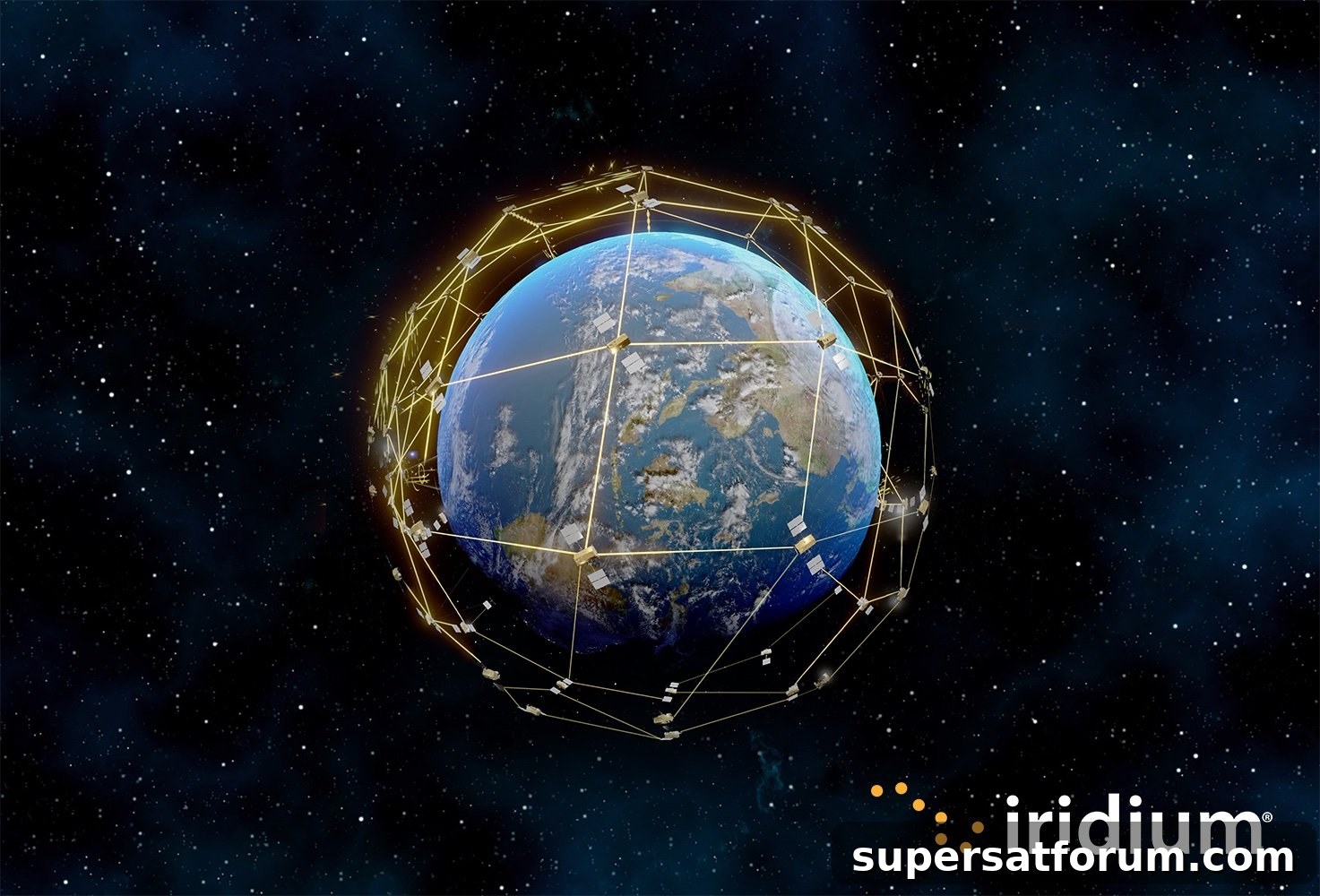
Qualcomm and Iridium have introduced Snapdragon Satellite, a satellite-to-cellular solution designed to bring two-way satellite messaging to next-generation Android smartphones.
Built to provide reliable communication from pole to pole, Snapdragon Satellite aims to deliver messaging coverage in remote, rural, and offshore locations where traditional cellular networks are unavailable.
“Robust and reliable connectivity is at the heart of premium experiences. Snapdragon Satellite showcases our history of leadership in enabling global satellite communications and our ability to bring superior innovations to mobile devices at scale,” said Durga Malladi, SVP and GM of Cellular Modems and Infrastructure at Qualcomm.
While the service can support recreational use, its most critical benefit is in emergencies. Satellite connectivity can provide a lifeline when conventional networks are down or out of range.
Apple’s recent collaboration with Globalstar to enable satellite emergency SOS on iPhones demonstrated this potential: within weeks of launch, multiple users reported that the feature helped save lives. In one instance, after a car went off a mountain cliff, an iPhone detected the crash and used satellite SOS to alert emergency services with the vehicle’s location, enabling a helicopter rescue within 30 minutes.
“If they hadn’t been able to get out the SOS, they could have spent overnight there, gotten wet, developed hypothermia,” said Sergeant John Gilbert, a deputy for the local sheriff’s department.
Snapdragon Satellite is intended to offer comparable emergency support for Android users, initially on devices powered by the Snapdragon 8 Gen 2 Mobile Platform.
“Our network is tailored for this service – our advanced, LEO satellites cover every part of the globe and support the lower-power, low-latency connections ideal for the satellite-powered services enabled by the industry-leading Snapdragon Satellite,” explained Matt Desch, CEO of Iridium. “Millions depend on our connections every day, and we look forward to the many millions more connecting through smartphones powered by Snapdragon Satellite.”
Qualcomm and Iridium say the service will utilize Garmin’s satellite emergency response capabilities. Garmin Response already supports thousands of SOS incidents each year and has a track record of assisting people in critical situations.
“Garmin welcomes the opportunity to expand our proven satellite emergency response services to millions of new smartphone users globally,” said Brad Trenkle, VP of Garmin’s outdoor segment. “Garmin Response supports thousands of SOS incidents each year and has likely saved many lives in the process. We look forward to collaborating with Qualcomm Technologies and Iridium to help people connect to emergency services no matter where life takes them.”
Looking beyond smartphones, Qualcomm and Iridium plan to extend Snapdragon Satellite to a broader range of devices, including laptops, tablets, vehicles, and IoT endpoints. This expansion aims to make satellite-backed messaging and emergency services widely accessible across consumer and vehicular applications.
“Working with a mobile technology leader such as Qualcomm Technologies and their powerful Snapdragon platforms allows Iridium to serve the smartphone industry horizontally – and offers us an opportunity to enable other consumer and vehicular applications in the future,” added Desch.
Related: SpaceX and T-Mobile recently announced their own satellite-to-cellular partnership, reflecting growing industry momentum behind satellite-enabled mobile services.
Interested in digital transformation? Digital Transformation Week convenes events in Amsterdam, California, and London and is co-located with the IoT Tech Expo. These conferences showcase strategies and technologies for enterprises pursuing digital transformation.
Explore other upcoming enterprise technology events and webinars powered by TechForge to stay informed about developments in connectivity, IoT, and digital transformation.