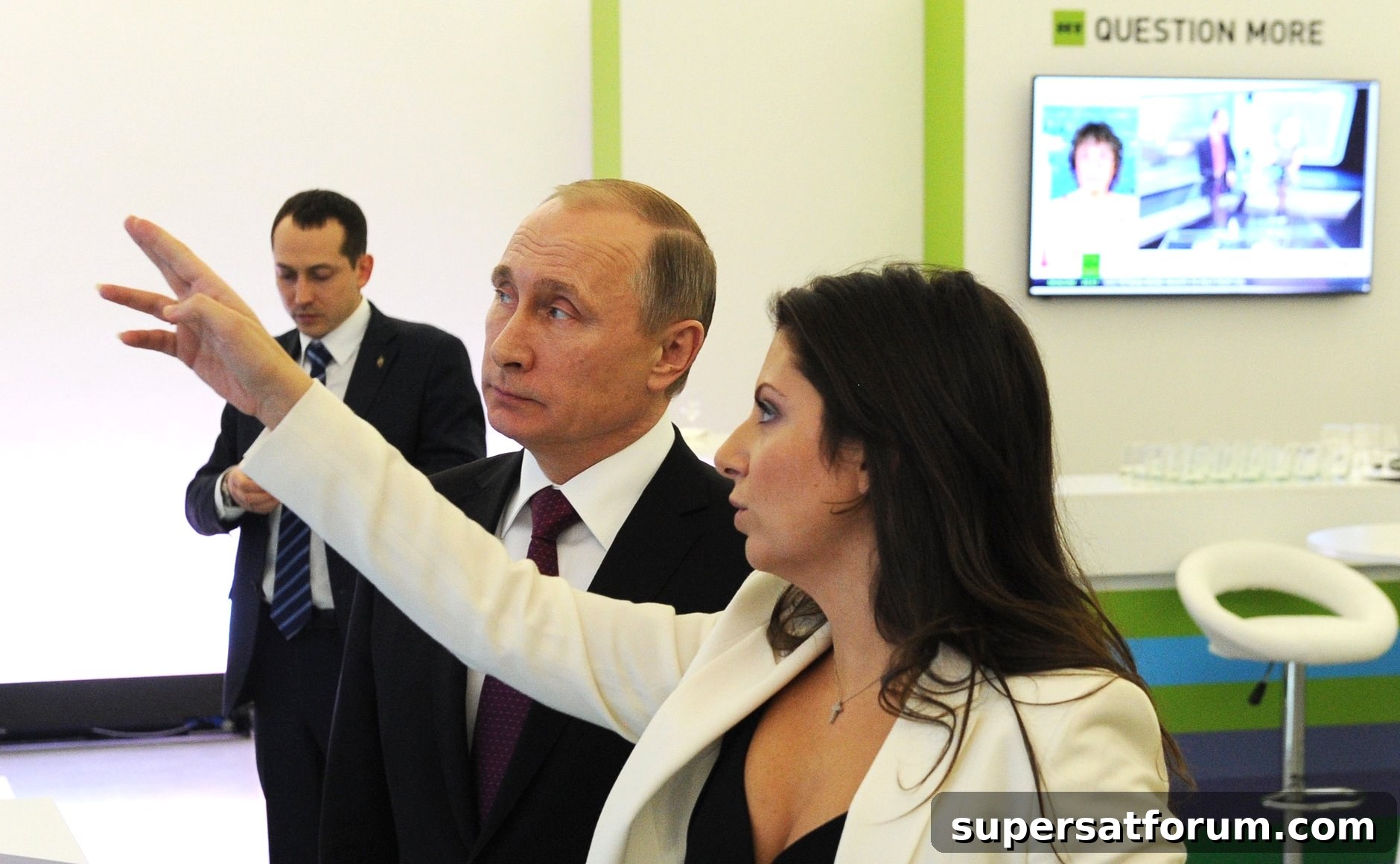
Ofcom has revoked the UK broadcast licence of Russian state news outlet RT with immediate effect.
Under UK broadcasting rules, impartiality is a legal requirement. Ofcom says it currently has 29 open investigations into RT’s coverage of Russia’s invasion of Ukraine amid concerns the channel is being used to disseminate Kremlin propaganda.
The regulator explained that the number and potentially serious nature of the issues raised within a short period are deeply concerning, particularly given RT’s compliance history, which includes a previous fine of £200,000 for failures of due impartiality.
Ofcom concluded it could not be satisfied that RT would be a responsible broadcaster in the present circumstances.
Dame Melanie Dawes, Chief Executive of Ofcom, said:
“Freedom of expression is something we guard fiercely in this country, and the bar for action on broadcasters is rightly set very high.
Following an independent regulatory process, we have today found that RT is not fit and proper to hold a licence in the UK.
As a result, we have revoked RT’s UK broadcasting licence.”
The decision arrives amid a wave of resignations from RT staff in the UK, Moscow and elsewhere. Several journalists have left in protest at Russia’s invasion and at the broadcaster’s coverage.
Shadia Edwards-Dashti, who joined RT in the UK in 2015 as a broadcast journalist, announced she had left the channel, thanking colleagues for the opportunity to work on issues she cared about.
According to reporting, Edwards-Dashti — a former Stop the War employee — was asked to cover the invasion and declined, resigning in response. Multiple other journalists left by midday that same day.
Kevin Owen, a senior RT news anchor and former BBC Wales newscaster, also resigned after 15 years at the channel, citing principle shortly after the invasion began.
RT had already been off the air in the UK following EU sanctions imposed after the invasion. Reports indicate the channel has struggled to find English-speaking journalists willing to appear on its programmes.
In Moscow, Jonny Tickle, who had worked for RT for two years, handed in his notice on the day the invasion began, saying his resignation was a protest against the war rather than RT’s reporting. He told the Press Gazette that the newsroom was caught off guard and that the invasion prompted many colleagues to quit in protest.
In its Russia-facing coverage, RT has echoed the Kremlin’s framing of the conflict as a “special operation” aimed at “demilitarising” and, using the Kremlin’s language, “denazifying” Ukraine. That narrative has been widely criticised, including because of its inflammatory and historically charged terminology.
Limited access to independent news within Russia means many citizens encounter chiefly state narratives. Nevertheless, some Russian journalists have risked severe penalties, including lengthy prison sentences, to speak out against the invasion.
One notable protest came from Marina Ovsyannikova, an editor at state-controlled Channel One, who interrupted a major live news broadcast to denounce the invasion of Ukraine.
RT’s Deputy Editor-in-Chief Anna Belkina defended the broadcaster, saying critics had not pointed to specific factual errors in RT’s reporting and arguing that the channel’s perspective was being excluded from “free media” environments. She said the exclusion of alternative viewpoints strengthened public mistrust in established media.
When asked last month whether RT should be banned, Prime Minister Boris Johnson told Parliament he believed it was right to leave such decisions to Ofcom rather than politicians, saying that the UK should not act like Russia by politicians deciding which media to ban.
Ofcom’s revocation of RT’s licence reflects its determination that revoking the broadcaster’s licence is presently in the public interest.
(Image Credit: Kremlin.ru used without changes under CC BY 4.0)
Interested in learning more about 5G and industry opportunities? Check the 5G Expo series for events focused on enterprise technology. Upcoming dates include Santa Clara, Amsterdam and London in 2022.
Explore other upcoming enterprise technology events and webinars from TechForge for further information on industry conferences and sessions.