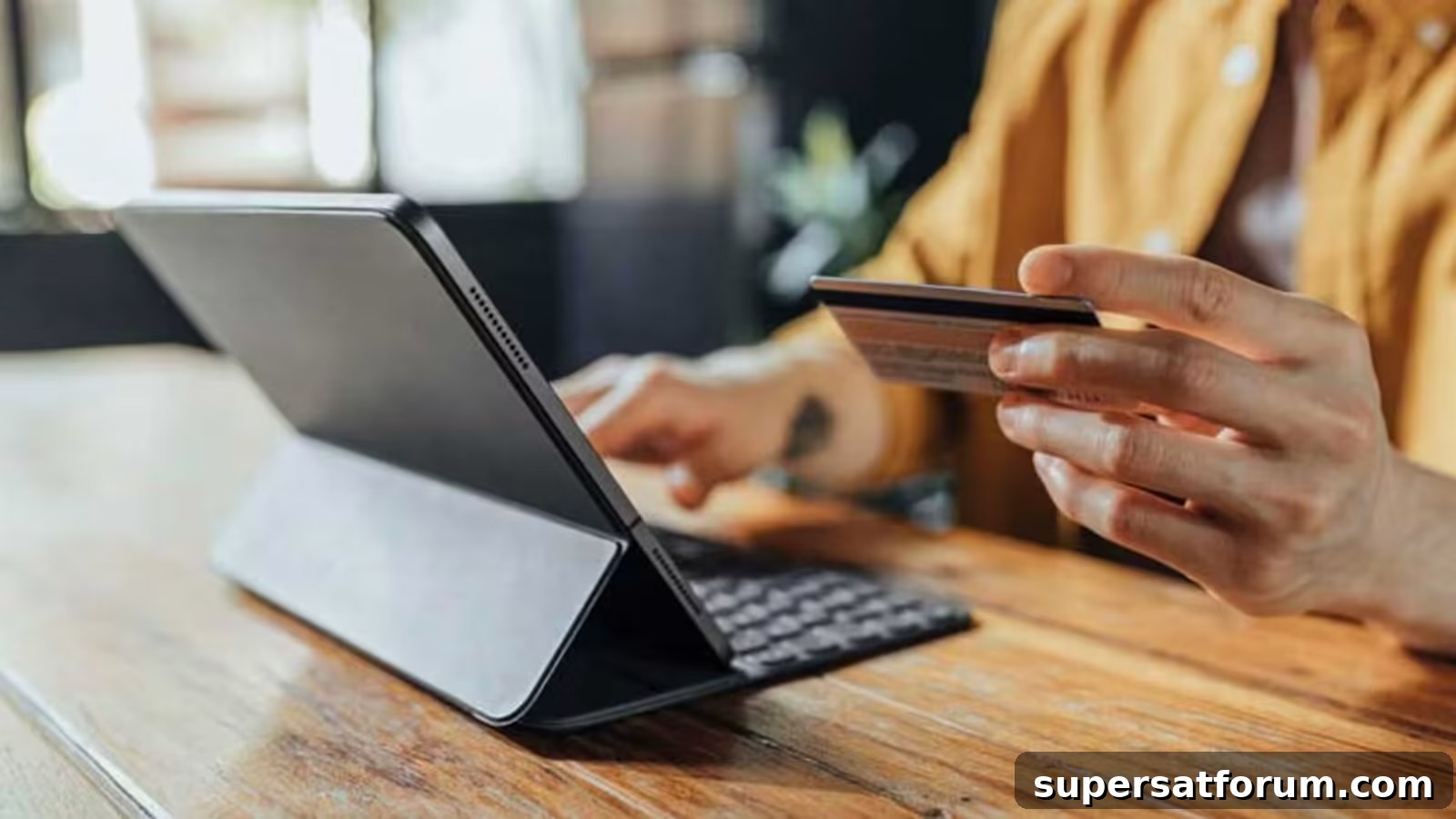
As e‑commerce has surged in recent years, consumer fraud tied to digital shopping behavior has become increasingly apparent. New statistics from Visa, a global leader in digital payments, show that fraud related to online purchases in Sweden rose by nearly 10 percent during last year’s holiday shopping period.
Today many people make purchases via social media advertisements. A survey conducted by Verian (formerly Kantar Public) on behalf of Visa found that three in ten Swedes reported making a purchase after seeing a social media ad in the past 12 months. Fraud attempts are also common on social platforms: 34 percent of Swedes who have seen ads on social media believe those ads were connected to fraud.
Globally, fraudsters are targeting large sums. Last year Visa prevented fraudulent transactions totaling roughly SEK 283 billion (USD 27 billion). Visa is urging consumers to stay vigilant ahead of the holiday shopping season.
Fredrik Lindquist, Head of Visa Sweden, comments on the survey:
“It’s not surprising that fraudsters try to steal consumer or account details during online holiday shopping. They exploit the typical stress experienced by shoppers hunting for bargains and unique gifts online. Many consumers feel confident they can spot scams, yet in reality as many as four out of five people check the wrong details when making purchases online.”
Visa’s survey also found that 15 percent of Swedes have seen ads in which well‑known people appear to be used to promote goods or services as part of a scam on social media.

Fredrik Lindquist continues:
“Fraud is constant, and the pandemic made it clear that criminals find new ways to reach consumers. It ranges from text messages where someone pretends to be a friend asking a parent for money to offers promising everything from better interest rates to puppies.”
Digital tools play a crucial role in stopping fraud, and recent advances in artificial intelligence (AI) are particularly important.
Fredrik Lindquist explains further:
“Our AI systems analyze data from 3.8 billion payment cards, helping to block nearly all fraud attempts on our platforms every day. This allows us to process more than 76,000 transactions per second and ensure that legitimate payments go through. With these tools and our commitment to 24/7 monitoring, consumers can trust that Visa’s experts are continuously working to counter fraud, even during the busiest days of the year.”
10 Habits for Safer Shopping
1. Shop only on trusted, secure websites
Look for “https” in the URL and a padlock icon in your browser’s address bar. These indicators show the site uses encryption to protect your data.
2. If it seems too good to be true, it probably is
Scammers often lure victims with unbelievable offers. If a deal seems too good to be true, it likely is.
3. Use secure payment methods
Payment cards and mobile wallets provide robust fraud protection. Be cautious about sending direct bank transfers and make sure you trust the recipient.
4. Be wary of emails and texts from unknown senders
Phishing is common during the holiday season. Never click links in messages you don’t recognize or for orders you didn’t place, and avoid sharing personal information.
5. Keep your phone and computer updated
Regular updates often include security patches that protect against new threats. Ensure your devices and software are up to date.
6. Don’t reuse passwords and enable two‑factor authentication
Use unique passwords for all accounts and enable two‑factor authentication (2FA) to make it harder for fraudsters to access your information.
7. Monitor your bank and credit card statements
Regularly check your statements for unauthorized transactions and enable transaction alerts where possible.
8. Watch out for fake charities
During the holidays, new charities may appear. Verify organizations before donating—for example, check whether they are subject to independent oversight and controls.
9. Protect your personal information
Only share personal information when absolutely necessary. Be aware that fraudsters can use AI to mimic voices or messages, so verify requests for personal data even if they appear to come from friends or family.
10. Browse securely
Shopping on public Wi‑Fi carries risk—attackers can intercept your data. It’s safer to shop on a trusted home network or use a VPN.
- Visa Data Net: Exact increase 9.9%
- Survey by Verian on behalf of Visa. Based on 1,015 web interviews in Sweden between 27–29 November 2023
- Survey conducted by Wakefield Research in collaboration with Visa, “Fraudulese: The Language of Fraud” 2022
- Survey by Verian on behalf of Visa. Based on 1,015 web interviews in Sweden between 27–29 November 2023