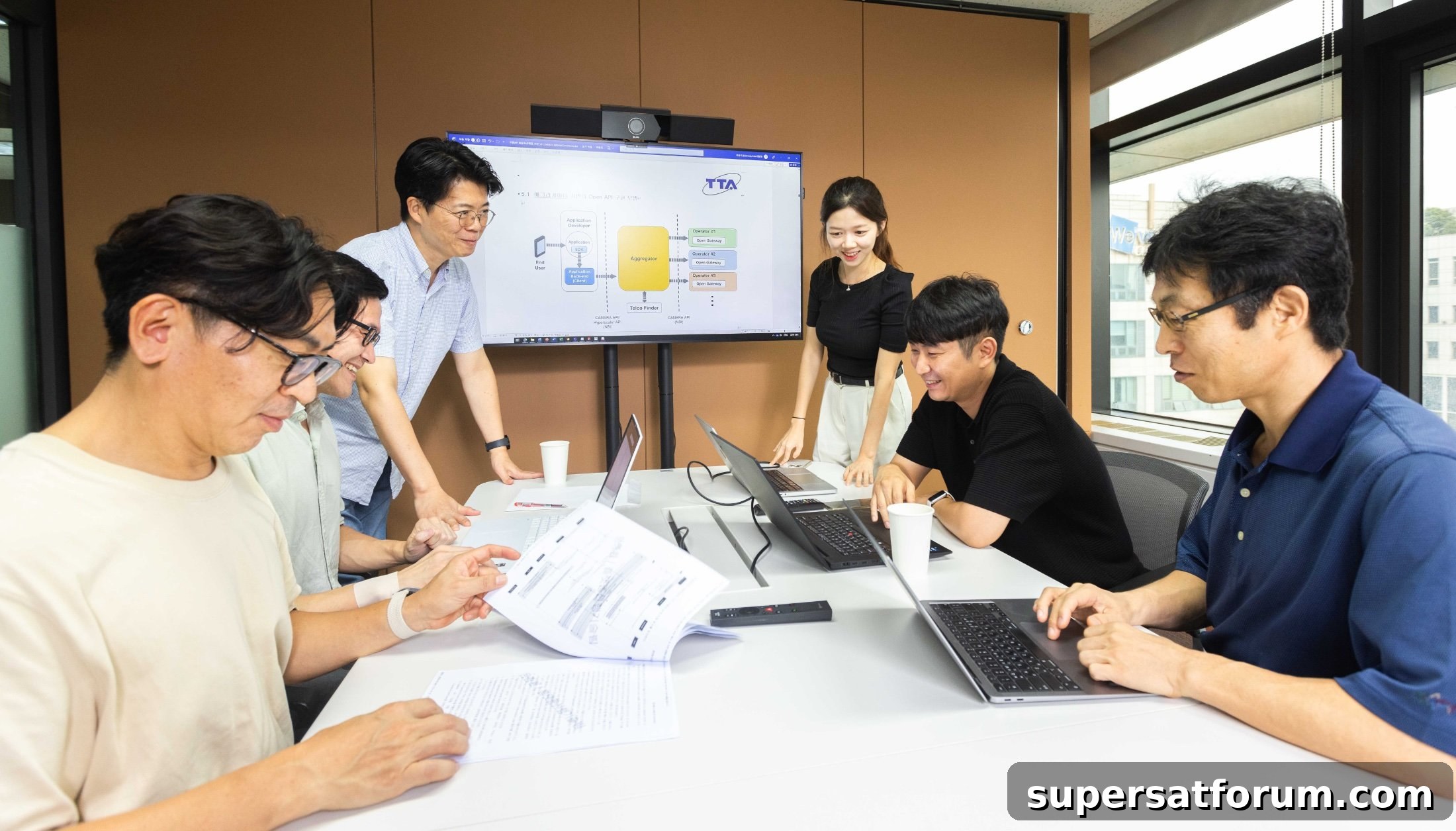
South Korea’s three leading telecom operators—SK Telecom, KT, and LG U+—have signed a memorandum of understanding (MOU) to create and adopt a unified Network Open API standard. The agreement is designed to speed digital transformation across the industry, simplify integration for developers and businesses, and improve compatibility with international services.
Historically, each operator provided its own application programming interfaces (APIs), allowing external developers to connect services to their networks. While these individual APIs spurred innovation, the absence of a common standard increased development complexity and extended time-to-market for multi-network solutions.
To address these challenges, the three telcos have committed to developing a shared API standard that will streamline development processes, reduce integration costs, and lower barriers to entry for startups and enterprises looking to build on mobile network capabilities.
The move reflects a wider industry trend toward collaborative API standardisation promoted by global organisations. Initiatives such as GSMA’s Open Gateway and projects supported by groups like CAMARA are encouraging operators to align on common interfaces and practices, enabling more consistent, secure, and interoperable services worldwide.
Ryu Tak-ki, Head of Infrastructure Technology at SK Telecom, described the changing role of the network: “The network is evolving beyond simple connectivity into an infrastructure that enables new services with AI and information-based APIs. By cutting development costs for external customers and accelerating service launches, we hope to create a virtuous cycle of innovation.”
Through the Korea Telecommunications Technology Association (TTA), the three companies have already agreed on six initial network API standards. These first standards prioritise personal information protection, mobile financial security, and communication quality, all critical areas for trustworthy and reliable mobile services.
Among the initial APIs is a Number Verification service that improves security and user convenience compared with traditional SMS-based one-time passwords (OTPs). Paired with a SIM Swap API, these capabilities aim to strengthen mobile authentication and reduce fraud targeting mobile-based financial services.
This collaboration also ties into international efforts. SK Telecom, for example, is coordinating with global operators—including Deutsche Telekom—through partnerships like the Global Telco AI Alliance to drive service innovation on shared standards and to develop AI-enabled telco services at scale.
Lee Jong-sik, head of KT Network Research Institute, emphasised the implication for both domestic and overseas markets: “Through this MOU, we will provide a variety of services based on common network APIs for domestic and international markets. We will promote technology development and standardisation to support customer needs globally in areas such as service quality, authentication, and security enhancements.”
Lee Sang-heon, Head of NW Advance Development at LG U+, added that the partnership lays the groundwork for new customer value: “This cooperation among the three telecom companies opens the door to innovative services that provide fresh value to customers. We will work to be the foundation for driving digital innovation forward.”
By aligning on common Network Open APIs, SK Telecom, KT, and LG U+ are signalling a new era of cooperation within South Korea’s telecom sector. The unified standard is expected to unlock faster innovation, reduce fragmentation for developers, enhance security and service quality, and create a stronger platform for international interoperability and collaboration.
See also: Beijing pushes major Chinese telcos to raise dividends

Unified Communications is a two-day event held in California, London, and Amsterdam that explores the future of workplace collaboration in a digital world. The event is co-located with Digital Transformation Week, IoT Tech Expo, Edge Computing Expo, Intelligent Automation, AI & Big Data Expo, and Cyber Security & Cloud Expo.
Discover other upcoming enterprise technology events and webinars powered by TechForge.