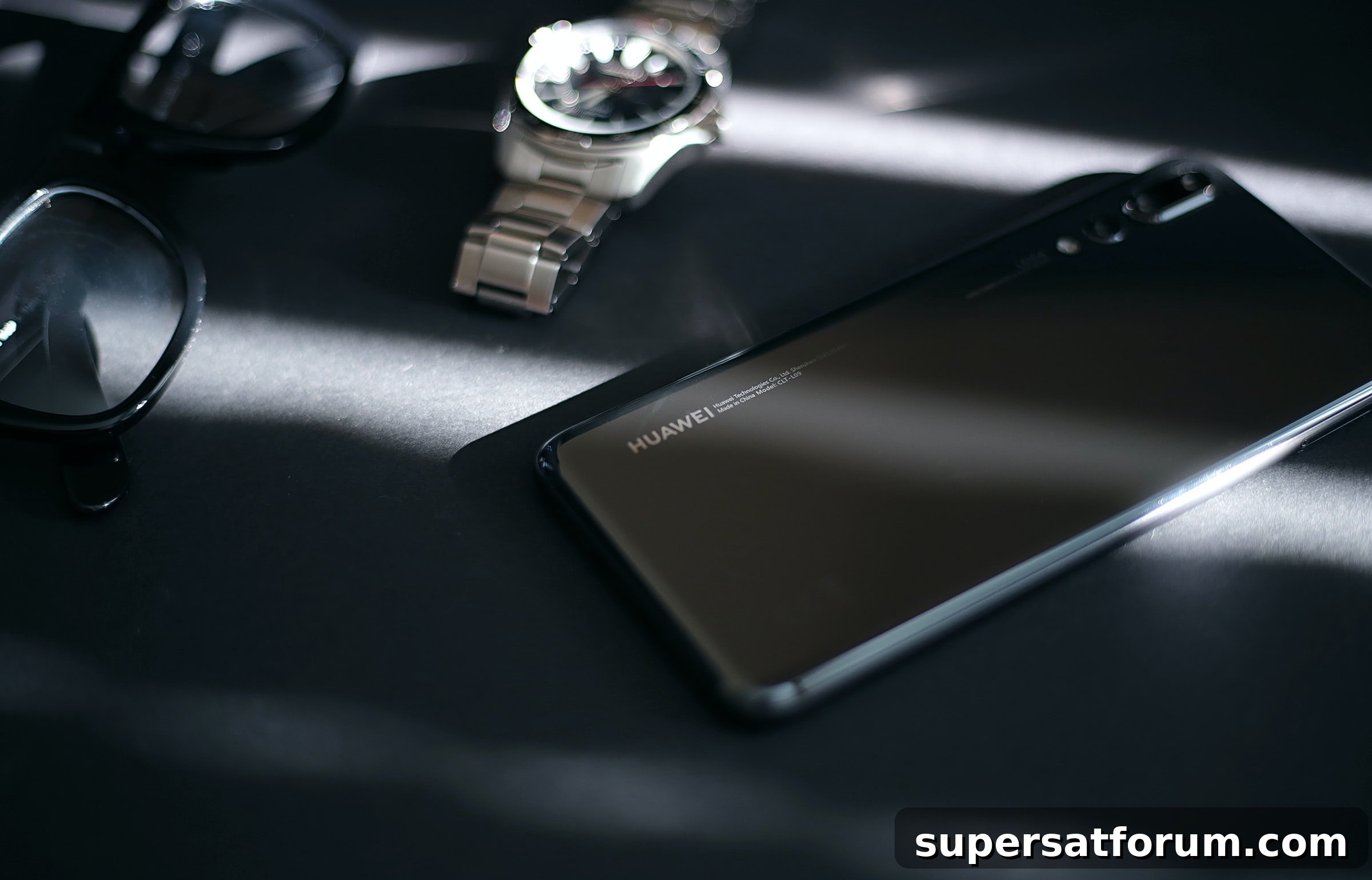
Huawei appears to be getting a modest reprieve from the US trade restrictions that have pressured the company over the past year.
Earlier this year, Huawei was placed on the US Chamber of Commerce’s so‑called Entity List, which bars American companies from doing business with Huawei without explicit permission. The restriction was reinforced in July when the FCC officially designated Huawei as a national security threat.
Although Huawei has been increasing production of its own components, the company still depends on some parts sourced from US firms.
In recent weeks there have been reports — unconfirmed — suggesting a slight softening of the US stance: several key American companies may have been granted licenses to export certain components to Huawei.
Any relief for Huawei is likely to be limited. According to the reports, the licenses cover only 4G‑related components, while restrictions on 5G equipment remain stringent.
One of Huawei’s biggest setbacks has been its inability to source components from Qualcomm. Additional US restrictions have also made it difficult for Huawei to continue producing its Kirin processors in the way it once did.
Kirin chips relied on a range of American technologies. Some security analysts argue that the risk to Western networks has increased as Huawei sources more components from outside the US — a concern that contributed to the UK reversing its earlier decision to allow Huawei equipment in national 5G infrastructure.
The US government contends that Huawei is influenced by Beijing and therefore poses a national security risk. Huawei strongly denies these claims and has offered equipment inspections in most countries where it operates.
Although worries about Huawei’s role in telecom networks have existed for previous generations of technology, the anticipated role of 5G in critical infrastructure has intensified scrutiny of all vendors. The US has pushed its Five Eyes partners — the UK, Canada, Australia, and New Zealand — to exclude Huawei gear in order to protect the integrity of key intelligence collaborations.
Political considerations have also shaped decisions in many Western countries to limit or ban Huawei equipment. These factors include concerns over Hong Kong’s national security laws, reports of detention and reeducation of Uighur Muslims, alleged state‑sponsored cyberattacks, and Beijing’s handling of the coronavirus pandemic.
In October, Sweden became one of the latest countries to ban Huawei’s equipment. The Swedish telecom regulator said the influence of China’s one‑party state on private companies creates a strong incentive for those companies to act in line with state goals and the Chinese Communist Party’s national strategies.
Earlier, Sweden’s state‑owned space company announced it would not renew contracts with Chinese partners or accept new business from China, citing shifts in geopolitics.
Many nations are arriving at their own conclusions about whether Chinese vendors such as Huawei present a national security risk, but there is little doubt about the influence of US policy. Huawei will be watching closely to see whether the incoming Biden administration adopts a more conciliatory approach toward the company.
(Photo by Alex Escu on Unsplash)
Interested in industry discussions on topics like this? Attend co‑located events such as the 5G Expo, IoT Tech Expo, Blockchain Expo, AI & Big Data Expo, and Cyber Security & Cloud Expo, which host conferences in locations including Silicon Valley, London, and Amsterdam.