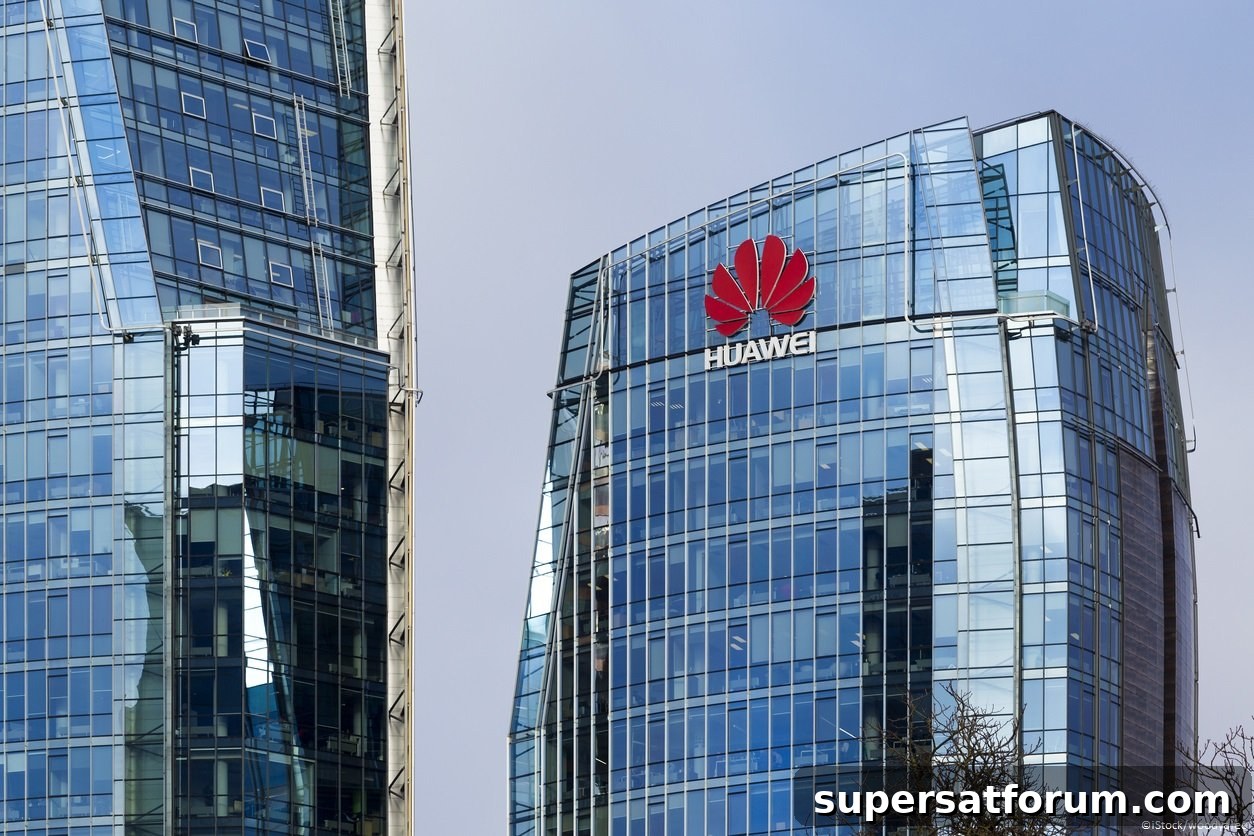
As the debate over whether to exclude Huawei from 5G networks continues, the Chinese vendor has launched a direct appeal to the UK public.
Huawei is under significant pressure following coordinated action led by the United States. Washington has urged allies to ban the company from 5G infrastructure on national security grounds and has warned of reduced intelligence sharing with countries that do not comply. Unsure of the risks, some network operators are increasingly turning to Western vendors for equipment.
In addition to restrictions on network participation, Huawei’s placement on a US trade blacklist has threatened its global consumer device business. Before temporary relaxations were announced, the company faced blocks on Android updates, lost partnerships with firms such as ARM, Qualcomm, Broadcom, and Intel, and faced exclusion from industry bodies including the Wi‑Fi Alliance, the SD Association, and the Bluetooth SIG.
These developments have damaged Huawei’s public image. Rapid depreciation of its flagship smartphone’s resale value is one sign of shifting consumer confidence.
Huawei has previously used public advertising to shape opinion. Earlier this year the company took out a full‑page advertisement in the Wall Street Journal, urging readers not to accept every report at face value and inviting US media to visit its Chinese headquarters.
Journalists who participated in paid and tightly guided tours of Huawei’s facilities in China found no obvious cause for alarm, though observers have noted restrictive policies such as bans on audio recordings during some interviews.
Mirroring its earlier US campaign, Huawei is now appealing directly to people in the UK. A recent Facebook advertisement emphasizes unity and suggests that improved connectivity “brings a nation together,” a message that appears to resonate with divisions linked to Brexit. The ad also highlights connectivity’s role in supporting the economy, tapping into wider concerns about global trade tensions, particularly the US‑China dispute in which Huawei has been caught.
Following the advertisement’s call to action, the link directs users to a Huawei UK facts page that lists investment figures, job creation, tax contributions, R&D partnerships, and other economic contributions. The page is clearly designed to reframe Huawei’s presence in the UK as positive and beneficial.
At the bottom of that page Huawei stresses that it is “a 100% privately held company” and asserts that cybersecurity and privacy protection are top priorities.
Concerns from UK intelligence
Because of its close alliance with the US, the world has watched the UK’s response closely. A leaked summary of a National Security Council meeting suggested the UK might permit Huawei equipment in “non‑core” parts of 5G networks, but the government has consistently said no final decision has been made and that security reviews will guide policy rather than external pressure.
Still, senior UK cybersecurity officials have issued stark assessments of Huawei. Ian Levy, Technical Director of the UK’s National Cyber Security Centre (NCSC), said Huawei’s engineering practices differ from Western peers and concluded that, in his view, security standards were objectively weaker and that the UK must learn to manage those risks.
Levy added that he had not seen sufficient progress from Huawei in addressing these issues, a view echoed by other security officials.
The UK hosts a dedicated facility, the Huawei Cyber Security Evaluation Centre (HCSEC) in Banbury, which evaluates Huawei equipment before it is used in national infrastructure and publishes annual reports. Until the previous year, HCSEC’s advice suggested the risks associated with Huawei equipment were mitigable, though the 2018 report raised concerns about aspects of Huawei’s engineering processes. Huawei said it welcomed the findings and would work to address the issues.
In its most recent assessment, HCSEC concluded that Huawei had not satisfactorily addressed previous concerns and criticized the company’s slow progress. The report also identified further technical issues that could pose risks to UK networks.
Western governments’ primary worry centers on possible influence by the Chinese state over Huawei, and the prospect that the company could be compelled to assist with state intelligence activities. Huawei consistently denies that it operates under Chinese government control.
During a recent visit to the UK, Huawei’s chair Liang Hua said the company would be open to signing a “no‑spy” agreement. Huawei’s founder, Ren Zhengfei, has also stated publicly that he would rather close the company than comply with any order to conduct state surveillance.
In a foreword to a report from the Henry Jackson Society, former MI6 chief Sir Richard Dearlove wrote that no part of the Chinese state can be presumed free from Communist Party control, and therefore engagement with Huawei may present a potential security risk to the UK.
Interested in hearing industry leaders discuss topics like this? Consider attending technology industry events such as IoT, blockchain, AI and cybersecurity expos where leaders and experts debate the implications of 5G, supply chains, and national security.