Huawei Chief Financial Officer Meng Wanzhou suffered a legal setback on Wednesday when a Canadian court ruled that her extradition case to the United States can proceed.
Meng faces US accusations that she used Huawei subsidiaries to evade sanctions imposed on Iran. Canadian authorities arrested her at Vancouver International Airport on 1 December 2018.
Meng, who is the daughter of Huawei founder Ren Zhengfei, has been described by company executives as crucial to the firm’s operations.
She denies the charges. Her defence lawyer, Richard Peck, argued that Canada is being asked to enforce US sanctions through the extradition request.
Associate Chief Justice Heather Holmes told the Supreme Court in Vancouver that the offences alleged by the US would have also been criminal in Canada at the time of Meng’s arrest.
“On the question of law posed, I conclude that, as a matter of law, the double criminality requirement for extradition is capable of being met in this case,” Holmes said.
Holmes added that refusing to proceed with the extradition would significantly hinder Canada’s ability to meet its international obligations in cases involving fraud and other economic crimes.
The case has strained relations between Ottawa and Beijing. China warned the decision would cause “continuous harm to China-Canada relations” and has repeatedly criticized the proceedings as politically motivated.
In an apparent act of retaliation after Meng’s detention, China arrested two Canadians—former diplomat Michael Kovrig and businessman Michael Spavor—heightening diplomatic tensions.
Outside the courthouse, protesters chanted slogans including “No Huawei in Canada” and “Free the two Michaels,” referencing Kovrig and Spavor.
Canadian Prime Minister Justin Trudeau defended the process last week, saying the country’s judicial system operates independently of political interference. “China doesn’t work quite the same way and doesn’t seem to understand that,” he commented.
The case has also exacerbated already tense US-China relations, which are divided over trade, Hong Kong’s future, pandemic responses, and broader international security concerns.
The US has increasingly pressured allies to limit or ban Chinese telecommunications equipment on national security grounds, a stance that underpins part of the legal and political debate surrounding Huawei.
Following the ruling, a spokesperson for the Chinese embassy in Canada told CBC News that the US aims to undermine Huawei and other Chinese high-tech companies and accused Canada of acting as an accomplice, describing the matter as a serious political incident.
A separate hearing is scheduled next month to consider allegations that Canadian officials did not follow proper legal procedures when detaining Meng. Even if the court recommends extradition, the final decision rests with Canada’s federal justice minister.
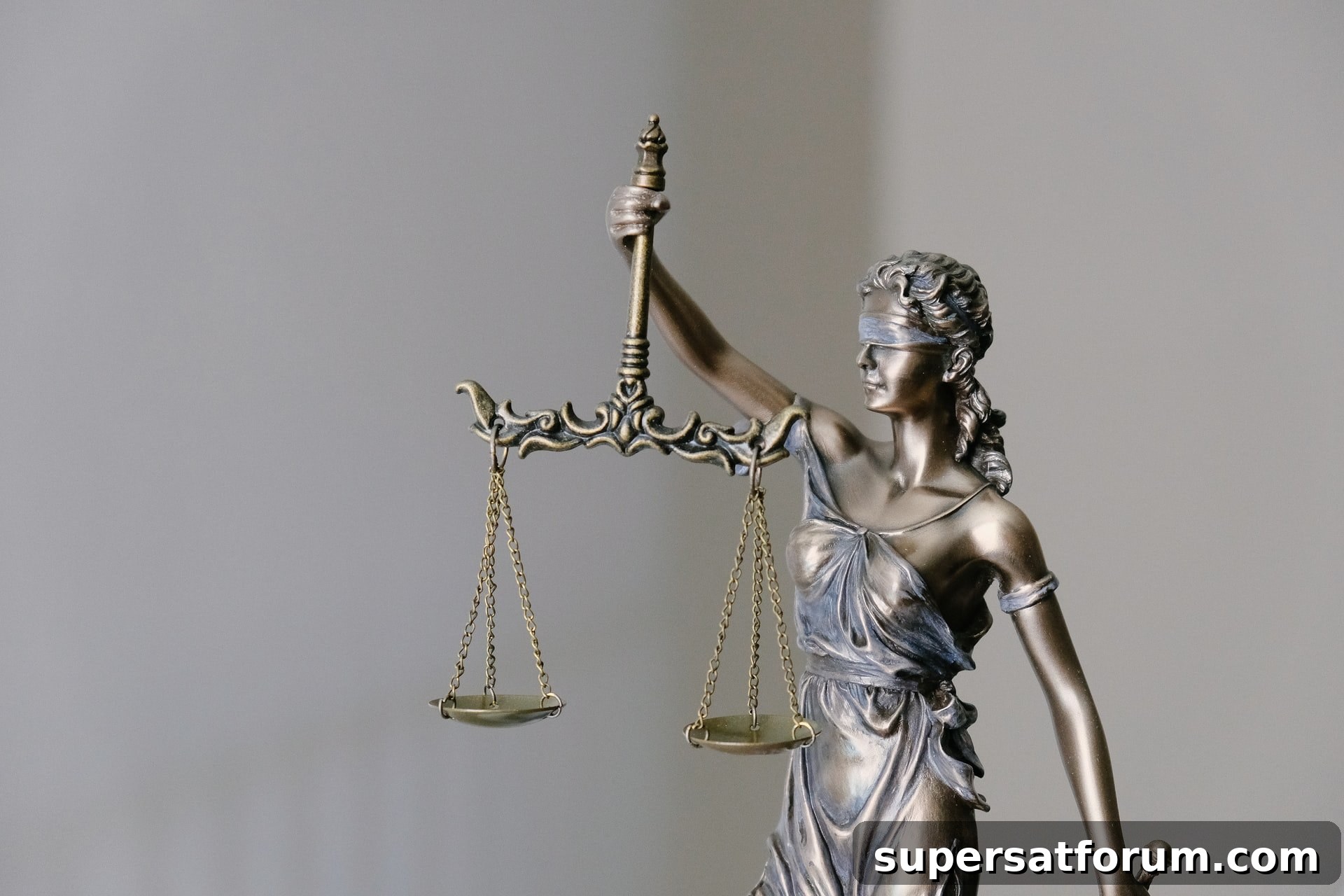
(Photo by Tingey Injury Law Firm on Unsplash)
Interested in hearing industry leaders discuss topics like this? Attend co-located technology events that bring together experts in 5G, IoT, blockchain, AI and big data, and cybersecurity and cloud technologies at upcoming expos in major tech hubs.