A great CRM system should be affordable and provide clear value for its cost. When choosing CRM software, focus on solutions that match your company’s needs: features that genuinely support daily work without introducing unnecessary complexity. Before investing, research thoroughly so you understand what the system can and cannot do.
Complex CRM platforms often dampen employee motivation. If staff members cannot easily learn the system, it will require extensive training and reduce productivity. Time spent mastering an overly complicated tool is time taken away from core business activities. Look for a CRM with a clear, intuitive interface and a focused set of functions: fewer, well-designed features are usually better than an overwhelming number of capabilities. Choosing a user-friendly system helps maintain morale and encourages consistent daily use, which benefits the organization as a whole.
One primary goal of adopting CRM is to simplify business operations. Make sure the system you select can handle the tasks your team needs to complete. Many companies require access from the field or from remote locations, so verify that the CRM supports reliable remote access and can deliver information when it’s needed most. Evaluate the vendor’s support for mobile or remote connectivity and how well the system integrates with other tools—such as phone systems—so your team can provide seamless service anywhere they work.
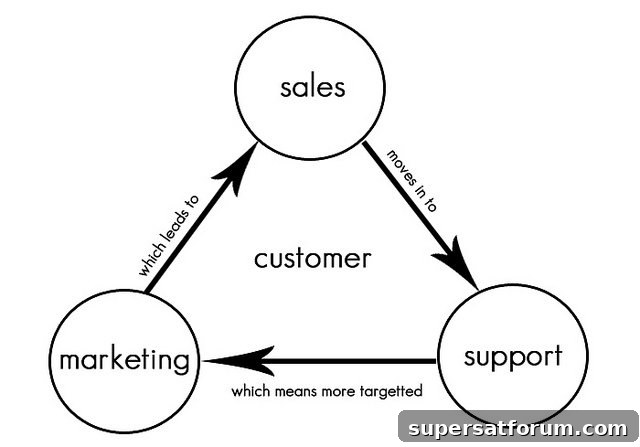
A good CRM should do more than store contact data. It should improve key business areas such as sales pipeline visibility, marketing campaign tracking, and customer service responsiveness. Look for systems that include operational reporting, performance dashboards, built-in query tools, and other business intelligence features. These capabilities help measure successes and identify problems in customer interactions, enabling data-driven decisions that support customer relationships and business growth.
Regularly evaluating your CRM’s performance is essential. Assessment reveals where customers are dissatisfied, why new customer acquisition may be low, and where churn risks exist. Early detection of these issues gives your organization the opportunity to adjust processes or tools before losing customers. Choose the right CRM for your needs, deploy it fully, and use its reporting and analytics to continuously improve customer experience and drive business results.