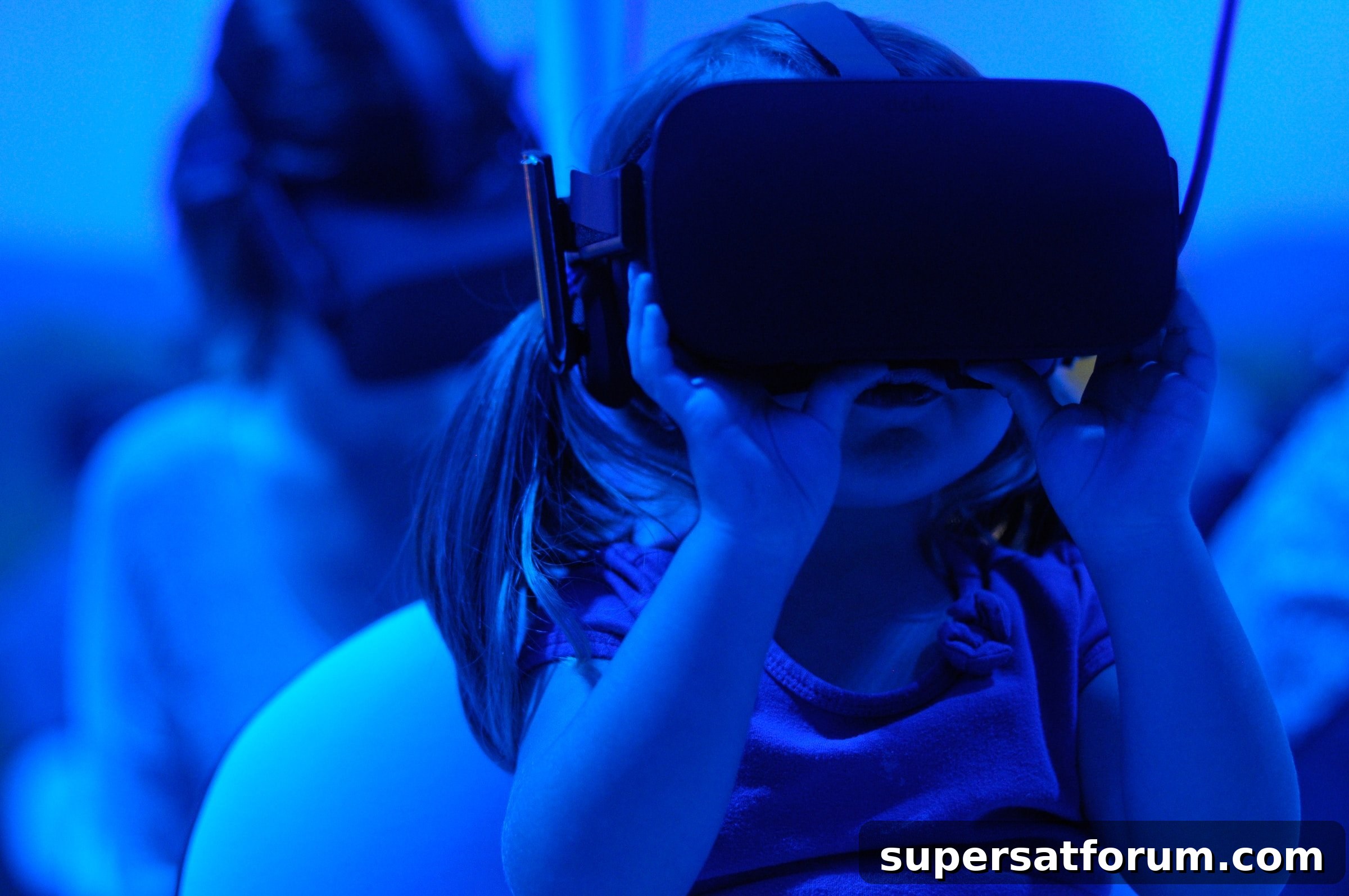
The Federal Communications Commission (FCC) has authorized low-power wearable devices, including augmented reality (AR) and virtual reality (VR) headsets, to operate in the 6 GHz frequency band without requiring an individual license. This decision responds to a growing influx of mixed-reality products and aims to enable broader consumer and commercial use of the spectrum.
Allowing low-power devices into the 6 GHz band promises faster data transfer, wider bandwidth, and reduced latency for wearable and mobile applications. The FCC says the move will help drive economic growth, encourage innovation, and improve user experiences by supporting richer, more responsive wireless connections.
Major technology companies—including Meta, Apple, and Google—petitioned the FCC beginning in 2020 to open the band to low-power AR/VR wearables. Recent and forthcoming product launches, such as Meta’s Quest 3 and Apple’s Vision Pro, illustrate the market momentum behind mixed-reality devices. Both Meta and Apple are also developing smart AR eyewear, which could benefit from expanded 6 GHz access.
The new rules make it easier for AR/VR headsets to connect with smartphones and other devices, and to share navigation or sensor data with vehicles and infrastructure. Those capabilities could unlock new interactive experiences and practical applications as immersive platforms and the broader “metaverse” continue to evolve.
At the same time, the FCC has specified safeguards to protect existing, licensed services that already use parts of the 6 GHz band. The agency limited permitted operations to very low power levels and set technical conditions intended to prevent harmful interference. These measures aim to preserve critical services that rely on the band, such as next-generation Wi‑Fi deployments and systems used in electric grid management and long-distance telephony.
Because the 6 GHz spectrum supports both consumer innovations and essential infrastructure, the FCC’s approach attempts to balance commercial opportunity with national reliability and safety. By imposing conservative power limits and operational requirements, the FCC seeks to enable wearable and mobile AR/VR use while maintaining robust protection for incumbent users.
This regulatory update represents an important step toward integrating immersive technologies into everyday life. With low-power access to 6 GHz, developers and manufacturers can design more capable wireless wearables and connected experiences that rely on higher throughput and lower latency—factors that are critical for real-time mixed-reality applications.
(Photo by Giu Vicente on Unsplash)
See also: GSMA: Smartphone ownership surpasses 50% yet digital divide persists
Learn more about IoT from industry leaders. The IoT Tech Expo events in Amsterdam, California, and London bring together experts and vendors to discuss the latest developments in connected devices, networks, and digital transformation.
Find details on upcoming enterprise technology events and webinars powered by TechForge on their events page.