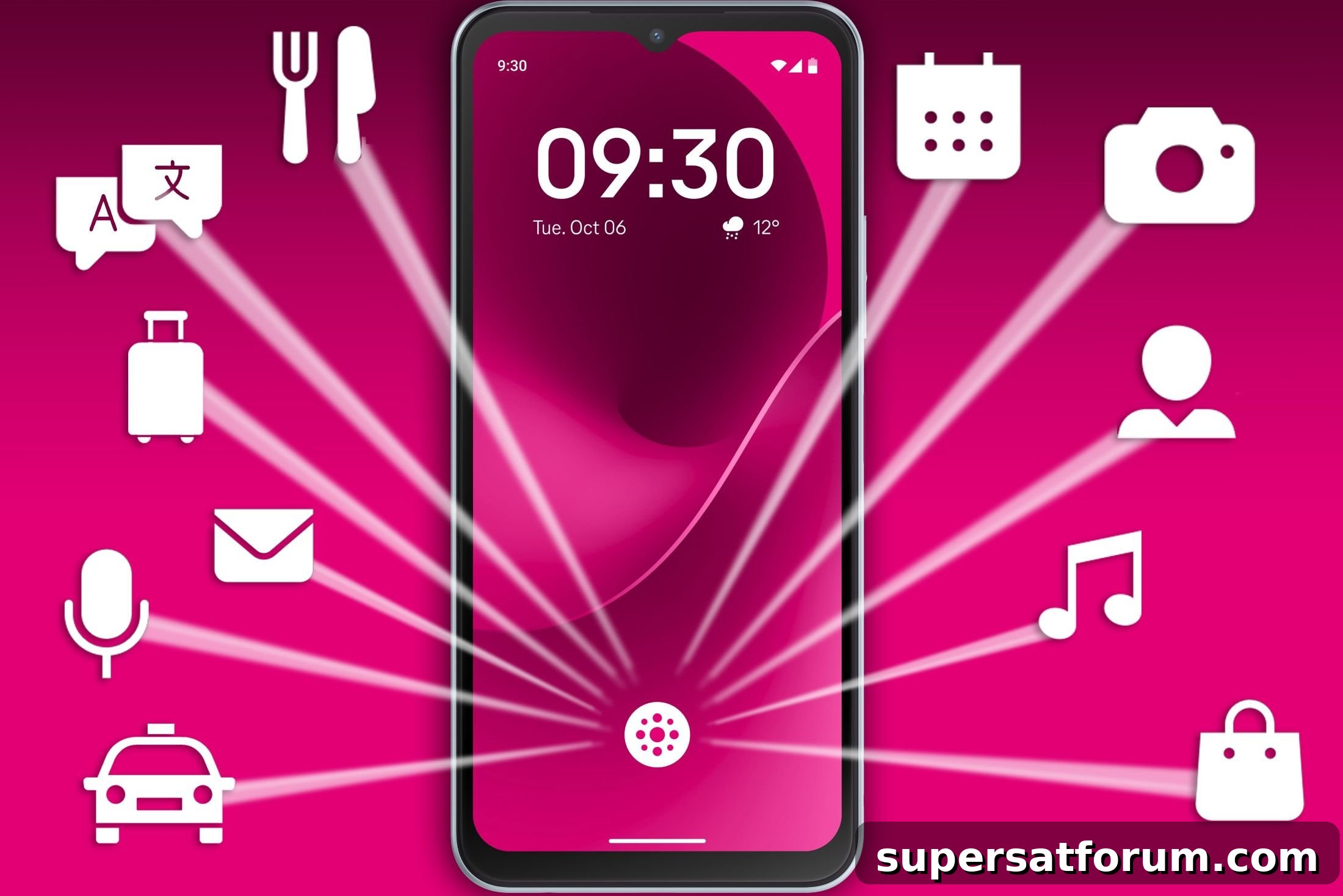
Deutsche Telekom has introduced the T Phone 3 and T Tablet 2, marketed as the “AI-phone” and “AI-tablet,” developed in partnership with Perplexity.
The company presents these devices not merely as hardware upgrades but as accessible entry points to practical AI for everyday users. A dedicated magenta button provides instant access to the Perplexity Assistant, simplifying how people interact with AI on their phones and tablets.
This integrated assistant is designed to help with a wide range of daily tasks without forcing users to search for or install multiple separate apps. The assistant can be activated with the magenta button or a double-press of the power key and accepts both voice and text queries. It helps with tasks from finding recipes that use leftover ingredients to planning a trip.
Deep integration with pre-installed apps enables the assistant to act on users’ behalf. It can create calendar entries, summarise emails, translate menus in foreign languages, plan travel itineraries, make restaurant reservations through OpenTable, or order taxis via Uber. Other features include nutrition guidance, personalised fitness plans, and curated shopping recommendations.
Dominique Leroy, Board Member for Europe at Deutsche Telekom, said: “Together with trusted partners, we’re bringing the AI-phone to people across Europe. It takes care of everyday tasks and quickly finds reliable information, saving you time and energy. So you can focus on what truly matters—where your ideas, creativity, and personal touch make the real difference.”
Deutsche Telekom has priced the devices to encourage broad adoption. In Germany, the AI-phone is €149 and the AI-tablet €199. Customers who take a network tariff can obtain each device for a symbolic one euro. The package includes an 18-month subscription to Perplexity Pro while the standard Perplexity Assistant remains available on the devices permanently. Purchasers also receive a three-month Picsart Pro licence with 500 extra credits per month.
Sales begin in several European markets beyond Germany, including Austria, Croatia, the Czech Republic, Greece, Hungary, Montenegro, North Macedonia, Poland, and Slovakia, with local pricing varying by market.
Hardware improvements complement the AI features. Both the T Phone 3 and T Tablet 2 use upgraded chipsets for faster performance and reduced charging times. The T Phone 3 introduces AI-driven camera tools through a Picsart partnership, enabling AI-generated avatars and background editing directly on the device.
The T Tablet 2 targets productivity and creativity with a large, eye-friendly display using TCL NXTPAPER technology, offering modes tailored for reading, studying, or drawing. A compatible T-Pen stylus is available separately for €29.95. Deutsche Telekom also plans a “Pro” version of the AI-phone later this year.
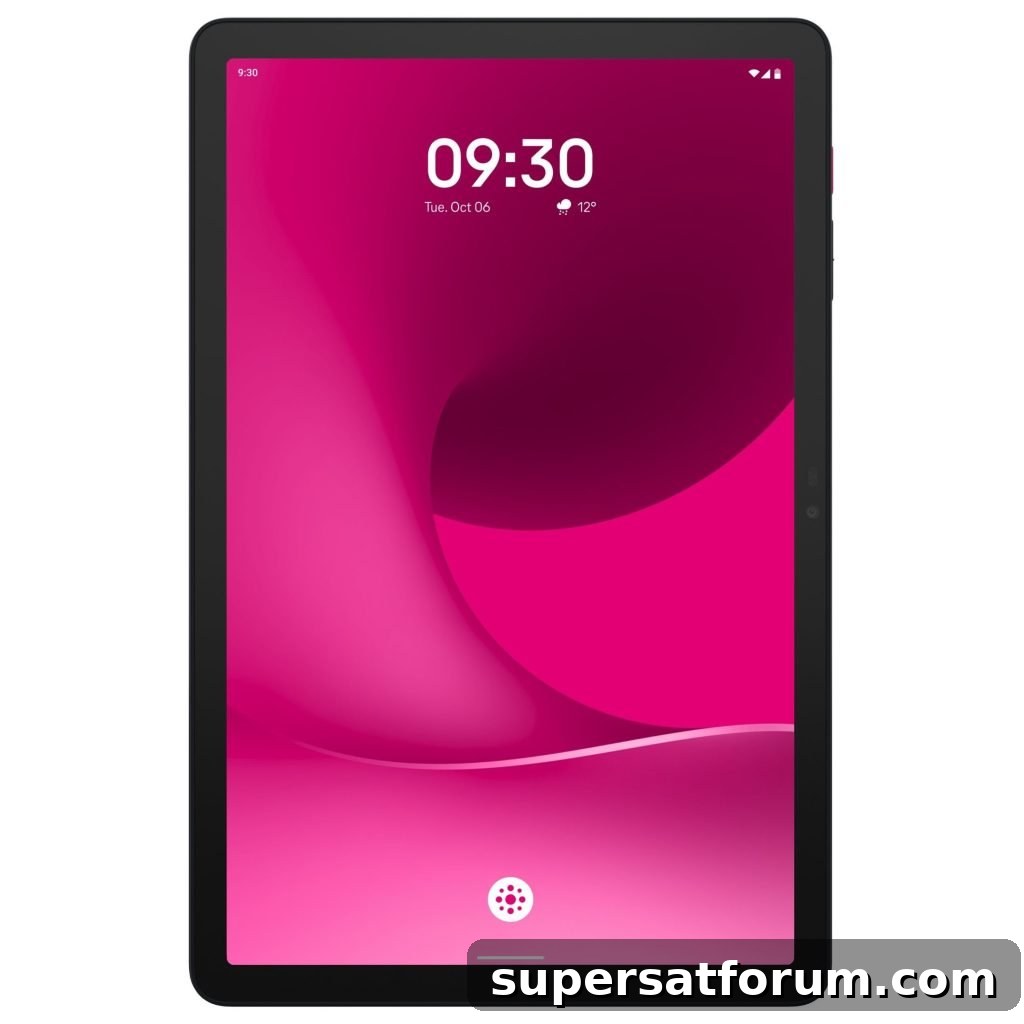
Sustainability has been a priority. The T Phone 3 earned Deutsche Telekom’s #GreenMagenta label and scored 90 out of 100 on the smartphone Eco Rating. The T Tablet 2 supports a circular-economy approach, with 75 percent of its back panel made from post-consumer recycled plastic.
Deutsche Telekom is also extending AI features to a wider customer base through the MeinMagenta app. All customers can access “Magenta AI,” which offers free use of Perplexity’s answer engine and an AI image background editor powered by Picsart.
Claudia Nemat, Board Member for Technology and Innovation at Deutsche Telekom, commented: “Artificial intelligence is the big technology of our time. It changes a lot. But there is still some reluctance. We believe AI offers significant opportunities. To use those, people need to take part and try out AI tools. ‘Our’ AI-phone and Magenta AI features in the app give our customers compact access to various AI services and allow them to explore this technology first-hand.”
Industry analysts expect continued growth for AI-capable mobile devices. IDC forecasts shipments of generative AI-capable smartphones could reach 912 million units by 2028, representing around 70 percent of the market, while Canalys attributes this expansion to growing consumer demand for AI features and concurrent chipset advances.
Market research from Kantar Worldpanel ComTech indicates European consumers are particularly interested in AI capabilities such as real-time translation, camera enhancements, and smarter search tools—features highlighted in Deutsche Telekom’s new devices.
(Image credit: Deutsche Telekom)
See also: Mobile messaging shift: AI and rich media take over

Want to learn more about AI and big data from industry leaders? AI & Big Data Expo events take place in Amsterdam, California, and London and are co-located with conferences covering automation, blockchain, digital transformation, and cybersecurity.
Explore other upcoming enterprise technology events and webinars powered by TechForge.