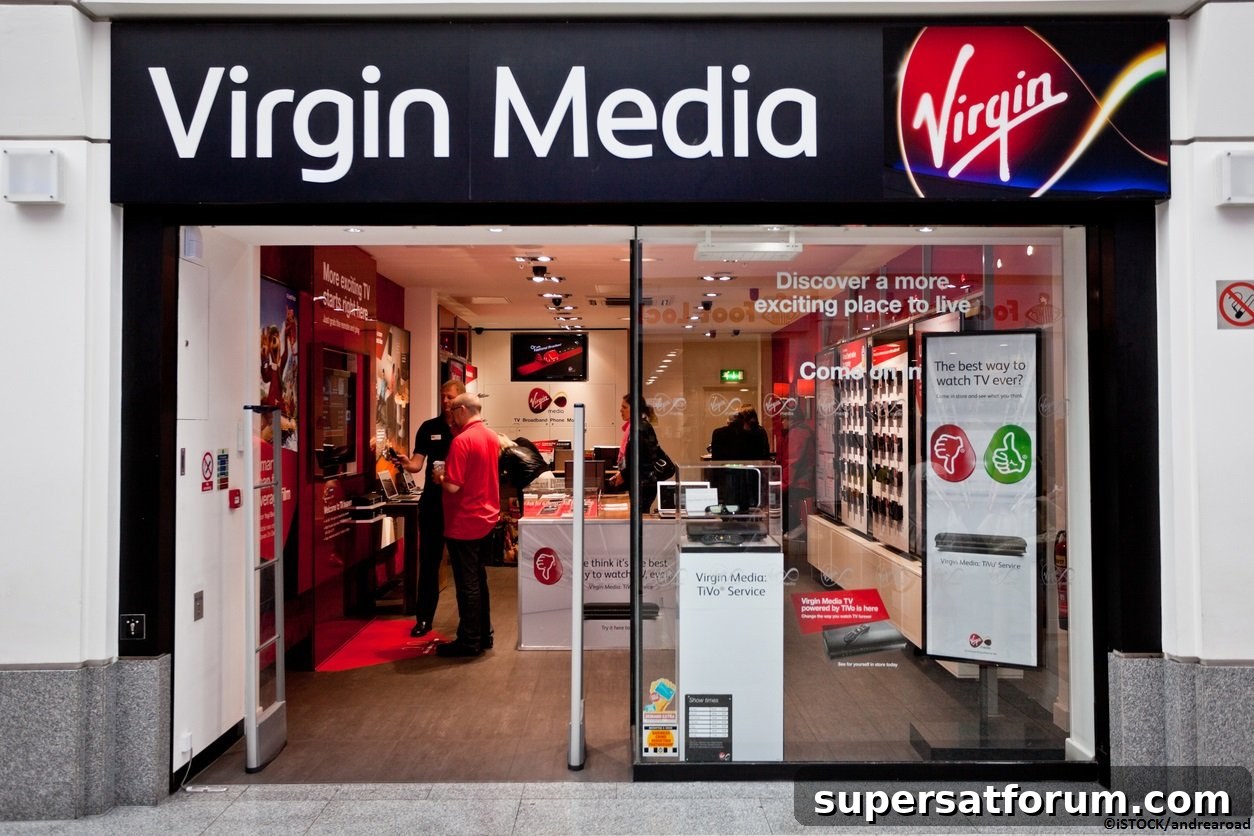
The BBC consumer affairs programme Watchdog will expose Virgin Media tonight over slow broadband, after tests showed some customers receive as little as three percent of the download speed they were sold.
Many customers are told that sluggish speeds result from high local usage, yet packages continue to be marketed with much higher advertised speeds than subscribers actually experience. Watchdog notes that Virgin Media previously promoted speeds up to 200Mbps, though the company now advertises speeds of up to 300Mbps.
A letter from executive sales director Neil Bartholomew said:
“Customers trust Virgin Media and it is our job to live up to that hard won reputation; balancing how we talk and work with customers with the facts a customer needs to know.
“BBC Watchdog has highlighted some cases where we have not lived up to this responsibility.”
Posing as prospective customers, Watchdog investigated how Virgin Media sells packages in areas known to suffer from over-utilisation. Investigators were repeatedly sold packages on the basis they would get speeds around 200Mbps, with the concession that “there would be a marginal decline at peak times.”
When the Watchdog team ran speed tests at those addresses, they sometimes found customers receiving just three percent of the speed promised by Virgin Media’s staff. Speaking as one affected customer, I can confirm similar experiences.
These revelations coincide with Virgin Media’s recent announcement that it plans to close 30 retail shops, resulting in about 250 job losses.
Employees posting on the company intranet expressed frustration about the lack of internal communication regarding the redundancies. One staff member wrote: “How come this wasn’t briefed out to us all sooner rather than hearing it from the media over the weekend? Not good at all!”
The closures appear linked to the company overstating the number of its superfast broadband ‘Project Lightning’ connections, which use DOCSIS and FTTP technologies. Many employees have reportedly been unhappy since Liberty Global acquired Virgin Media in 2013 for £15 billion, a takeover that brought internal reorganisations and increased subcontracting.
During a Q&A session last year, one employee said: “We have worked really hard under the threat of redundancy for nine months with very little communication.” Another criticised the new ownership: “[Liberty Global] seems to be ripping the very soul (and people) out of the company and everything that was good about it. There’s no excitement or engagement about what we are working to become … Morale is at an all-time low.”
Tom Mockridge, CEO of Virgin Media, commented:
“I, along with everybody at Virgin Media, am disappointed that, in these cases, we fell short of the high standards we set for ourselves and which our customers rightly expect of us.
We apologise for the inconvenience to these customers and have resolved the issues they raised. All of our sales agents have been re-briefed on the Company’s sales policy and we are providing additional training to ensure everyone complies with it.
Virgin Media invests more than £1 billion a year in its ultrafast network. This year we are also investing £200 million to upgrade network capacity where it’s needed to meet the growing demand for faster broadband speeds across the UK.”
For balance, it is worth noting that even reduced download speeds from Virgin Media can still be faster than many competitors, and the company often ranks highly in independent speed tests. The primary concern, however, is that customers may be sold packages that do not deliver the speeds advertised—on occasion receiving only three percent of the promised performance.
The BBC Watchdog investigation will be broadcast on BBC One at 8pm tonight (July 5, 2017).
What are your thoughts on the Watchdog investigation into Virgin Media? Let us know in the comments.