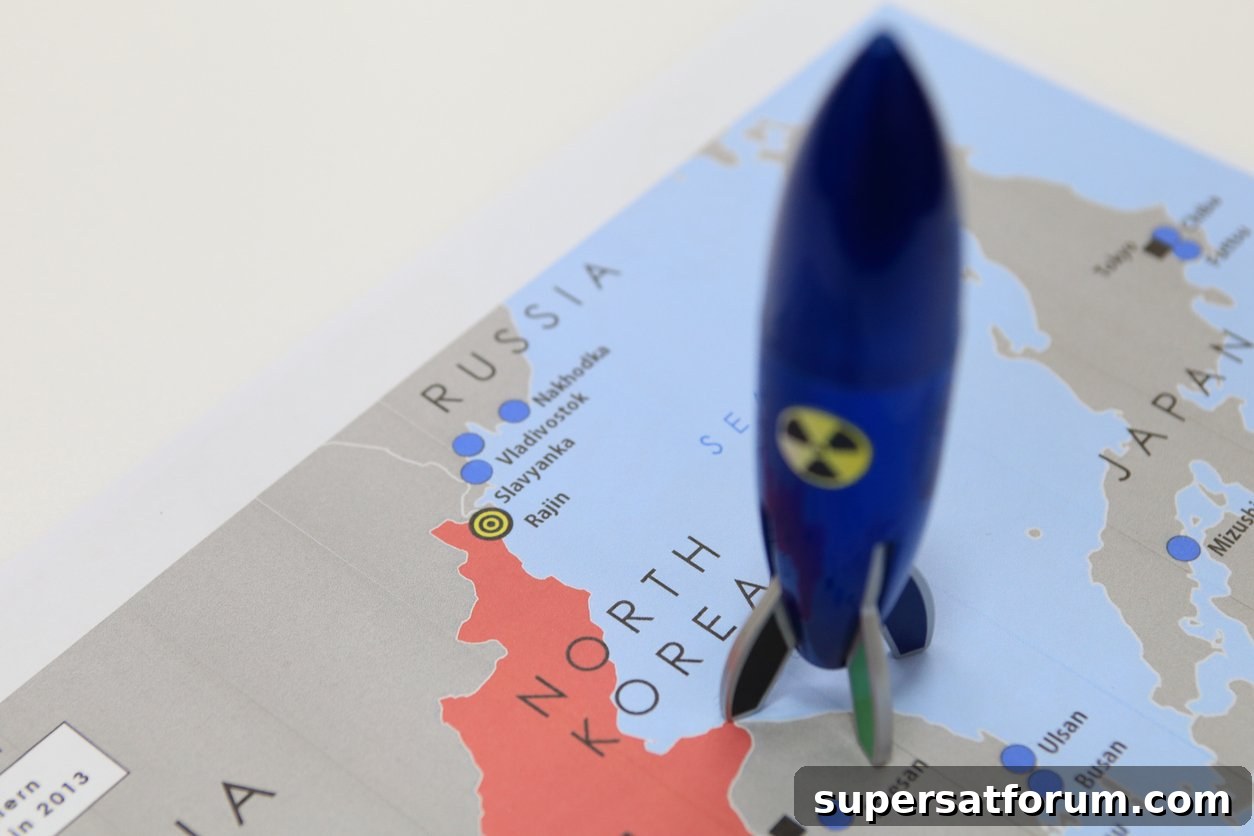
With relations between Western countries and Russia deteriorating and Russian President Vladimir Putin showcasing upgraded weapons, it is timely to review how authorities would alert the public in the event of a nuclear attack.
After a nerve agent developed during the Soviet era, known as “novichok,” was used in Salisbury—the first known instance of such a weapon being deployed in Europe since World War II—the UK asked Russia to explain how the toxin came to be used on British soil. Russia did not provide a satisfactory response, and diplomatic expulsions followed on both sides.
In a veiled warning, a Russian ministry spokesman cautioned the UK “not to threaten nuclear powers.”
Today, most people carry mobile phones at all times, so any immediate warning of an imminent nuclear strike would most likely be delivered first through mobile networks.
Like many countries, the UK government can send emergency alerts via SMS to registered mobile phones. However, the UK has not yet implemented the more modern cell broadcast emergency warning capability built into current smartphones.
Emergency alerts are familiar to many, but a lesser-known control is the ability to restrict access to Base Transceiver Stations (BTS). In a crisis operators can limit outgoing calls to emergency services to prevent networks becoming congested by panic calling, making it essential for families to have prearranged plans and meeting points.
Television and radio services would also switch immediately to live emergency broadcasts. During the Cold War the BBC prepared to replace regular programming if a nuclear strike occurred. The late Radio 4 continuity announcer Peter Donaldson recorded a contingency bulletin, codenamed “Falsetto,” to be used in such an emergency.
His prepared message began: “This is the Wartime Broadcasting Service. This country has been attacked with nuclear weapons. Communications have been severely disrupted, and the number of casualties and the extent of the damage are not yet known. Stay tuned to this wavelength, stay calm and stay in your own homes. Remember, there is nothing to be gained by trying to get away.”
Similar alerting practices have been used elsewhere. In 2017, Japan issued missile warnings to residents, instructing people to seek shelter in sturdy buildings or basements.
One text message read: “Missile launch. Missile launch. A missile was fired from North Korea. Please evacuate to a sturdy building or basement.” These warnings appeared both on mobile phones and television after a North Korean missile flew over Japan and splashed down in the Pacific.
In Hawaii, an accidental emergency alert sent through the smartphone-based system caused widespread panic. That system uses cell broadcasting technology—a service related to, but distinct from, standard SMS—to deliver alerts. In the United States this technology has been used tens of thousands of times for severe weather, chemical incidents, and other emergencies.
The UK is currently evaluating such a cell broadcast emergency warning system but has not yet deployed it nationwide.
Could emergency warning systems be improved? Share your thoughts in the comments.
Interested in hearing industry leaders discuss topics like this and share practical use cases? Attend the co-located IoT Tech Expo, Blockchain Expo, AI & Big Data Expo and Cyber Security & Cloud Expo World Series. Upcoming events in Silicon Valley, London and Amsterdam explore the future of enterprise technology.