A new alliance announced at MWC aims to redefine mobile networks and telecommunications by integrating artificial intelligence into radio access networks (RAN). The AI-RAN Alliance brings together leading technology companies such as Amazon, Microsoft, NVIDIA, and Samsung, alongside major telecom providers including Ericsson, Nokia, SoftBank, and T‑Mobile.
The alliance’s mission is to harness AI to increase mobile network efficiency, lower power consumption, modernize existing infrastructure, and create new economic opportunities enabled by 5G, future 6G developments, and edge AI capabilities.
“Emerging services in the 6G era will change how people interact with technology, and AI will be central to that transformation,” said Charlie Zhang of Samsung Research America, a founding member. Samsung—an early leader in 6G research since creating its Advanced Communications Research Center in 2019—envisions “AI‑Native” networks in which AI is embedded as a core network function.
The AI‑RAN Alliance focuses on three primary research areas:
- Applying AI to enhance RAN capabilities and improve spectral efficiency
- Tightly integrating AI and RAN processes to make better use of infrastructure
- Delivering AI services at the network edge via RAN platforms
Network operators—including Ericsson, Nokia, SoftBank, and T‑Mobile—will pilot and implement AI-powered RAN technologies, evaluating their real-world benefits for operational performance and total cost of ownership.
Beming, Vice President and Head of Standards & Industry Initiatives at Ericsson, described AI-driven RAN automation as a pivotal change for operational efficiency and cost reduction. He emphasized that collaborative work across operators, infrastructure vendors, and other members will enable the use of relevant data to build AI use cases that surface actionable insights for the industry.
“This collaboration moves us toward a smarter, more efficient future for telecommunications,” Beming added. “AI technology is essential, and Ericsson is committed to working with all stakeholders invested in this transformative journey.”
Researchers from Northeastern University are also part of the alliance, highlighting the initiative’s blend of industry and academic expertise and signaling a broader shift toward AI-integrated, software-driven mobile networks.
Tommaso Melodia, William L. Smith Professor of Electrical and Computer Engineering and Director of Northeastern University’s Institute for the Wireless Internet of Things, said the alliance represents a pivotal moment in the industry’s transition to open, software-centric, AI-enabled networks. He noted the partnership will accelerate the creation of new services and use cases by leveraging openness, softwarization, and AI to improve network performance, energy efficiency, spectrum sharing, and security—ultimately reshaping global communications.
Alex Sinclair, CTO at the GSMA, welcomed the alliance’s shared ambition to develop new, open platforms that can democratize AI use across the mobile industry.
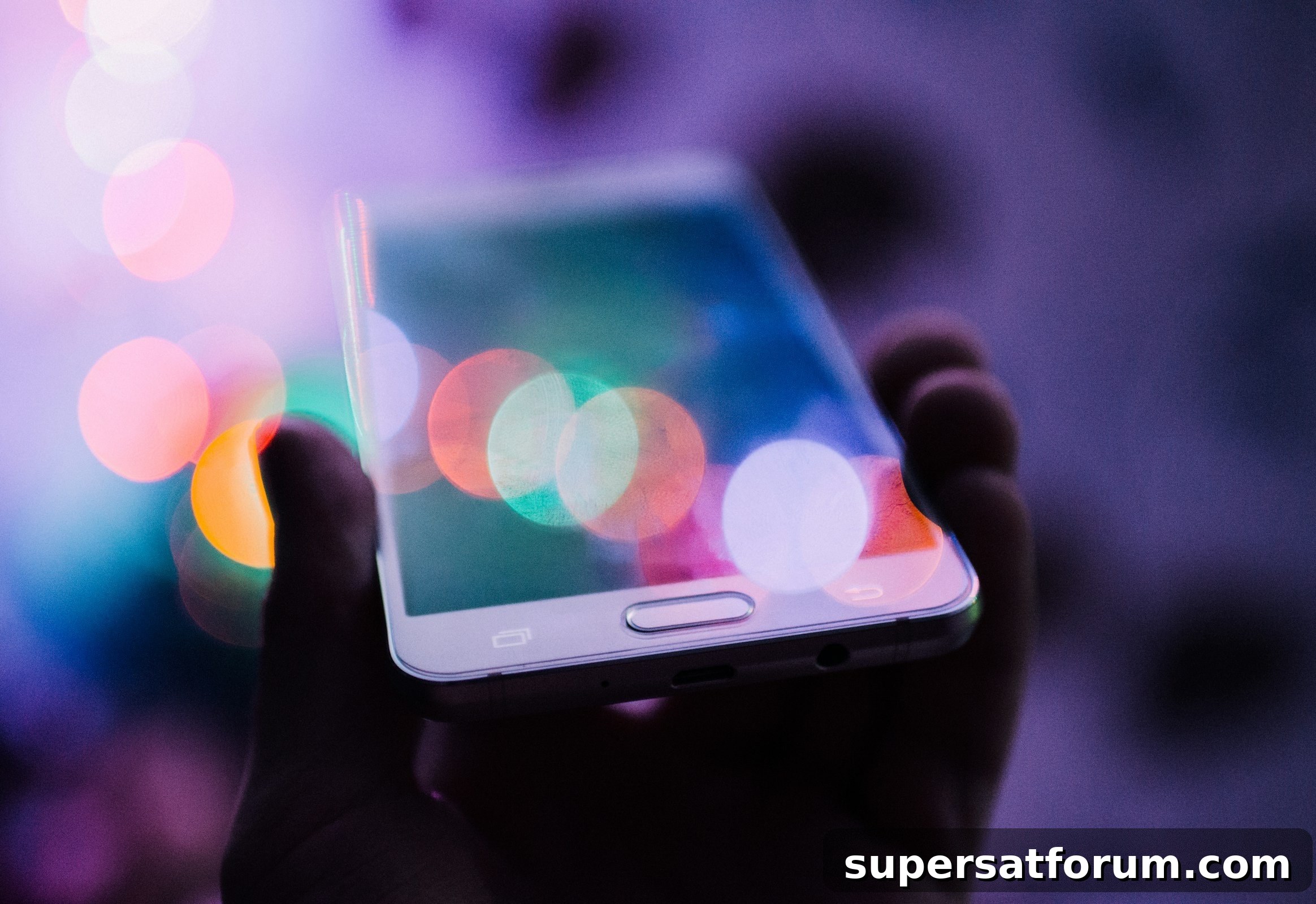
(Photo by Rodion Kutsaiev on Unsplash)
See also: GSMA Open Gateway unlocks mobile network capabilities for developers
Unified Communications is a two-day event held in California, London, and Amsterdam that explores the future of workplace collaboration in a digital world. The event is co-located with Digital Transformation Week, IoT Tech Expo, Edge Computing Expo, Intelligent Automation, AI & Big Data Expo, and Cyber Security & Cloud Expo.
Browse other upcoming enterprise technology events and webinars powered by TechForge.