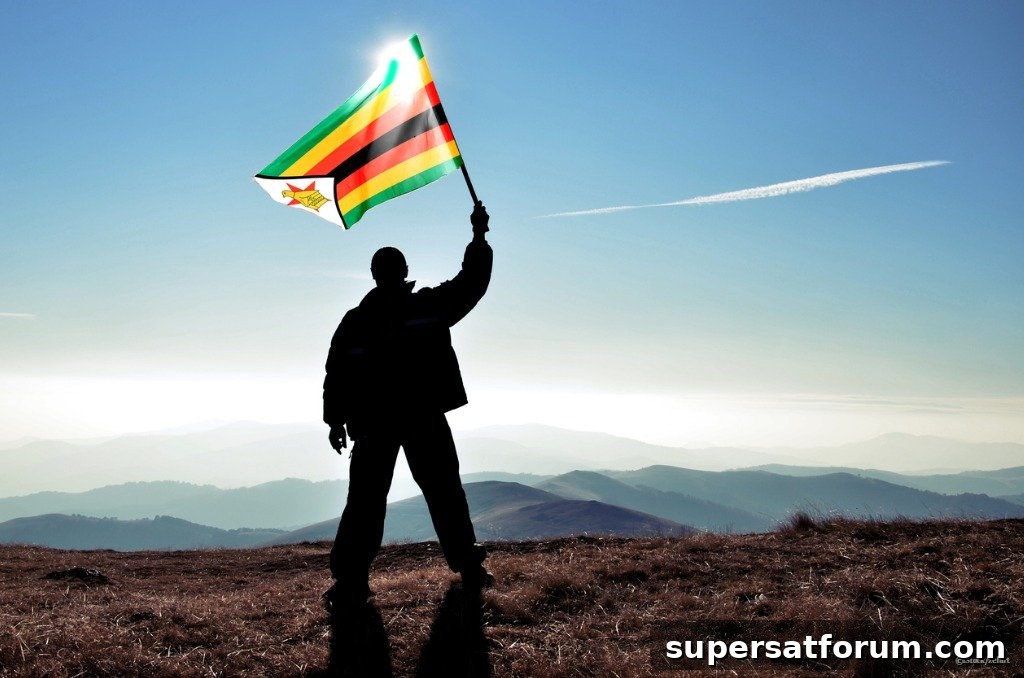
Zimbabwe has ordered a shutdown of internet services as security forces violently crack down on protests sparked by fuel price increases.
Econet, the nation’s largest mobile operator, reported it had been instructed to cut off services. Access to widely used platforms such as WhatsApp, Facebook, and Twitter has been intermittent since protests began on Monday.
These social networks and messaging apps are commonly used both to coordinate demonstrations and to document and share reports of excessive force by authorities.
UN human rights spokesperson Ravina Shamdasani told Reuters:
“Doctors’ associations say more than 60 people were treated in hospital for gunshot wounds; this is not a way to react to the expression of economic grievances by the population.”
The United Nations has urged the Zimbabwean government to stop what it describes as the excessive use of force against civilians. Reports include the use of live ammunition, door-to-door beatings, and nighttime searches.
The current protests over fuel taxes have parallels with movements elsewhere. Protests against fuel tax increases helped spark the “Yellow Vest” movement in France, where authorities have also faced criticism for excessive force.
In France, live ammunition was reportedly not used, but so-called “flash-ball” projectiles have caused serious harm. For example, a firefighter who joined the Yellow Vest protests was left in a coma with brain injuries after being struck in the back of the head by a police projectile.
What began as demonstrations against fuel costs in France evolved across Europe into broader protests over inequality, rising living expenses, and austerity measures linked to European Union policies.
Governments have previously explored restricting social media and telecom access during unrest. After the 2011 London riots, UK authorities examined the potential to control social platforms and cut off services when messaging tools—such as BlackBerry Messenger at the time—were used to coordinate looting.
Civil rights groups warn that such powers risk infringing on fundamental liberties and can harm many people who have done nothing wrong. During shutdowns or service interruptions, people rely on social media and telecom networks to check on loved ones, report emergencies, and confirm their safety.
Interested in hearing industry leaders discuss subjects like this? Attend the co-located events IoT Tech Expo, Blockchain Expo, AI & Big Data Expo, and Cyber Security & Cloud Expo World Series, with upcoming shows in Silicon Valley, London, and Amsterdam.