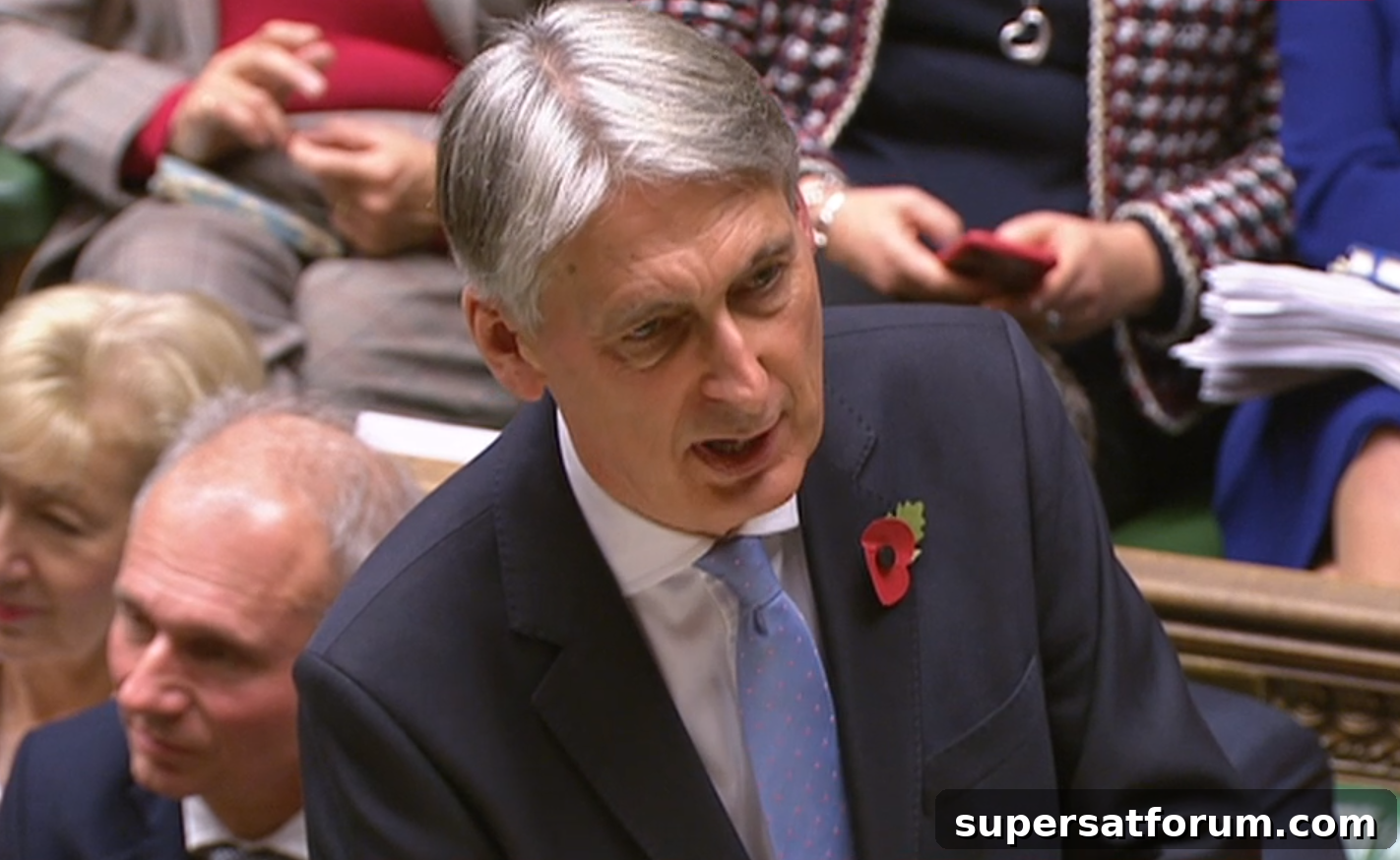
In his most recent budget, UK Chancellor Philip Hammond announced a £250 million investment to bring superfast broadband to rural areas.
Poor connectivity in the countryside has left many communities and businesses lagging behind urban areas. The new funding is intended to close that gap by prioritising hard-to-reach locations.
The money will be used to equip rural schools and libraries with full fibre broadband, ensuring these public institutions can access fast, reliable internet.
Culture Secretary Jeremy Wright commented on the plan:
“Through our modern Industrial Strategy, it’s our ambition to have a full fibre Britain that is fit for the future. By changing our approach and investing in the hardest to reach places first, we will ensure that the whole country can reap the benefits of full fibre broadband.”
Full fibre, known as Fibre-to-the-Premises (FTTP), delivers higher speeds and greater reliability than Fibre-to-the-Cabinet (FTTC), which underpins most current broadband connections.
Chancellor Hammond added:
“For the 21st century, broadband is to roads in the 20th, railways in the 19th, and canals in the 18th. It’s the network infrastructure that will make this country work.”
Before the budget, the National Farmers’ Union (NFU) outlined priorities from a rural business perspective, including the need for comprehensive digital connectivity. One of the NFU’s requests was:
“Ensure the rollout of superfast broadband to all farmers, growers and rural communities, alongside complete mobile phone coverage at a reasonable cost.”
Recent surveys highlight the scale of the challenge: only nine percent of farmers reported receiving broadband speeds of 24 Mbps or more, and just 15 percent said they had reliable mobile coverage across their farms. Improving these figures is central to enhancing productivity, access to services, and economic resilience in rural areas.
Alongside the rural broadband commitment, the budget introduced a narrowly targeted digital services tax aimed at revenues generated in the UK by specific large firms. Chancellor Hammond indicated the tax would focus on taxable revenue generated in the UK rather than start-ups, and he estimated it could raise around £400 million annually. The measure forms part of a broader attempt to update tax rules for the digital economy while avoiding unintended impacts on smaller businesses.
The combined measures—targeted investment in rural full fibre infrastructure and new digital tax policies—signal a continued government focus on modernising the country’s digital backbone and ensuring that growth and connectivity reach across both urban and rural communities.