BT-owned EE, the UK’s largest mobile operator, is preparing for a surge in summer staycations by strengthening coverage in many popular coastal destinations.
After over a year of being mostly confined indoors, holidays are on many people’s minds. With ongoing uncertainty around international travel and sudden changes to advice for some destinations, a growing number of people plan to vacation closer to home.
Marc Allera, CEO of BT’s Consumer Division, said:
“The upgrades to our network will help ensure our customers stay connected this summer, even at the busiest times.
The additional capacity delivered through improvements to our 4G network, alongside the continued roll-out of our 5G network, will help people make the most of their time at the coast, and also provide a valuable lifeline if an emergency occurs.”
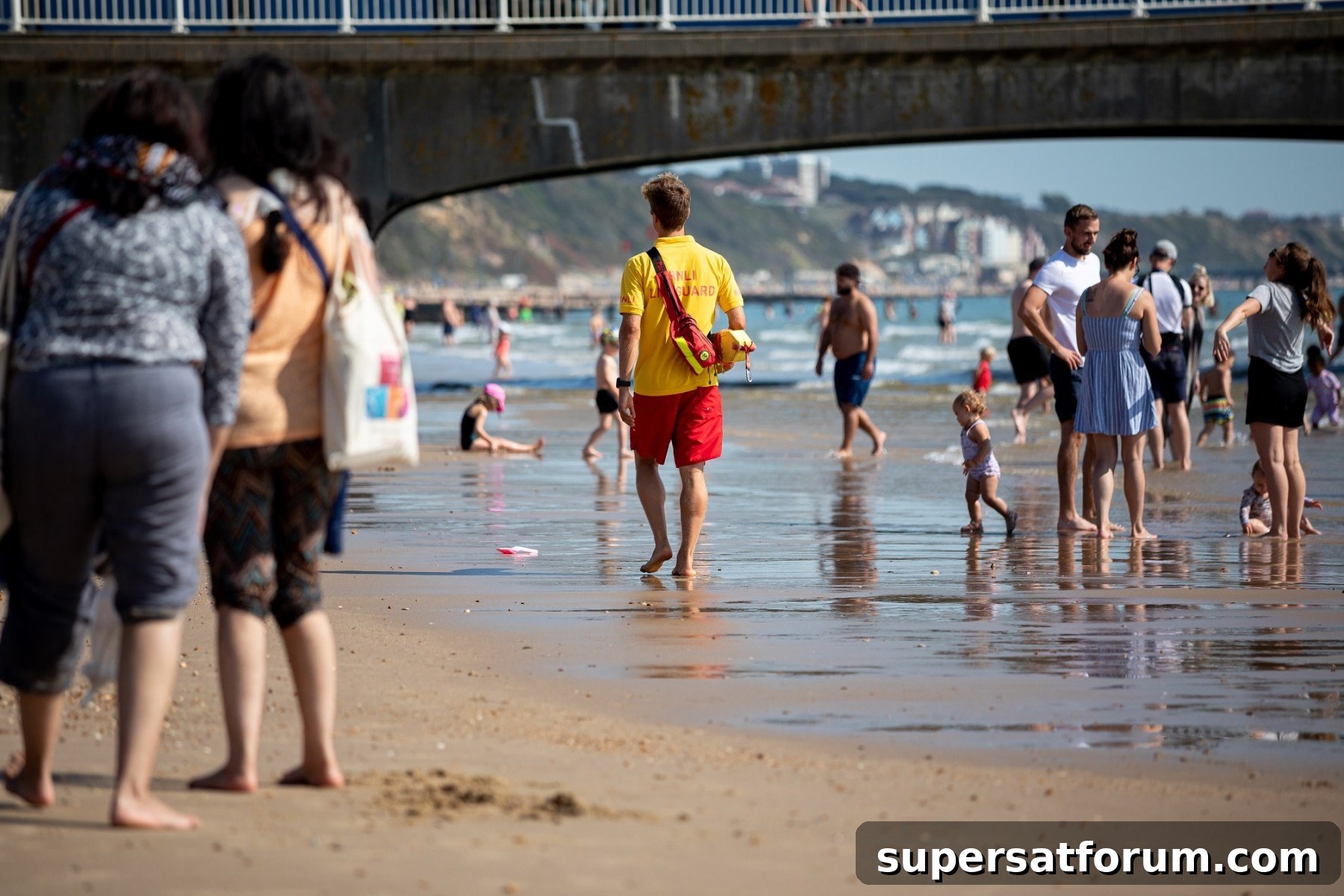
Crowded beaches were a common sight even during the height of the pandemic. With a successful vaccine rollout, it looks increasingly likely that beaches will be able to open more safely this summer, and many people are expected to take advantage.
EE has already boosted its 4G network in the following coastal locations:
- Blackpool
- Bournemouth
- Brighton
- Dawlish
- Great Yarmouth
- Isle of Sheppey
- Maldon
- Porthcawl
- Rhyl
The operator also says the following 16 locations will see improved 4G connectivity this summer:
- Aberystwyth
- Berwick-upon-Tweed
- Budleigh Salterton
- Cardigan Bay
- Clacton-on-Sea
- Newquay
- Padstow
- Selsey
- Scarborough
- Skegness
- Snowdonia
- St Ives
- Tenby
- Whitstable
- Windermere
- Woolacombe
“With many popular seaside locations expecting a busy summer, we’re pleased to be providing improved coastal connectivity,” Allera added.
Gareth Morrison, Head of Water Safety at the Royal National Lifeboat Institution (RNLI), welcomed the upgrades:
“We do expect coastal areas to be very busy this summer, but if people follow key safety advice, they can stay safe and enjoy their time at the beach and along our coastlines.
Alongside our lifeboat crews and lifeguards, mobile phones can help people stay safe when at the coast, so improvements to coastal coverage are welcomed. Smartphones help people plan their day at the coast by checking weather and tide times and by finding where lifeguards are patrolling. They also allow people to call for help quickly in an emergency.”
Whether you’re walking along the coast, fishing from rocks, or relaxing on the beach, having the means to call for help in an emergency can be the difference between life and death.”
Last year the RNLI and BT announced a strategic supplier partnership to support the charity’s mission to prevent drowning. Over the next five years, BT will upgrade the RNLI’s fixed, wireless, and mobile networks to help staff, volunteers, and supporters connect faster and more effectively. The partnership will also include collaboration on innovative technologies aimed at saving lives.
(Image credit: RNLI)