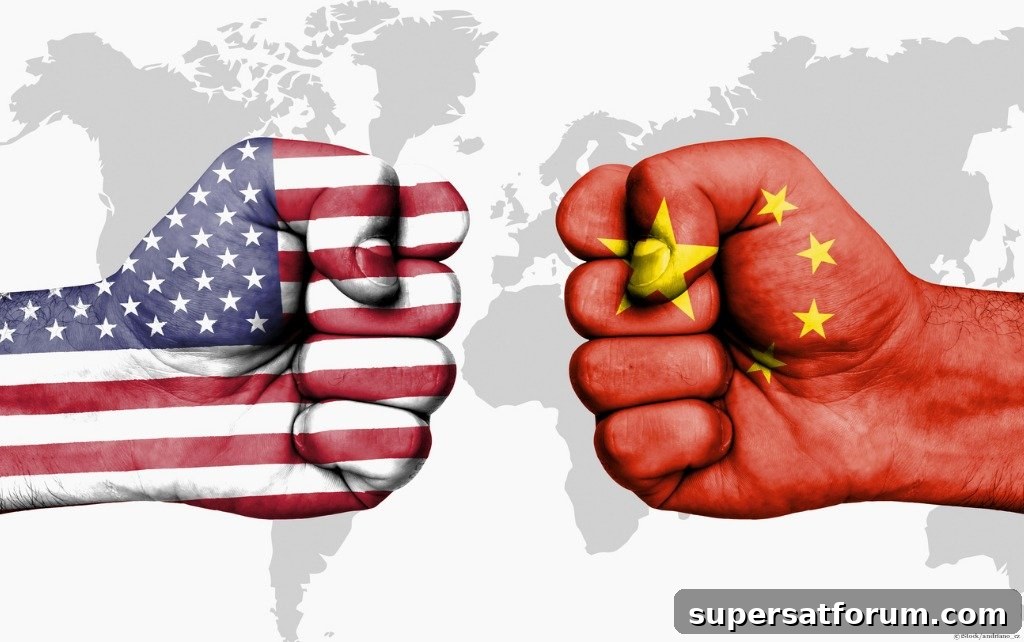
Following a temporary reprieve from President Trump’s ban on ZTE — a move the company says cost it around $3 billion — the U.S. Senate has voted to reinstate the restriction.
The Senate measure must still pass the House of Representatives and avoid a potential presidential veto before it becomes law, so the outcome remains uncertain.
ZTE, one of China’s largest telecommunications firms, became an early target of the Trump administration’s efforts to curb perceived security risks posed by Chinese companies operating in the U.S. market.
In a joint statement, Senators Marco Rubio, Chuck Schumer, Chris Van Hollen and Tom Cotton emphasized the bipartisan importance of prioritizing American jobs and national security when negotiating with countries such as China:
“We’re heartened that both parties made it clear that protecting American jobs and national security must come first when making deals with countries like China, which has a history of having little regard for either. It is vital that our colleagues in the House keep this bipartisan provision in the bill as it heads towards a conference.”
U.S. lawmakers cited ZTE’s violations of export rules and its illegal shipments to Iran and North Korea as the official rationale for the original ban.
At the time, U.S. Commerce Secretary Wilbur Ross acknowledged ZTE’s misconduct but said officials would consider alternative remedies: “ZTE did do some inappropriate things … the question is, are there alternative remedies to the ones we had originally put forward and that’s the area we will be exploring very, very promptly.”
Within days of the initial ban, the administration reversed course and lifted the penalty after ZTE announced it had suspended operations. President Trump framed the decision as part of broader trade negotiations with China and as influenced by his relationship with President Xi Jinping.
The reversal sparked controversy. Observers raised concerns about the timing of other developments in China, including expedited patent approvals related to businesses connected to the president’s family, prompting accusations of impropriety from some critics.
Debate over Chinese telecom equipment extends beyond the United States. Senator Rubio has indicated Congress might support a full ban on Chinese telecom firms in the U.S., arguing these firms can be used as tools for espionage.
Similar discussions have emerged in other countries considering their 5G infrastructure. In Australia, for example, calls have grown to exclude Huawei from national 5G networks amid worries about placing critical infrastructure in the hands of firms perceived as being influenced by foreign governments.
These concerns have been around for years but have gained renewed urgency with the global rollout of 5G. As networks evolve to support sensitive applications — from healthcare systems to autonomous vehicles — the security of underlying equipment has become a central policy issue.
At the same time, demand for equipment from Chinese vendors is rising. Some industry participants argue that Chinese manufacturers are currently advancing faster than many competitors, offering competitive pricing and rapidly developing 5G-capable gear.
The tension between national security considerations and the commercial appeal of affordable, advanced equipment is shaping policy debates and procurement decisions worldwide.
Do you support bans on Chinese telecom companies operating in critical national networks? Share your view in the comments.
Interested in hearing industry leaders discuss topics like this and sharing practical use-cases? Attend industry events such as the IoT Tech Expo, Blockchain Expo, AI & Big Data Expo and Cyber Security & Cloud Expo, which bring together experts and vendors to explore the future of enterprise technology.