(Image Credit: iStockPhoto/ 3alexd)
Jasper is a leading company in the Internet of Things (IoT). With more than 1,600 partners relying on its solutions, Jasper is clearly a major player. We met with the company at Mobile World Congress to discuss the direction of the industry and how Jasper helps businesses and network operators connect their devices to the internet — a development many consider one of the most significant technological advances in recent history.
Jasper’s presence in the event’s Innovation City makes their message obvious. Their booth draws attention with a large autonomous robot arm, and a seemingly ordinary vending machine sits in the corner to demonstrate how even well-established devices gain value from being connected to the web.
One of the first points Jasper makes is that companies are moving from selling one-off products to offering ongoing services. Agriculture is a common example: IoT technologies can automate tasks that used to require manual labor. “Farmers can use self-navigating tractors, or distribute pheromones to control pests,” says Simon Berman, VP of Marketing at Jasper.
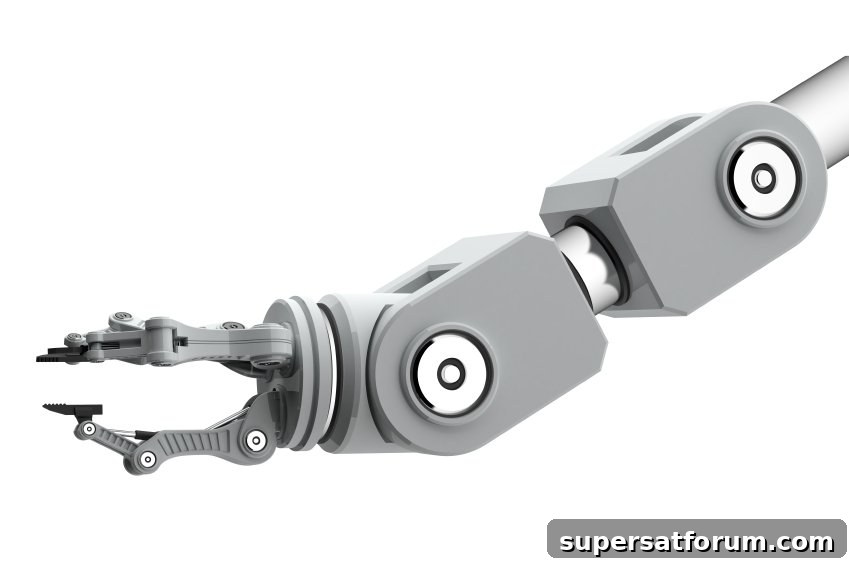
That giant robot arm at the booth is connected via a cellular network so it can be monitored remotely, which reduces costly downtime. Devices that Jasper puts online typically use a global SIM, and the company works with operators worldwide to deploy its cloud-based IoT and M2M platform.
A major challenge today is the absence of a single platform that can connect the many devices coming from different manufacturers. Jasper’s platform aims to fill that gap. Recent industry moves reflect the same trend: for example, Panasonic announced it would become an MVNO in partnership with Vodafone to connect its devices globally.
Adoption of the IoT has not been completely smooth. Industry voices such as ARM have warned that the IoT is not progressing fast enough and have launched initiatives — for example, starter kits with IBM — to accelerate device creation. At MWC we asked Jasper about the pace of adoption. The company announced a partnership with China Unicom to deliver IoT services for enterprise customers in China, which Jasper sees as the largest market for connected devices. “China is the biggest connected device market in the world; they have around 50 million connected devices,” says Berman.
Connected cars are a major driver of IoT growth. Forecasts predict hundreds of millions of connected vehicles within the next five years. “Every GM car coming off the lot in 2015 in the US — across all of their brands — has built-in LTE connectivity powered by our platform,” Berman notes. The connected car changes the traditional one-time sales model: rather than selling a vehicle and losing touch with the customer, manufacturers can deliver ongoing services throughout the product’s lifetime.
These ongoing connections benefit manufacturers because they allow companies to know who their customers are, monetize new services, build brand loyalty, and generate more revenue over time than a single sale would deliver.
Another demonstration at the Jasper booth showed an internet-connected vending machine. When a vending machine is online, stock levels can be tracked in real time and replenishment can be scheduled only when necessary. Faults can trigger immediate service dispatches to prevent downtime and keep customers satisfied. These practical improvements highlight how simple devices benefit from connectivity.
Jasper’s partner roster covers many industries and includes long-established brands, not just early innovators. This breadth of adoption indicates that the business benefits of the Internet of Things are clear and that enterprises across sectors are increasingly embracing connected solutions.
Do you think the Internet of Things is being adopted at a good pace? Let us know in the comments.
To learn more about the Internet of Things, consider attending IoT Tech Expo Europe in London’s Olympia.