(Image Credit: iStockPhoto/shakzu)
The Trump administration plans to rename the generic “Countering Violent Extremism” (CVE) program to “Countering Islamic Extremism,” shifting the focus away from all forms of terrorism toward a specific ideological group, according to five people briefed on the matter.
The announcement comes days after a white supremacist attack on a Muslim community in Quebec, Canada. While the threat posed by Islamic extremists remains a serious concern, the Quebec attack underscores the continuing need to address terrorism in all its forms.
Republicans in Congress have long assailed the program as politically correct and ineffective.
CVE, as it is currently known, is a “three-pronged” initiative that aims to counter radicalization by disrupting propaganda both online and offline. The program emphasizes community engagement, improved training for officials and partners, and counter-narratives that convey the message that “violent extremism is a dead end.”
The rise of the internet and social networks has given extremist groups wide-reaching platforms to spread their messages and recruit followers. For any prevention program to work, it must include partnerships with technology companies to identify where extremists seek recruits and deliver timely counter-messaging.
Companies including Facebook and Google are reported to participate in CVE efforts, though the extent of their involvement has not been publicly detailed. Renaming the program to target a specific religion is likely to be controversial and could harm the reputation and safety of innocent community members.
The recent attack in Canada proves it’s as important as ever to combat terrorism in all its forms.
A Reuters source described the rationale behind the proposed change: “Some Republicans in Congress have long criticized the program as politically correct and ineffective, arguing that identifying ‘radical Islam’ as the trigger for many violent attacks would help focus deterrence efforts.”
Earlier this week, reporting on Viber offering free calls to refugees affected by President Trump’s immigration ban referenced a Cato Institute paper noting that no American citizens had been killed on U.S. soil by individuals from the Muslim-majority countries listed in the ban. That context has intensified debate about whether policies and programs disproportionately targeting Muslims are justified by security needs.
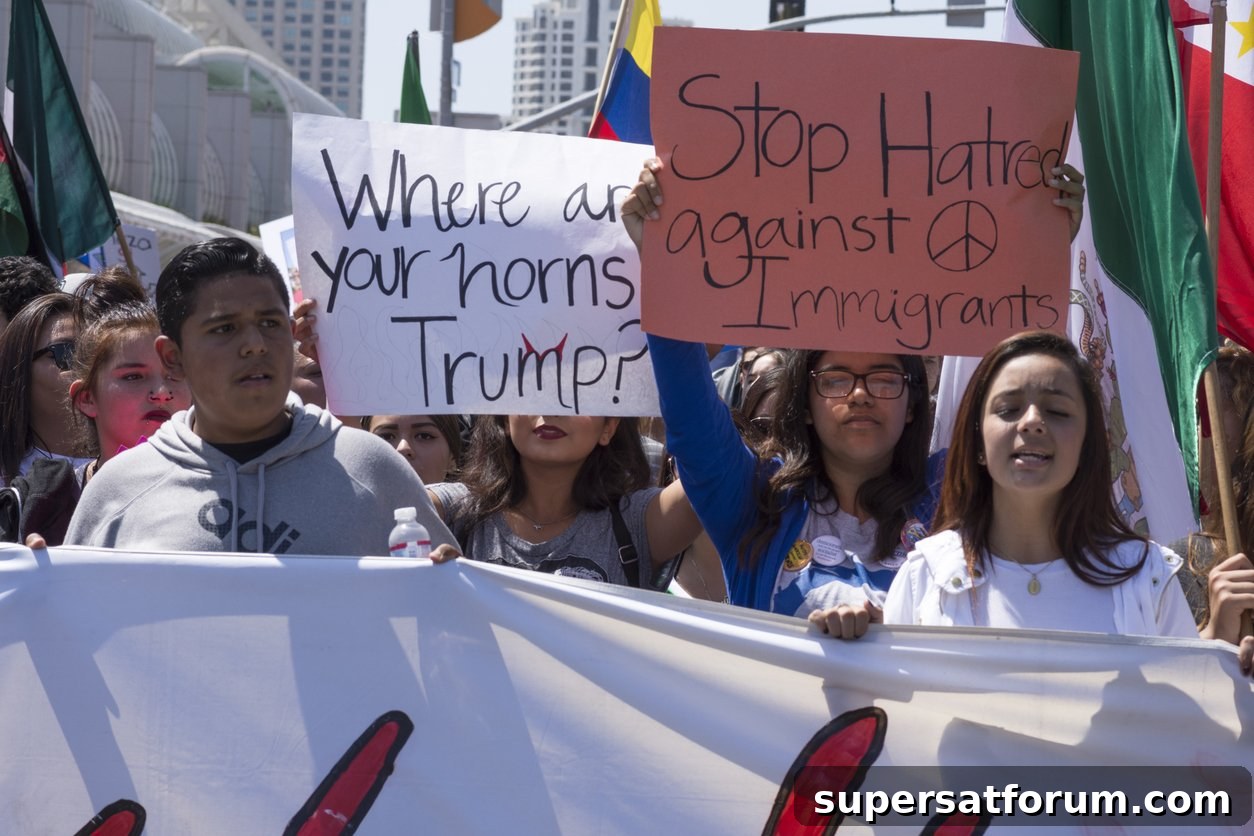
Critics argue that renaming CVE to single out Islam furthers a narrative that the government is targeting an entire religion rather than focusing on violent extremists. Such perception risks alienating Muslim communities, potentially driving marginalized individuals toward the very extremist groups the program aims to counter—groups that have openly sought to exploit political divisions for recruitment.
After the immigration ban was announced, hundreds of U.S. diplomats signed a statement warning that the policy would not make the country safer. The statement warned: “The net result will not be a drop in terror attacks in the United States; rather it will be a drop in international good will toward Americans.”
What are your thoughts on the CVE name change? Let us know in the comments.