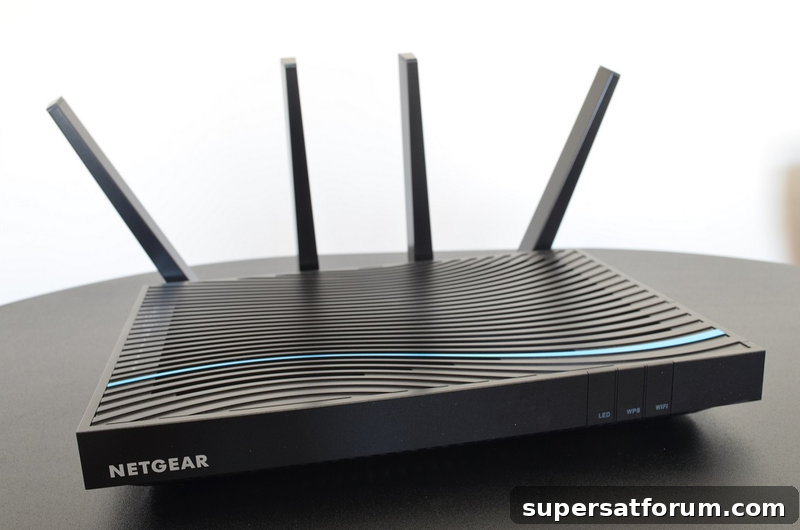
Wi‑Fi devices have relied on the WPA2 protocol for many years, but that is beginning to change as the Wi‑Fi Alliance opens WPA3 certification.
Introduced in 2004, WPA2 has served for over a decade; after 14 years it’s due for an update to address modern threats and user needs.
WPA3 introduces several important enhancements focused on stronger security and easier, safer device onboarding. One major improvement is designed to stop attackers from breaking passwords by repeatedly guessing them.
Dictionary attacks—where attackers use tools such as Cain and Abel, John the Ripper, or L0phtCrack to rapidly try common words and password combinations—have become more effective as computers grow more powerful. WPA3 addresses this risk by changing how authentication and key exchange are handled.
The new Simultaneous Authentication of Equals (SAE) method requires active interaction to establish authentication and generate encryption keys. Because SAE prevents attackers from passively capturing a Wi‑Fi handshake and attempting unlimited offline guesses, it substantially reduces the effectiveness of brute‑force and dictionary attacks. Importantly, this added protection does not force users to create radically different passwords; familiar passwords can still be used while gaining stronger defenses against automated cracking attempts.
WPA3 also introduces Opportunistic Wireless Encryption (OWE), a protocol based on RFC 8110 that brings encryption to open and guest networks without requiring a personal VPN. OWE provides unauthenticated encryption for connections on public hotspots, improving privacy for everyday users who connect to cafes, airports, and other open Wi‑Fi networks.
In addition to these features, WPA3 offers strengthened cryptographic options, including support for a 192‑bit security suite intended for environments with exceptionally high security requirements. This higher level of cryptographic robustness is designed to preserve data integrity and confidentiality even as future threats evolve.
Recognizing the rapid growth of Internet of Things (IoT) devices and the challenge of securely provisioning devices with limited or no displays, WPA3 includes an Easy Connect feature based on the Device Provisioning Protocol. Easy Connect allows users to add constrained devices to a Wi‑Fi network securely and simply—for example, by scanning a QR code printed on the device with a smartphone. This approach reduces the need for manual entry of network credentials and helps ensure IoT devices are securely configured from the start.
At present, WPA3 certification is in its early stages. WPA2 remains the required baseline for Wi‑Fi certification while WPA3 is optional. Over time, the Wi‑Fi Alliance plans to phase in WPA3 as a mandatory standard for certified equipment, encouraging broad adoption across routers, access points, and client devices.
Widespread adoption of WPA3 is projected to occur over the following years, with many industry observers expecting near‑universal support by late 2019 as manufacturers update firmware and ship new hardware supporting the protocol.
What do you think of the WPA3 protocol? Share your thoughts in the comments.