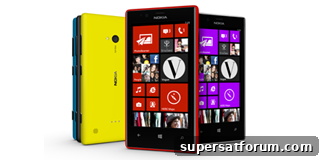
Not everyone welcomed Microsoft’s acquisition of Nokia. The deal effectively marked the end of an iconic brand that, only a few years earlier, led the smartphone market. Many observers attribute Nokia’s decline to the limited success of the Windows Phone platform.
There has been widespread speculation about whether Nokia would have fared better on the Android platform — I believe it would have.
Nokia resisted following the crowd because it did not want to end up like HTC: producing outstanding devices but remaining overshadowed by Samsung. The company placed its bet on Windows Phone with the aim of regaining a leadership position. Instead, Microsoft’s operating system itself remained in the shadow of iOS and Android.
Although the Nokia brand for phones largely disappeared, much of the company’s talent was absorbed by Microsoft — but not all of it.
On the day the $7.2 billion Microsoft-Nokia deal was announced, a new company called Newkia was formed. Its aim is to recruit former Nokia engineers and designers and to bring the acclaimed hardware heritage of the Finnish manufacturer to Android.
The company was founded by Thomas Zilliacus, executive chairman and founder of Mobile FutureWorks, who spent 15 years at Nokia. His background gives weight to his perspective. Speaking to ZDNet, he criticized Nokia’s direction under CEO Stephen Elop, calling the decision to embrace Windows Phone “a complete failure” of strategy.
Zilliacus revealed that he had wanted to buy Nokia a year earlier but lacked the necessary funds. “We set up Newkia literally the day Nokia sold its phone business to Microsoft. It was the day Nokia died in Finland, and the new Nokia was born in Newkia. I know Nokia employees who are keen to develop for Android and maybe would like to join us,” he said.
Whether Newkia, leveraging ex-Nokia talent, can achieve success on Android remains to be seen, but the possibility is strong. Nokia’s Lumia line produced some of the most admired hardware of its era, particularly in camera technology. That reputation could translate well to Android devices if Newkia can assemble the right team and secure the necessary resources.
Ultimately, the situation raises two compelling questions: what might have happened if Nokia had chosen Android instead of Windows Phone, and can Newkia revive the distinctive strengths of Nokia on a new platform?