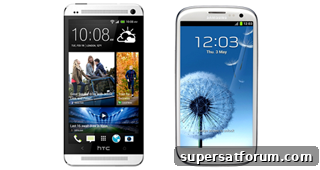
According to the latest IDC market research, HTC has overtaken longtime rival Samsung to become the fifth-largest smartphone maker in Japan.
This represents a significant achievement for HTC. Although reviewers frequently praise HTC handsets — sometimes rating them above competitors, including Samsung — the company has typically struggled to match the marketing reach and carrier partnerships of larger rivals.
HTC’s recent global flagship, the One, earned wide acclaim. Reviewers highlighted its sturdy, industrial aluminum design, innovative camera technology that performs well in low light, and front-facing stereo speakers that deliver superior audio. Despite strong reviews, the One is not the model primarily credited with HTC’s Japanese gains.
Instead, the Japan-exclusive J Butterfly, sold through carrier KDDI Corp., resonated most with local consumers. The J Butterfly shares the One’s striking 1080p Super LCD 3 display (440 ppi) and pairs it with a slightly lower-clocked but still fast 1.5 GHz quad-core processor. This combination of a high-resolution screen and competitive performance helped the device stand out in the market.
The J Butterfly helped push HTC’s market share in Japan to 6.6 percent. While this remains far behind Apple’s dominant position at 39.6 percent market share, the increase signals a positive turnaround for HTC after a challenging period.
HTC has faced sustained pressure from better-funded industry leaders, which limits its advertising reach and makes carrier relationships harder to secure. These external pressures have been compounded by internal difficulties reported in recent years, including production and stock issues, disappointing sales of the HTC First (the Facebook phone), and reports of organizational challenges.
Still, the J Butterfly’s success suggests HTC can find pockets of regional strength by offering devices that match or exceed competitors on design, display quality, and user experience. Focused carrier partnerships and Japan-specific models appear to be part of a viable strategy to regain influence in key markets.
Looking ahead, HTC’s prospects will depend on sustaining product quality while improving supply chain reliability, marketing effectiveness, and carrier relationships. If the company can build on recent gains without repeating past execution problems, it stands a better chance of reclaiming a stronger position globally and in other local markets.
What do you think of HTC’s recent efforts, its current standing in the market, and the company’s future prospects?