Nokia will continue to offer flexible working options for its employees after a company-wide survey confirmed strong support for hybrid arrangements.
Flexible work was already gaining momentum before the COVID-19 pandemic as people sought to reduce commute time and costs, lower stress, and make it feasible to live farther from city centers where housing and rent prices are high. Flexible schedules also help employees balance responsibilities like childcare. For businesses, hybrid models can reduce the need for large office space and limit the impact of localized connectivity problems. From an environmental perspective, remote and hybrid work reduce carbon emissions and road congestion.
Pekka Lundmark, President and CEO of Nokia, said:
“The pandemic forced organisations to change. Technology gave people the tools to innovate. In many cases, the results have been too good to go back to the old way of doing things.”
While the worst of the COVID-19 pandemic may be behind us, new variants and future public-health crises remain possibilities. Companies that retain the innovations and flexibility developed during the pandemic will be better positioned to respond quickly to change than those that revert to old routines.
Based on feedback from about 26,000 employees, Nokia will maintain a minimum of three remote working days per week, expand support for flexible hours, and continue to offer fully virtual roles where appropriate.
Lundmark added:
“While flexibility and respect have always been at the heart of Nokia, we want to give all our people even greater choice and flexibility over their work, so we are accelerating our transition to become a fully hybrid global workplace. Some people will choose to work more from home, others will choose mainly to work in offices redesigned to offer more collaborative spaces, and in other places we will secure the right facilities as and when required.”
Most of Nokia’s staff worked remotely during the pandemic and are expected to continue doing so at least through the end of 2021. In the company’s survey, 91 percent of respondents said their productivity was maintained or improved while working from home.
By the end of 2021, Nokia plans to introduce a smart office solution that enables employees to book workspaces and amenities. The company will also provide toolkits and guidance for people managers and teams to build more flexible and sustainable working models.
Improved connectivity—delivered by technology providers including Nokia—has kept colleagues connected and often allowed collaboration to match or exceed pre-pandemic levels. Returning to purely traditional ways of working offers few advantages and can harm employee morale.
Companies that have permanently adopted hybrid and flexible practices are likely better prepared for future challenges. With this announcement, Nokia positions itself among the organizations embracing a forward-looking approach to work.
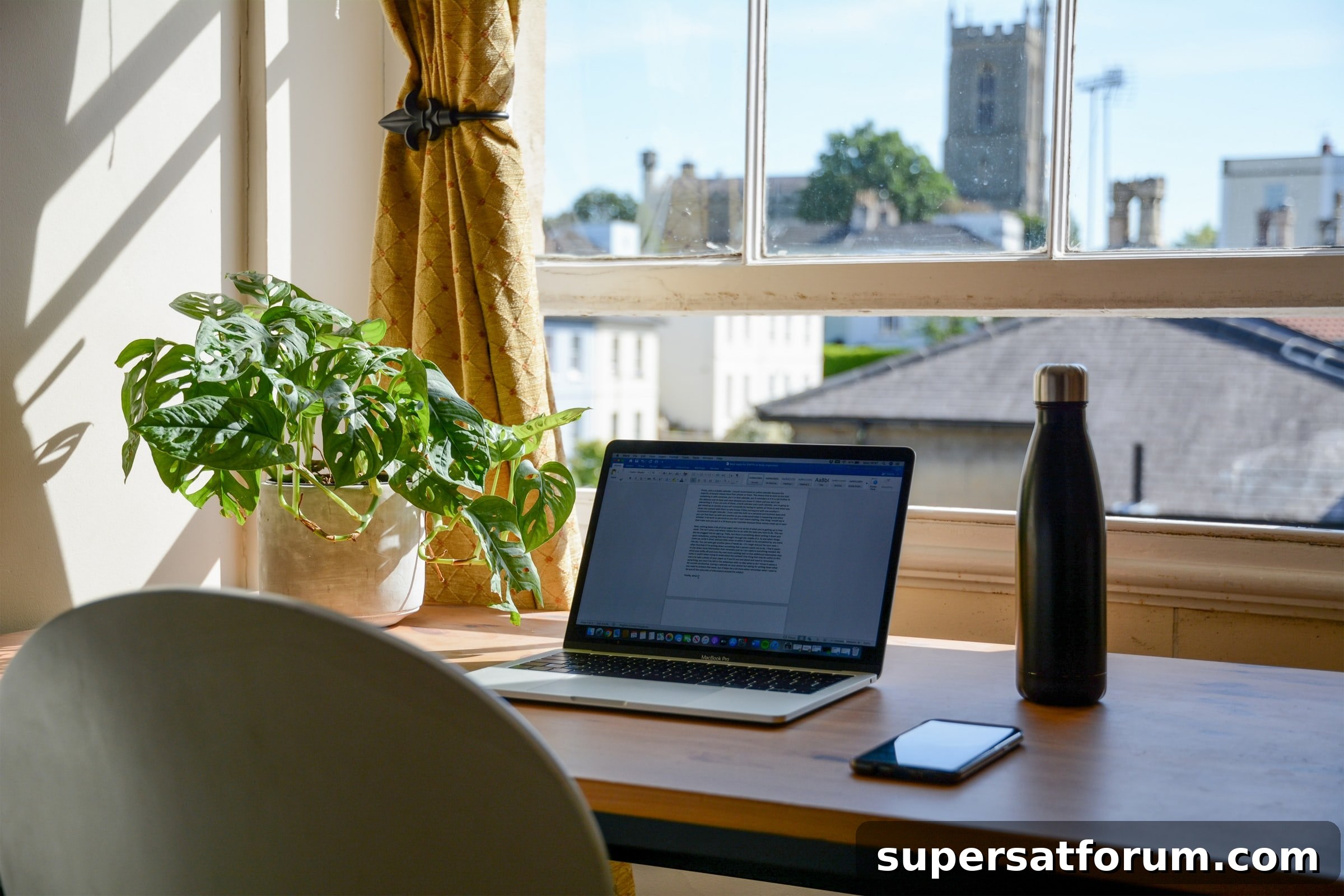
(Photo by Mikey Harris on Unsplash)
Find out more about Digital Transformation Week North America, taking place on November 9–10, 2021, a virtual event exploring advanced digital transformation strategies for a ‘digital everything’ world.