Large parts of Asia and the Middle East experienced slower internet speeds after several undersea cables in the Red Sea were cut, telecom providers and monitoring groups said. The precise cause of the disruption remains unclear, but the impact was widespread, affecting millions of users across the region.
Submarine cables lie along the ocean floor and carry the vast majority of international internet traffic. While satellites and terrestrial fibre networks contribute to global connectivity, most cross-border data — from video calls to cloud services — flows through these undersea links that connect continents and countries.
When a single cable is damaged, internet operators typically reroute traffic through alternate paths. Rerouting can maintain connectivity but often increases latency and reduces available bandwidth. The consequences grow larger when multiple cables are damaged simultaneously, leaving fewer routes and producing noticeably slower or less reliable service for everyday users.
Service problems with Red Sea internet cables
Microsoft posted on its status page that traffic through the Middle East “may experience increased latency due to undersea fibre cuts in the Red Sea.” The company said traffic outside the region was not affected but did not specify what caused the damage.
NetBlocks, an organisation that monitors global internet access, reported outages across several countries. India and Pakistan were among the affected nations, with NetBlocks identifying failures on two systems: SEA-ME-WE 4 (SMW4) and India-Middle East-Western Europe (IMEWE), both of which run near Jeddah in Saudi Arabia.
Pakistan Telecommunication Company confirmed cuts to submarine cables and warned customers that peak usage periods could produce noticeable slowdowns. Kuwaiti authorities said the FALCON GCX cable had been severed, causing service issues there. In the United Arab Emirates, customers on state-linked Du and Etisalat networks reported slower internet, although officials did not issue public statements.
Tata Communications, part of India’s Tata Group, operates the SMW4 system. The IMEWE cable is overseen by a consortium that includes Alcatel Submarine Networks. GCX manages the FALCON cable. Representatives for these operators did not provide comment when contacted, and Saudi authorities likewise did not publicly acknowledge the disruption.
How undersea cables disrupt internet service
Undersea cables can be damaged in multiple ways. Anchors dropped by vessels in busy shipping lanes are a common accidental cause. Natural events such as earthquakes have also damaged cables in the past. In regions with heightened geopolitical tensions, deliberate sabotage is a possibility that cannot be ruled out without investigation.
Repairing submarine cables is time-consuming and technically complex. Cable-repair ships must travel to the break site, locate the damaged section on the seabed, recover it, and perform splicing or replacement. Once repaired, the cable is lowered back to the ocean floor. This process often takes days or weeks, forcing operators and users to rely on slower backup paths and degraded service while repairs proceed.
Wider context
This is not the first time the Red Sea has seen such incidents. In February 2024, multiple cables in the area were cut, interrupting traffic between Asia and Europe. That episode followed warnings from Yemen’s internationally recognised government that the Houthi movement — which has denied involvement — might attempt to sabotage undersea cables or target shipping in the region.
Comparable disruptions have occurred elsewhere. Since 2022, after Russia’s invasion of Ukraine, damage to subsea cables and pipelines in the Baltic Sea has raised suspicions of deliberate interference. Earlier this year, Swedish authorities detained a vessel suspected of cutting a cable to Latvia; prosecutors said initial evidence pointed to sabotage of communications infrastructure.
What it means for users
For people in affected countries, the primary experience is slower internet: longer page load times, increased buffering during video streaming, lag in cloud applications, and occasional disconnections. Large cloud platforms such as Microsoft Azure can often reroute workloads, but users and businesses may still see degraded performance until full repairs are completed.
These outages underline the vulnerability of the global internet’s physical infrastructure. Despite redundancy built into many networks, damage to a few key subsea links can ripple across regions and highlight how much governments, businesses and citizens rely on undersea cables to keep essential services and communications running.
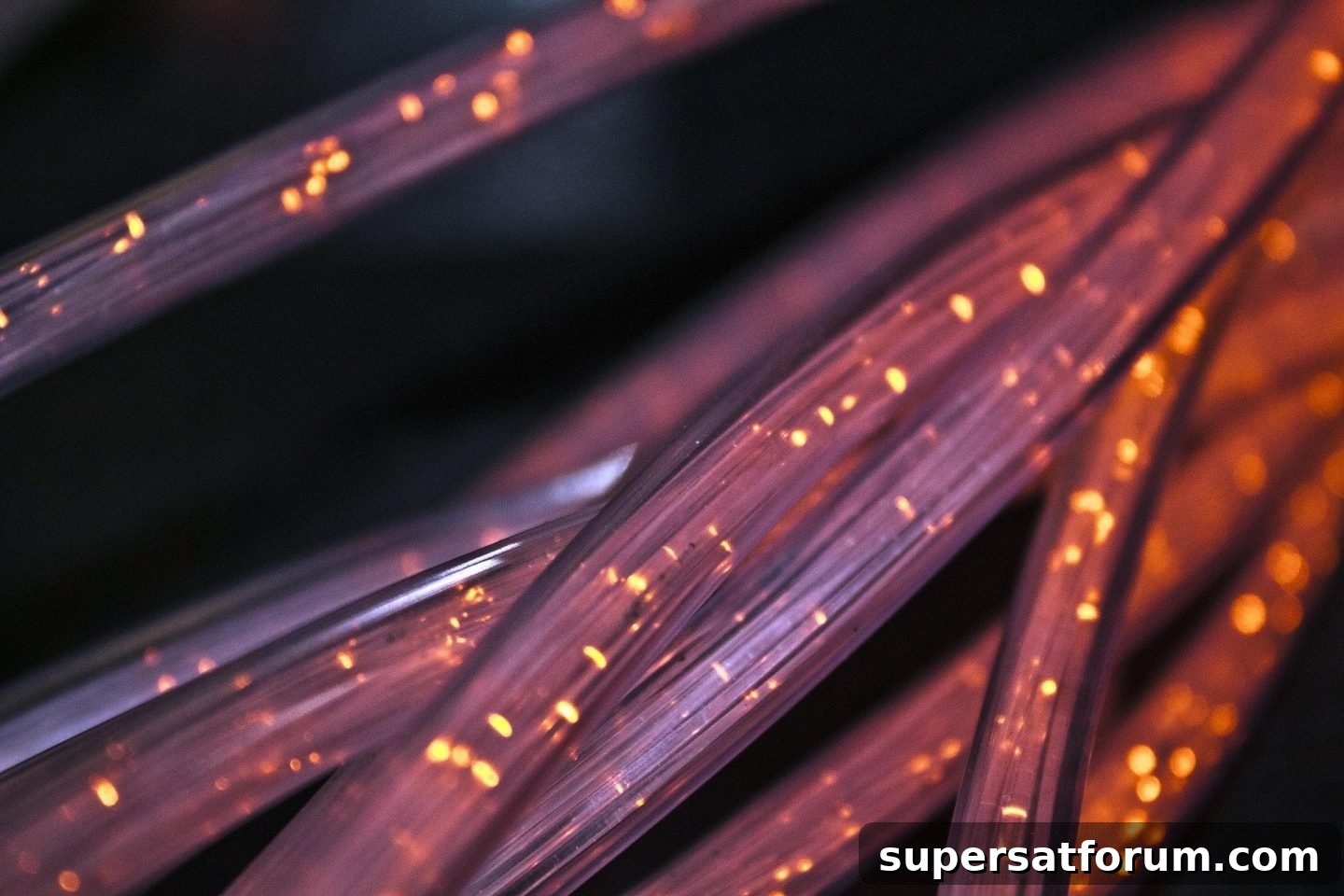
(Image by Lucent_Designs_dinoson20)
Want to discover how IoT is transforming telecoms and connectivity? Attend industry events like the IoT Tech Expo to learn how 5G, edge computing and Internet of Things innovations are shaping future networks and services. These conferences bring together experts and vendors to explore advances that help strengthen and diversify connectivity strategies.
Telecoms News is produced by TechForge Media. Explore additional enterprise technology events and webinars offered by the publisher.