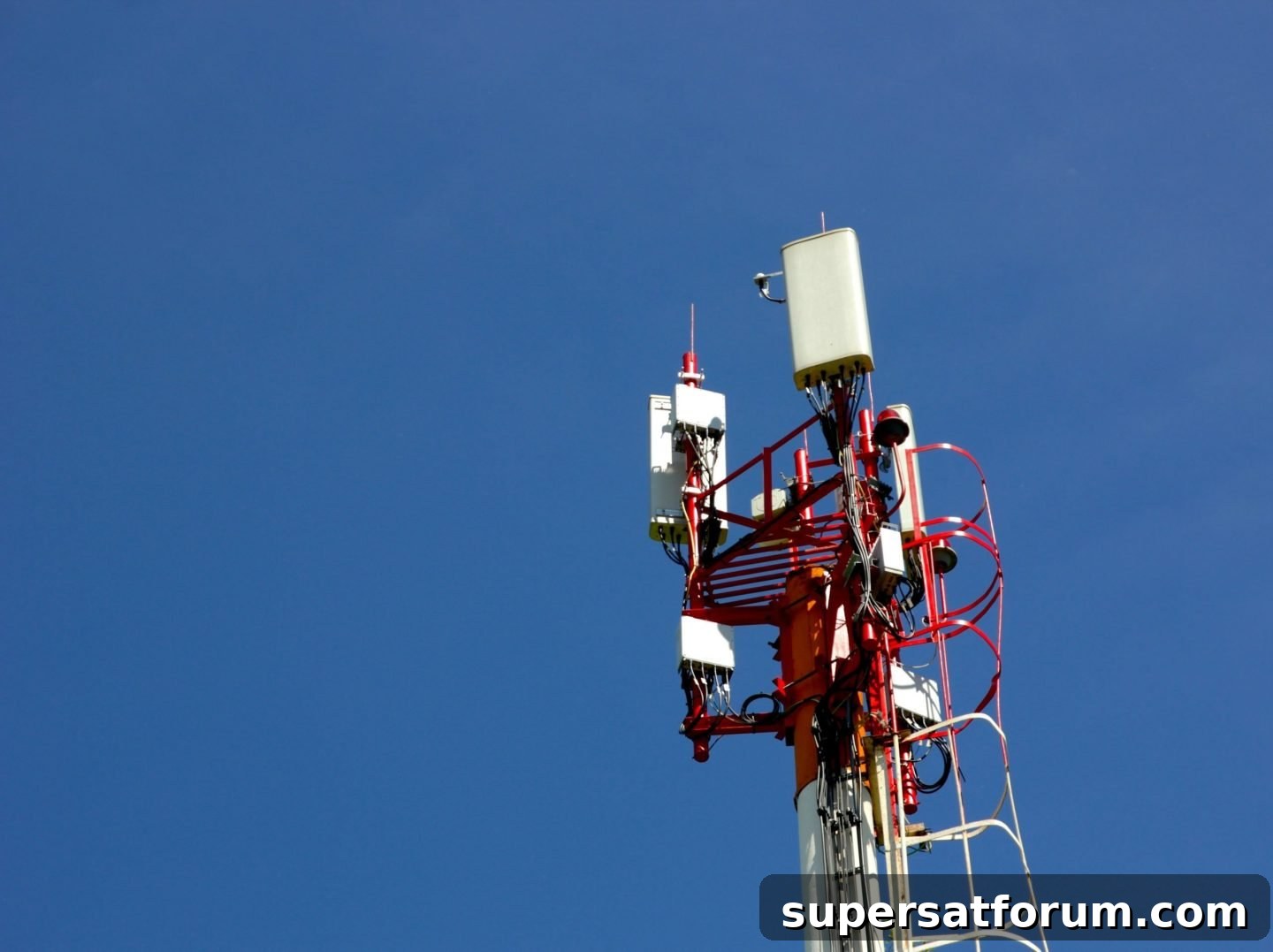
Vietnam has increased its use of 5G equipment from Chinese firms Huawei and ZTE this year, signaling a shift in how Hanoi collaborates with Beijing. Seven people familiar with the matter told Reuters that these new contracts have already prompted concern among Western officials.
Historically, Vietnam was cautious about using Chinese technology in sensitive networks. In recent months, however, it has grown more receptive to Chinese suppliers as relations with Beijing have stabilized. At the same time, ties with Washington have been strained following the introduction of new US tariffs on Vietnamese products.
Global vendors such as Ericsson, Nokia, and Qualcomm continue to supply core elements of Vietnam’s 5G infrastructure, but state-owned operators are increasingly showing interest in Huawei for some 5G deployments. Public procurement records, newly reviewed for this report, show Chinese companies winning smaller tenders with state-owned telecoms.
In April, a consortium that included Huawei secured a $23 million contract for 5G equipment, shortly after the White House announced fresh tariffs on Vietnamese goods. ZTE has won at least two antenna contracts worth over $20 million, the most recent signed last week. The first publicly confirmed contract involving a Chinese vendor appeared in September, a month after US tariffs took effect.
Reuters could not establish whether the timing of those wins was influenced by the tariffs, but Western officials have expressed alarm, viewing the developments through the lens of wider security concerns.
For years, US policymakers have treated the exclusion of Chinese firms from Vietnam’s digital infrastructure — including undersea cables — as an important factor in bilateral cooperation on advanced technologies. Huawei and ZTE are barred from US telecom networks on national security grounds, and several European countries, including Sweden, have imposed similar limits.
Ericsson declined to comment on the involvement of Chinese suppliers, saying only that it is “fully committed to support its customers in Vietnam.”
Requests for comment to Huawei, ZTE, Nokia, Qualcomm, the US and Chinese embassies in Vietnam, Sweden’s foreign ministry, and Vietnam’s Ministry of Information and Communications received no responses.
Shifting ties between Hanoi and Beijing
Vietnam, which maintains strategic independence and avoids formal alliances, has become an arena of competition between major powers. Its geographic position and manufacturing capacity make it a critical production hub for companies such as Apple, Samsung, and Nike, all of which rely on both Chinese components and Western markets.
Nguyen Hung, a supply chain specialist at RMIT University Vietnam, said the country long adopted “a wait-and-see approach” to Chinese technology under pressure from Western partners. He added that “Vietnam has its own priorities,” and the recent contracts may draw the economy even closer to China.
The two governments have also advanced other projects once viewed as sensitive, including proposals for cross-border rail links and special economic zones near the Chinese border—initiatives Hanoi previously resisted over security concerns.
Tender records indicate Huawei lost several 5G bids in Vietnam this year, yet the company has continued to provide technical services. In June it signed a 5G technology transfer agreement with Viettel, the military-owned telecom operator, according to Vietnam’s defence ministry.
Viettel did not respond to requests for comment. A source at the company said cost was the primary reason for choosing Chinese technology. All sources in this article requested anonymity because the information is not public.
Concerns raised in Western meetings
Diplomats told Reuters that senior Western officials in Hanoi have raised concerns about the Chinese contracts in at least two recent discussions. In one meeting, a US official warned that reliance on Chinese suppliers could erode trust in Vietnam’s networks and limit access to advanced US technology.
Another meeting this month examined whether parts of the network that use Chinese equipment could be isolated from critical systems to reduce the risk of data exposure, one source said.
Telecommunications lawyer Innocenzo Genna cautioned that companies supplying antennas and related hardware might still have technical means to access network data. He added that “Western contractors may face the awkward prospect of working alongside firms they do not trust.”
(Photo by Dena Skulskaya)
See also: Shanghai stadium reveals Huawei’s 5G-A monetisation blueprint for carriers
Interested in how IoT is transforming telecoms and connectivity? Attend the IoT Tech Expo in Amsterdam, California, and London to explore innovations in 5G, edge computing, and IoT that are shaping future networks and services.
Telecoms News is produced by TechForge Media. Discover other upcoming enterprise technology events and webinars through TechForge’s events pages.